


Tank Water Heater Repair
Tank Water Heater Repair in Lenox, MI
When a tank water heater runs lukewarm, leaks near its base, or stops heating, the cause should be confirmed before any part is replaced.
Our Repair Approach
A Tank Water Heater Contractor That Tests Before It Replaces
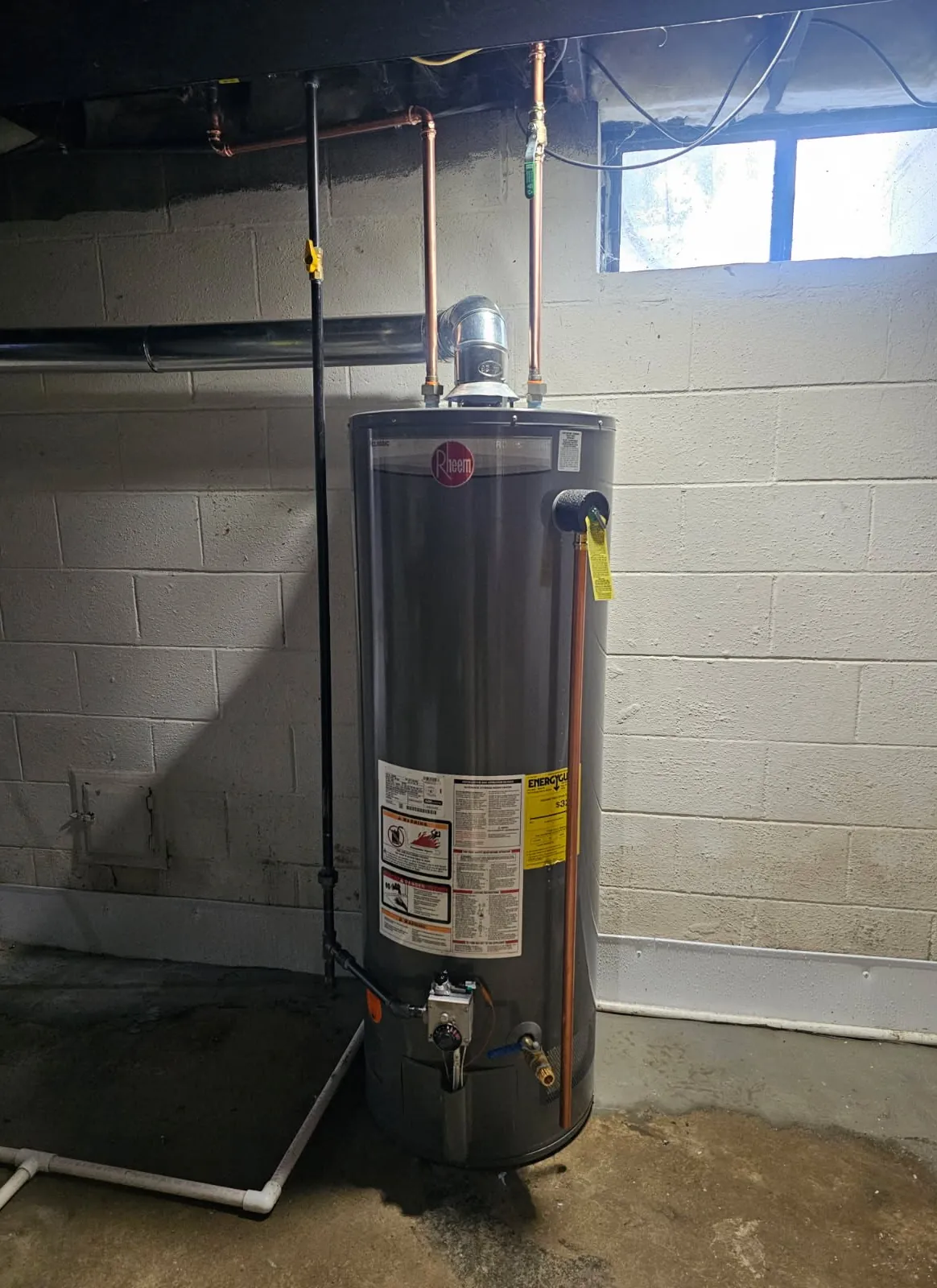
Degree Heating and Cooling is a locally owned and operated company in Lenox, Michigan, and our technicians repair Rheem tank water heaters for homes in Lenox and the communities around it. We check the fuel supply, the controls, the water connections, and the relief valve, then explain what we find in plain language.
Local Follow-Up After Every Repair
A tank stays in the home for years, and the people who diagnose it should be easy to reach afterward. Degree Heating and Cooling is locally owned and operated, and our technicians work in the communities we serve. If a question comes up after the visit, you know the team that tested your tank and can call them directly.
BBB Accredited Reference
We are BBB Accredited, which gives you an independent public reference before you approve any repair. Repairs on a water heater involve gas or electrical equipment, so checking a company's standing before you agree to work is a sensible step. You can read more about our background on our about page before you schedule a visit.
Rheem Tank Knowledge
We service Rheem tank water heaters, so we know how the controls, burner or elements, and drain valve on these units are meant to work. We read the model number on the tank label during the visit. If your tank is a different make, tell us when you reach out, and we will explain honestly whether we can support it.
Gas Supply Checked Alongside the Tank
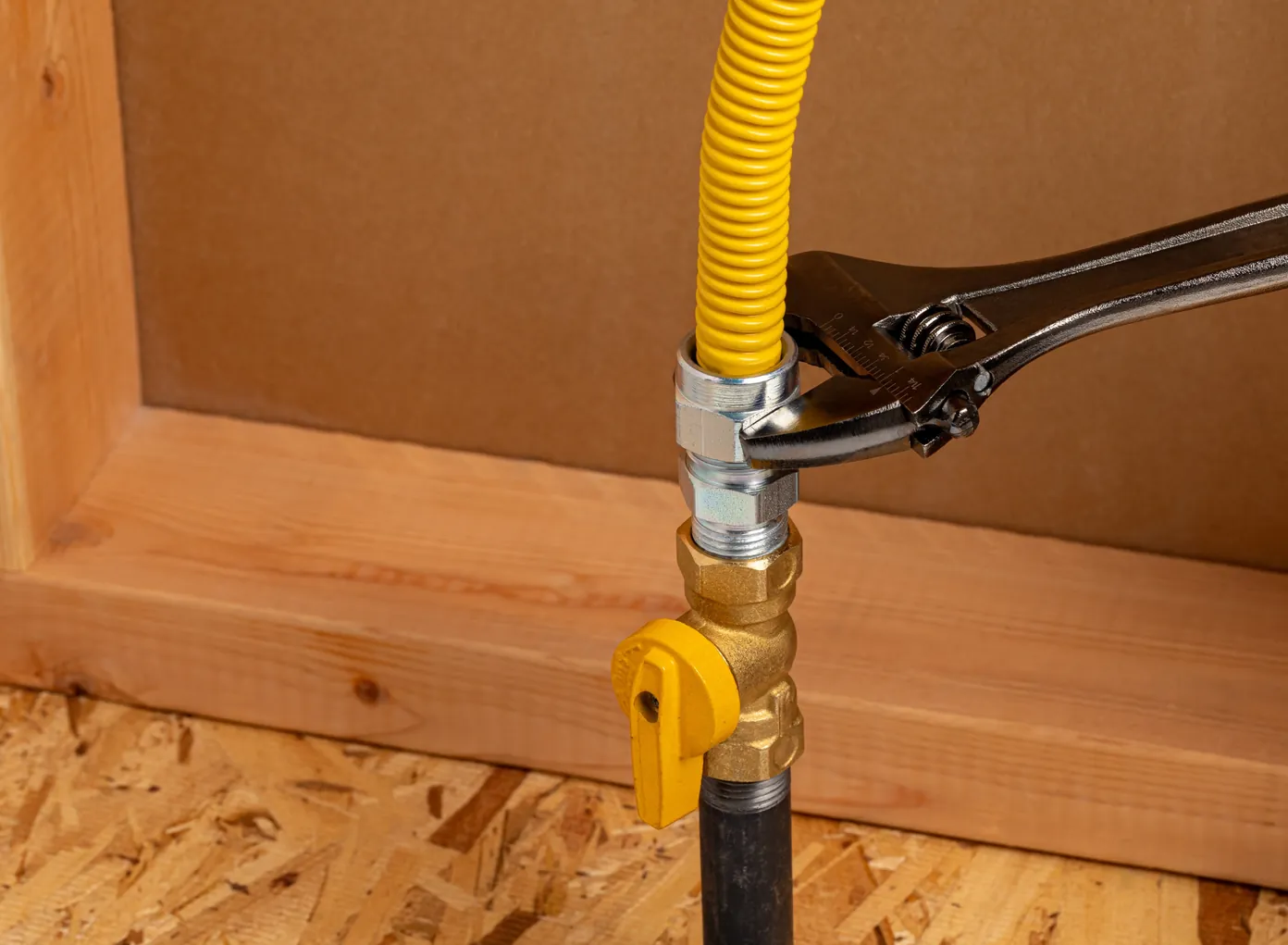
On a gas tank, the supply line matters as much as the burner. We measure the gas supply and check whether other appliances share the same line, because a weak supply can mimic a failed tank. When the line itself needs work, we explain the gas piping services we offer and what they involve.
Symptoms Read Together
A lukewarm tank can have several causes, and so can a leak or a burner that cycles off. We look at when the problem started, how much hot water is left, and what the tank does during a test. Each finding narrows the cause, so the repair targets the part that actually failed.
Honest Findings Before Any Work
We want you to understand the cause, the repair, and the alternatives before anything changes in your home. Send us your questions before you schedule, and we will answer them plainly. Honest, transparent service applies to every repair visit we schedule.
Request a Repair Visit
Tell Us What Your Tank Is Doing
Use the contact form to describe what your tank is doing, such as lukewarm water, rust-colored hot water, a leak near the base, or a burner that shuts off. Note whether the problem appears every day or only during long showers or laundry days. Our technicians come to your home for the visit, so there is nothing you need to bring to us. If you are weighing a repair against a new unit, compare our tank water heater installation options, read the tank water heater overview, or review our tankless water heater services for an on-demand alternative.
Signs of Trouble
Symptoms That Point to a Tank Repair
Lukewarm Water or Hot Water That Runs Out Early
When the tank delivers less hot water than it used to, or the water turns lukewarm after a short draw, a failed element or burner, a thermostat set too low, or sediment reducing the heated volume may be the cause. Each of these looks similar at the tap. We test the components involved before recommending a fix.
Rust-Colored or Discolored Hot Water
Water that looks rusty or cloudy when it comes from the hot side can point to corrosion inside the tank, the household pipes, or a fitting. Comparing the hot and cold lines at several fixtures helps us separate the tank from the plumbing. We inspect the tank and its connections before deciding where the problem starts.
Moisture or Leaks Around the Base
Water on the floor near the tank can come from a supply connection, the relief valve discharge line, a drain valve that is not fully closed, or a leak in the tank itself. The source decides the repair, so we trace the water before recommending any part. Keep a note of where the moisture appears and how often you notice it.
A Burner That Cycles Off or Fails to Light
On a gas tank, a burner that will not light or shuts off partway through heating can involve the gas valve, the ignition components, the supply pressure, or the venting path. We test the sequence during a live heating cycle rather than guessing from the symptom. Describe whether the burner lights and then goes out, or never lights at all.
Temperature Problems at the Tap
Water that stays cooler than the setting, or swings between hot and cold, can trace to the thermostat, a heating element, or a control that no longer responds. We compare the water temperature with the setting and check the controls before any component is changed. Note whether the change happens on every draw or only some of them.
Popping, Rumbling, or Banging Inside the Tank
Noises from a tank often come from sediment that has settled at the bottom and is heated beneath it, though a loose component or a failing element can also cause sound. We listen during operation, inspect the drain valve, and review the tank's condition. Describe when the sound happens and how long it lasts.
Repair Services
Tank Components We Repair
We cover the parts that most often affect how a tank heats, controls pressure, and holds water.
Thermostat and Temperature Control Repair
A drifting thermostat can leave water cooler than the setting or heat it unevenly. We test the control against the water temperature and replace it only when the readings call for it. Ask About Thermostat Testing.
Electric Heating Element Replacement
A failed element can cause lukewarm water and a shorter supply of hot water. We test each element and replace the failed one when the readings confirm it. Request an Element Check.
Gas Burner and Gas Valve Service
Burner faults and gas valve problems can stop a tank from lighting or heating fully. We test the valve sequence and burner response before recommending any change. Discuss Burner Concerns.
Pressure Relief Valve Replacement
A relief valve that drips or fails to seat needs attention, because it guards the tank against excess pressure. We inspect the valve and its discharge line, and we replace the valve when testing shows it has failed. Schedule a Relief Valve Review.
Drain Valve Repair
A drain valve that leaks, sticks, or will not close fully can add moisture around the base. We check its operation and repair or replace it as the findings require. Book a Drain Valve Check.
Supply Line and Fitting Repair
Worn connections at the cold inlet or hot outlet can seep or restrict flow. We inspect each fitting and repair or replace the parts that show wear. Describe Your Connection Concerns.
Tank Leak Investigation
Water coming from the tank itself calls for a careful inspection before any decision. We trace the source, explain what we find, and discuss whether repair or replacement fits your home. Request a Leak Inspection.
Sediment and Corrosion Assessment
Sediment and corrosion can reduce heated volume and cause noise, and they shape what repair is possible. We assess their condition during the visit and explain how they affect the unit. Ask About a Sediment Review.
Related Services
Other Systems We Service Around Your Tank
A water heater shares the home's gas, water, and comfort systems, so a few related services may be worth reviewing alongside your tank.
- Tankless water heater repairNavien tankless repairs for homes that want on-demand hot water.
- Central air conditioning repairDiagnosis and repair for central cooling systems, with tune-ups for the same equipment.
- Mobile and modular home water heatersWater heating service designed for the layouts found in mobile and modular homes.
- Whole-home generatorsGenerac backup power, including gas line connection and installation.
- Indoor air qualityFiltration, humidity control, and ventilation options for a healthier home.
How We Diagnose
The Order We Follow Before Any Tank Repair
A tank repair depends on checking the fuel, controls, and water connections in a set order. Each stage narrows the cause before any part is considered, and the safety checks come first.
Start With the Symptoms and the Tank's History
Every visit begins with what you have noticed, because timing often points toward the fault.
- Note when the problem began and whether it happens on every draw or only some of them
- Identify the tank's fuel type, approximate age, and the Rheem model on its label when available
- Ask about recent work on the gas line, the water lines, or the electrical service
- Confirm which fixtures and appliances draw from the tank during a typical day
- Request your visit through the contact form so the technician arrives prepared
Check the Fuel Supply, Burner, and Elements
Fuel and power come first, so we confirm the tank has what it needs before testing its internal parts.
- On gas tanks, measure the supply pressure and check whether other appliances draw from the same line
- Review the gas line condition and recommend gas piping work when the supply needs it
- On electric tanks, confirm the electrical supply and the breaker serving the unit
- Test the burner or heating elements for correct operation and visible wear
- Check the gas valve or element sequence during a live heating cycle
Test the Thermostat, Relief Valve, and Drain Valve
The controls and safety valves decide whether the tank heats and releases pressure safely.
- Verify the thermostat setting against the water temperature at the tap
- Confirm the high-limit or safety switch responds as designed on electric models
- Inspect the pressure relief valve and its discharge line for leaks or blockage
- Open the drain valve briefly to check flow and look for sediment
- Note any signs of corrosion on the valve, the fittings, or the tank jacket
Explain the Fix and Get Your Approval First
We present the findings before any part is ordered or any repair begins.
- Describe what each finding means for the tank's operation and safety
- Explain each repair option, what it corrects, and what it will not address
- Replace only the components the readings confirm as failed
- Discuss whether a new tank makes more sense than repairing an aging unit, and explain why
- Begin work only after you have reviewed the plan and agreed to it
Verify the Repair and Document the Readings
The visit ends with measurements that show the tank is heating as it should.
- Run the tank through a full heating cycle and record the water temperature at the tap
- Confirm the burner or elements, the controls, and the safety valve respond correctly after the repair
- Provide a written summary of the findings, the work performed, and the readings taken
- Provide manufacturer warranty paperwork for any replaced part where the manufacturer offers it
- Review the drain valve and any sediment findings so you know what to watch for next
Common Questions
Tank Water Heater Repair Questions
Rust-colored hot water can come from corrosion inside the tank, from the household plumbing, or from a fitting on the hot side. We compare the hot and cold water at several fixtures to see which side carries the color. Once we know where the rust starts, we inspect the tank, its connections, and the lines before recommending a repair. You receive the findings in plain language before any part is changed.
A thermostat problem usually shows up as water that stays cooler than the setting, swings between hot and cold, or changes without any adjustment from you. We compare the water temperature at the tap with the setting and test the control during a heating cycle. Other parts can cause similar symptoms, so we rule out the elements or burner before replacing a thermostat.
In many cases, yes. A failed element can often be replaced on its own when the tank itself is sound, and we test each element before deciding. Electric tanks typically have an upper and a lower element, and both may need checking when hot water runs short. Whether a single element repair makes sense depends on the tank's condition, its sediment, and its age.
A burner that cycles off can trace to the gas valve, the ignition components, the supply pressure, or a venting problem that keeps the flame from burning correctly. Each cause produces a similar symptom, so we test the sequence during a live heating cycle. We measure the supply and check whether another appliance draws from the same line. Once we know the cause, we explain the repair and what it involves.
A relief valve that drips may be responding to excess pressure or temperature inside the tank, or it may be failing and need replacement. We inspect the valve, its discharge line, and the water pressure in the home before deciding. Please do not cap or plug the discharge pipe, because it carries water safely away from the tank. Tell us when the drip started and how often it happens.
After a power interruption, a tripped breaker, a control that has shut the unit down, or a safety switch that needs a reset can stop an electric tank from heating. We check the breaker, the controls, and the elements before replacing anything. If your furnace stopped as well, our furnace repair services cover that equipment too.
A gas tank needs a vent route that carries combustion gases out of the home, so a venting problem can affect how the burner runs. We inspect the vent route, its termination point, and the clearances the tank requires. Any venting change is explained and confirmed before work begins, and it is never assumed from the symptom alone.
Yes. We examine an older tank and tell you plainly whether a repair makes sense. Some aging units can be restored with a targeted repair, while others have a failing tank or several interacting faults that make replacement the better path. We explain what the readings show and what each option would involve, so you can decide with clear information. We never recommend replacement without a stated reason.
After the visit we provide a written summary of the findings, the readings we took, and the work performed. The summary records what was tested, what was repaired or replaced, and what we recommend watching for. Keep it with your home papers, because it helps us compare future readings if a problem returns. We go over the summary with you before we leave.
Where the manufacturer offers warranty coverage on a replacement part, we provide the manufacturer's paperwork with the visit. Coverage depends on the manufacturer's terms for that specific part, so we explain what applies before any work begins. We do not promise coverage that a manufacturer has not stated. Keep the paperwork with your home records so the terms are easy to find when you need them.
Our Services
Complete HVAC Services in Lenox and Nearby Communities
From the first warm day of summer to the coldest stretch of a Michigan winter, your home depends on equipment that works. As a full-service HVAC contractor, we install, repair, and maintain the systems that heat, cool, and supply hot water to homes across Lenox — plus the generators that keep everything running when the power goes out.
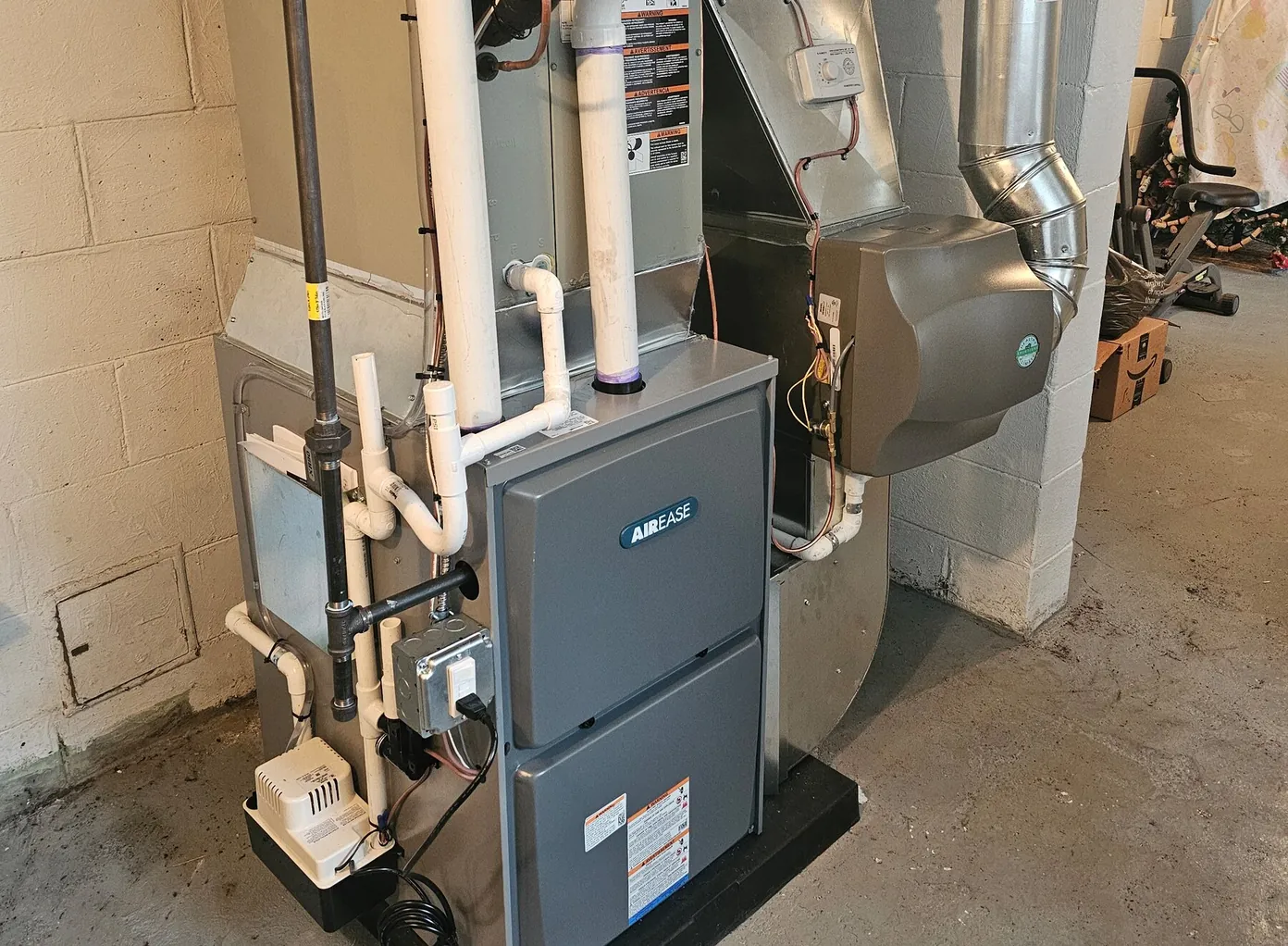
Furnace
Your furnace carries the load through every Michigan winter.
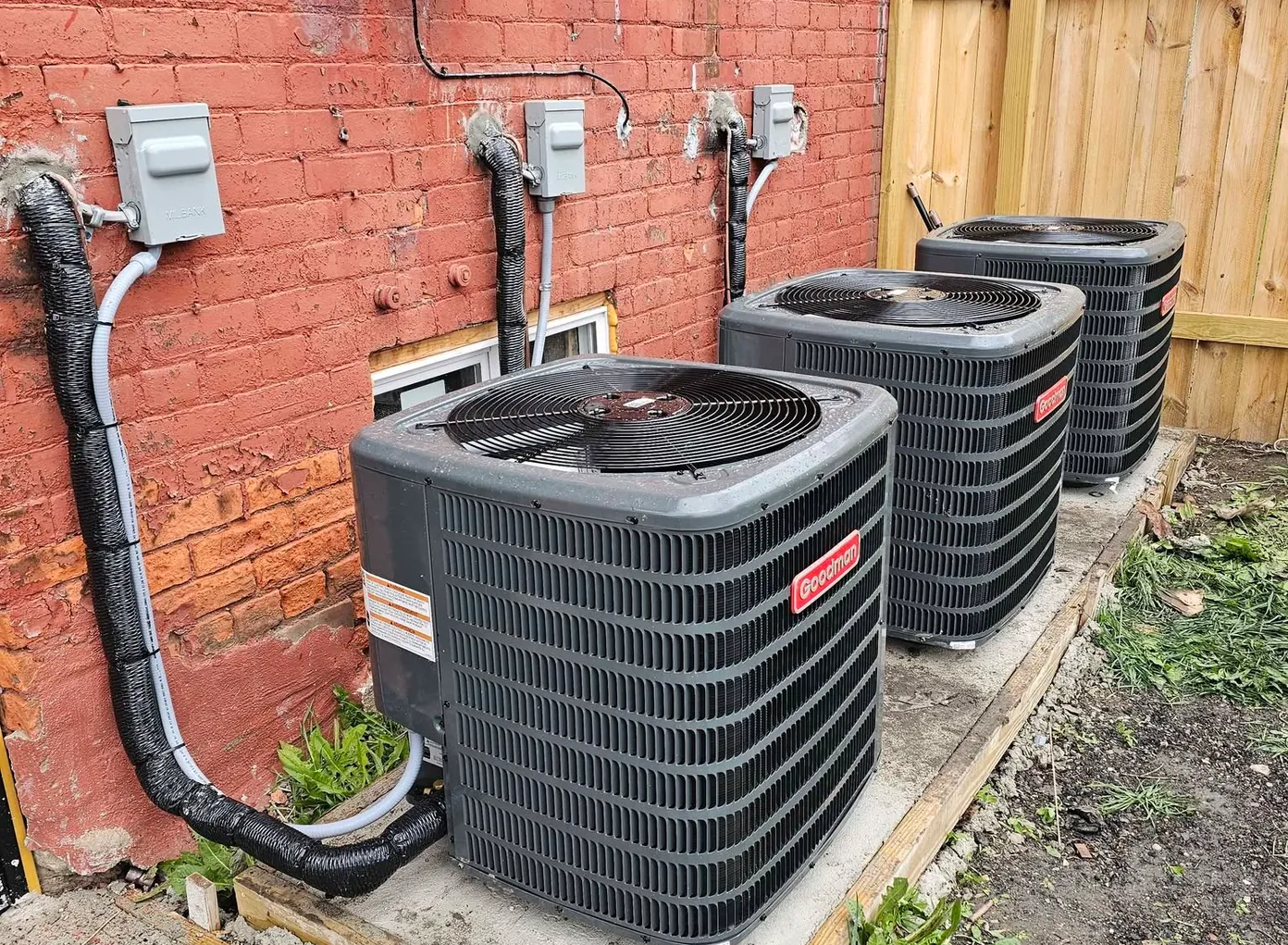
Heat Pump
A ducted heat pump heats and cools your home with one system.
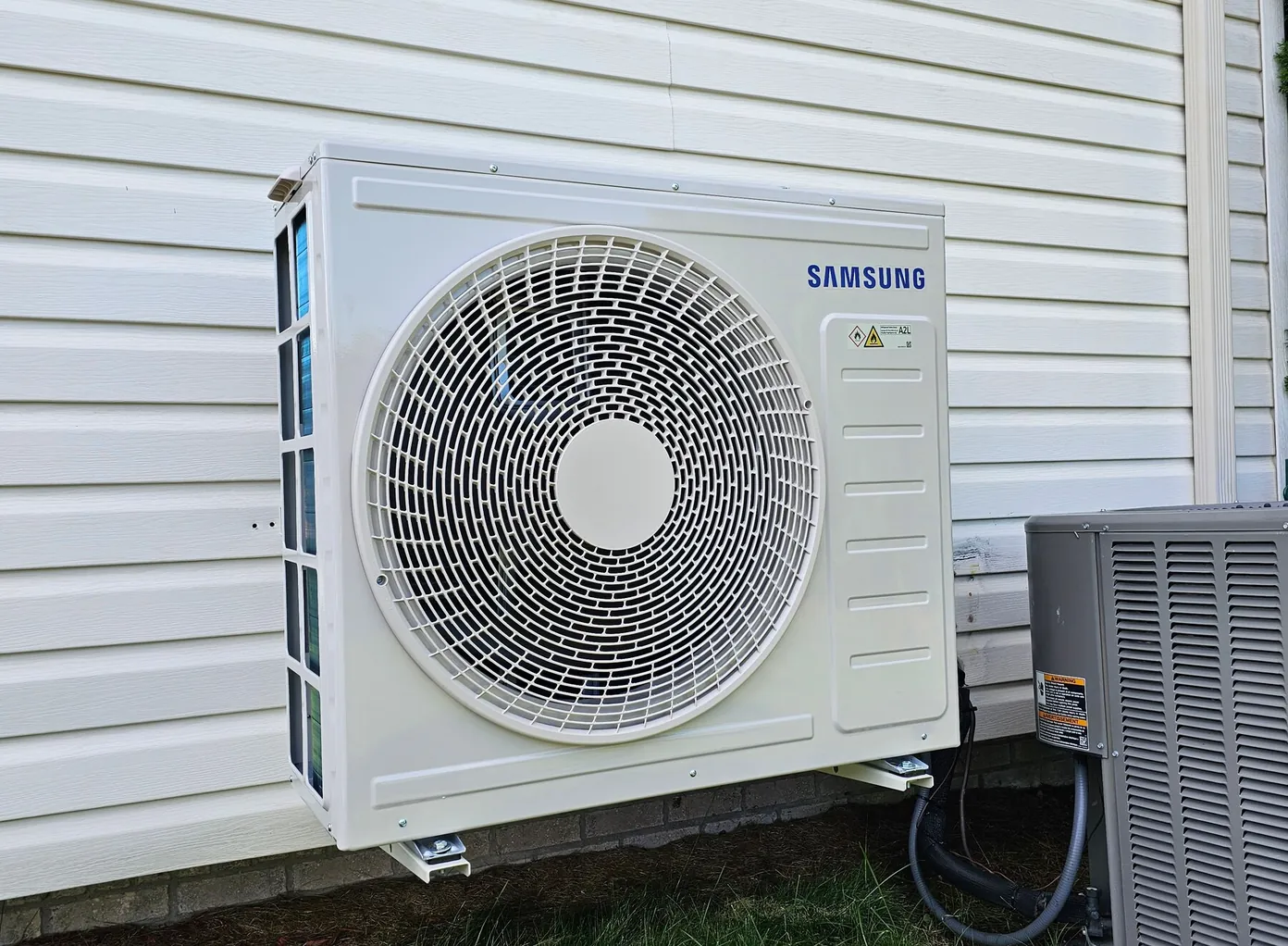
Mini-Split
Targeted comfort for additions and homes without ductwork.
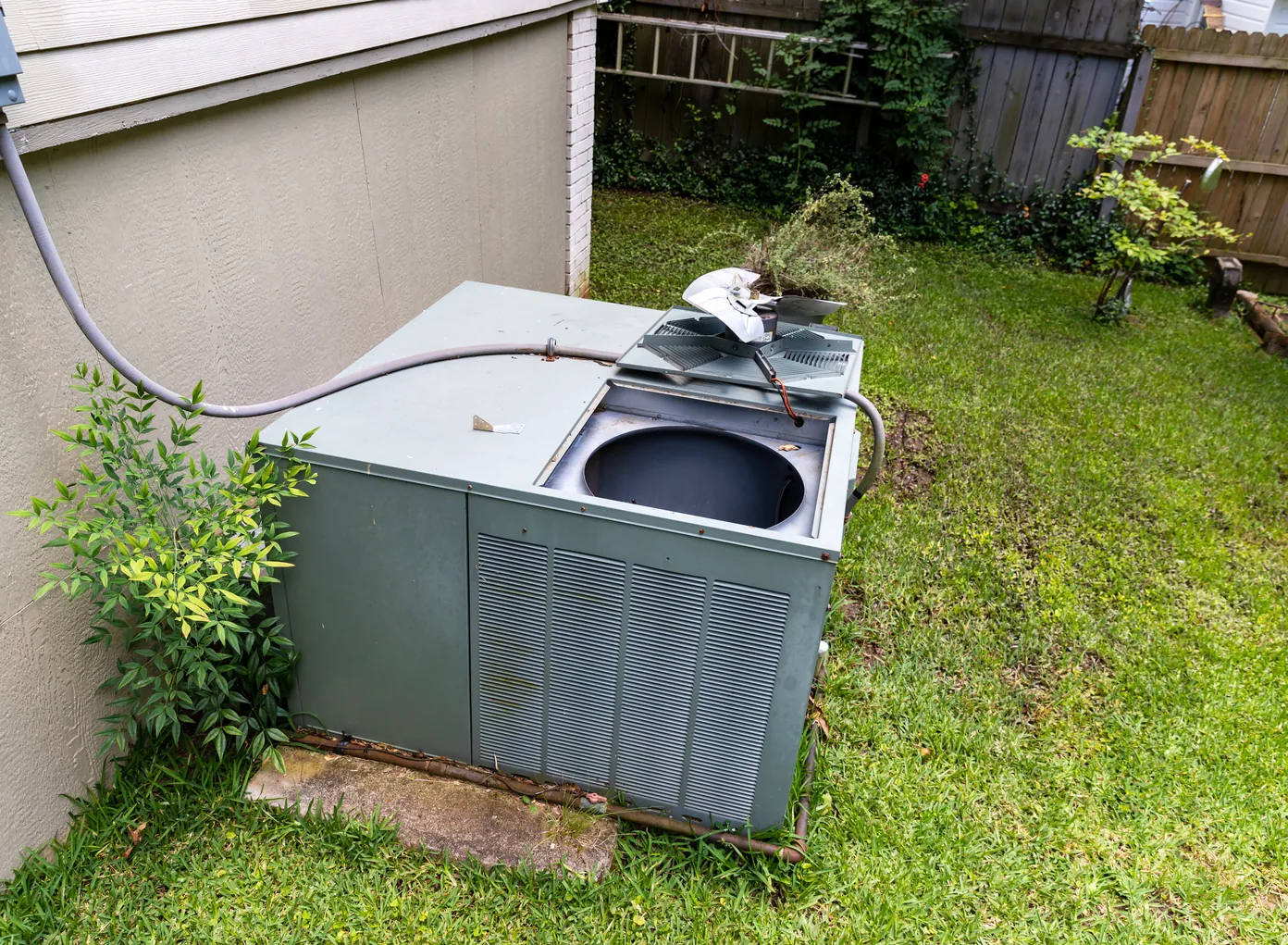
Package Residential
Heating and cooling in a single outdoor cabinet, saving indoor space.
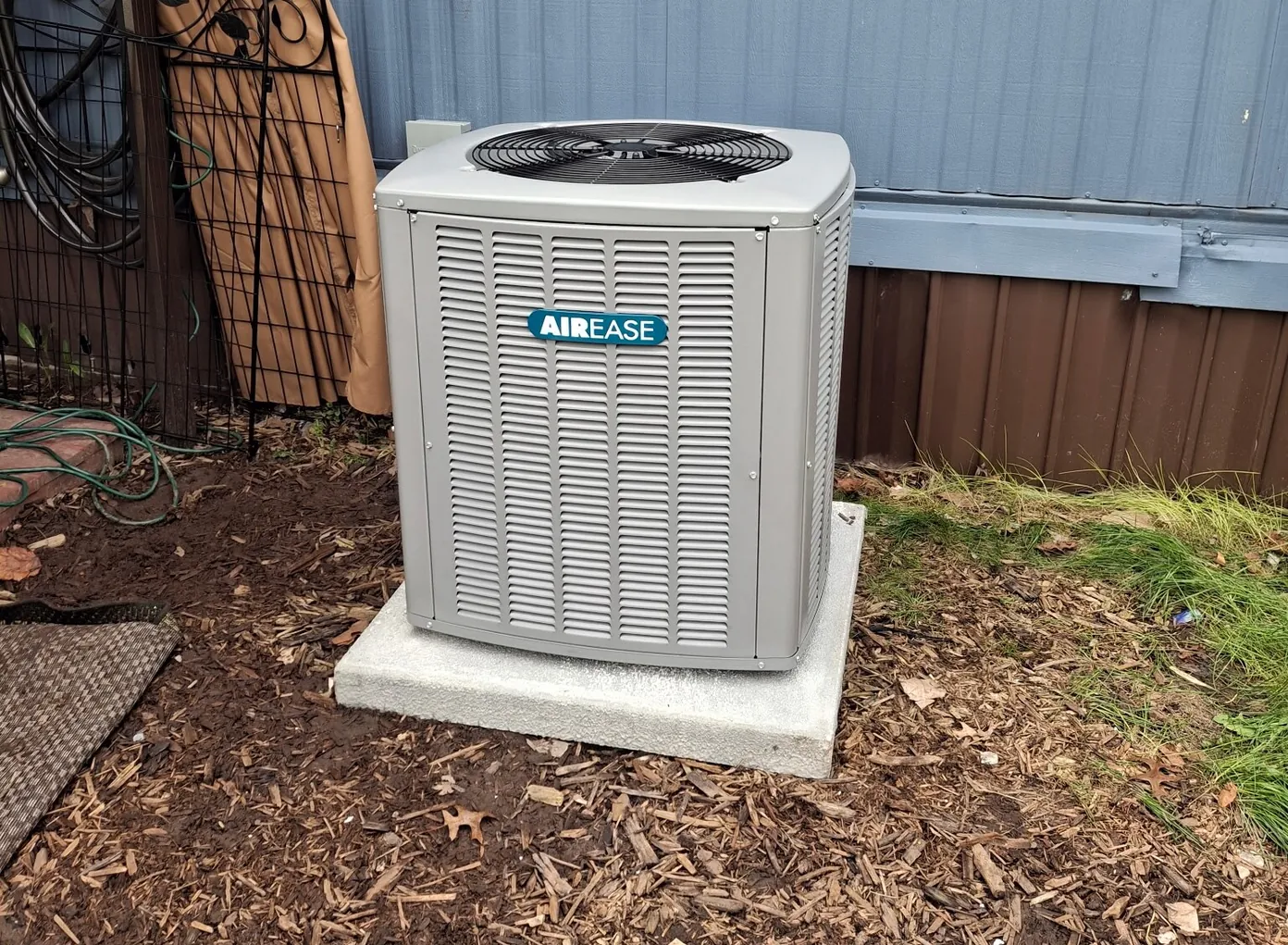
Mobile & Modular Homes
Heating, air conditioning, heat pumps, and water heating.
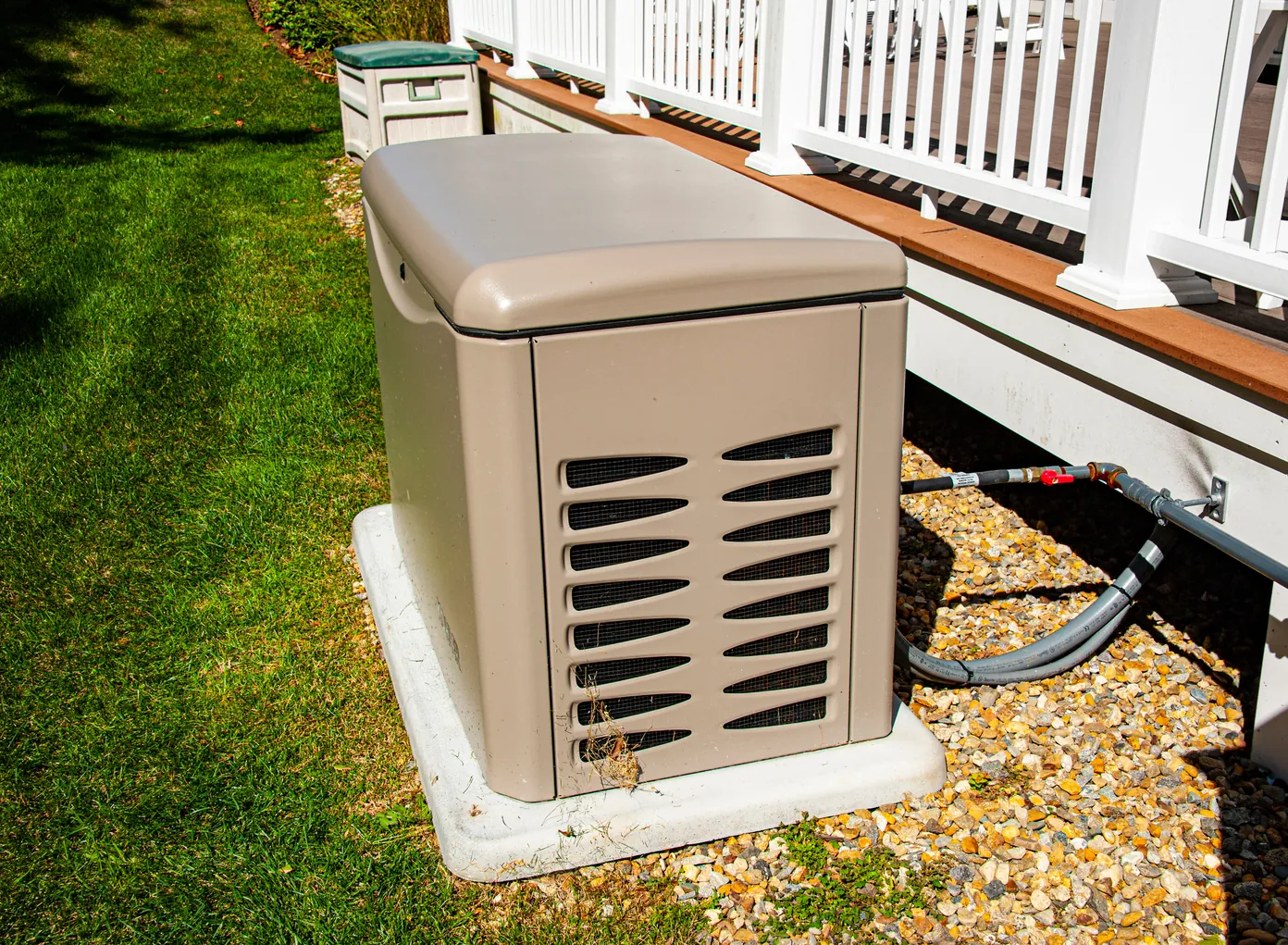
Whole-Home Generators
A Generac generator keeps your heat and lights running during an outage.
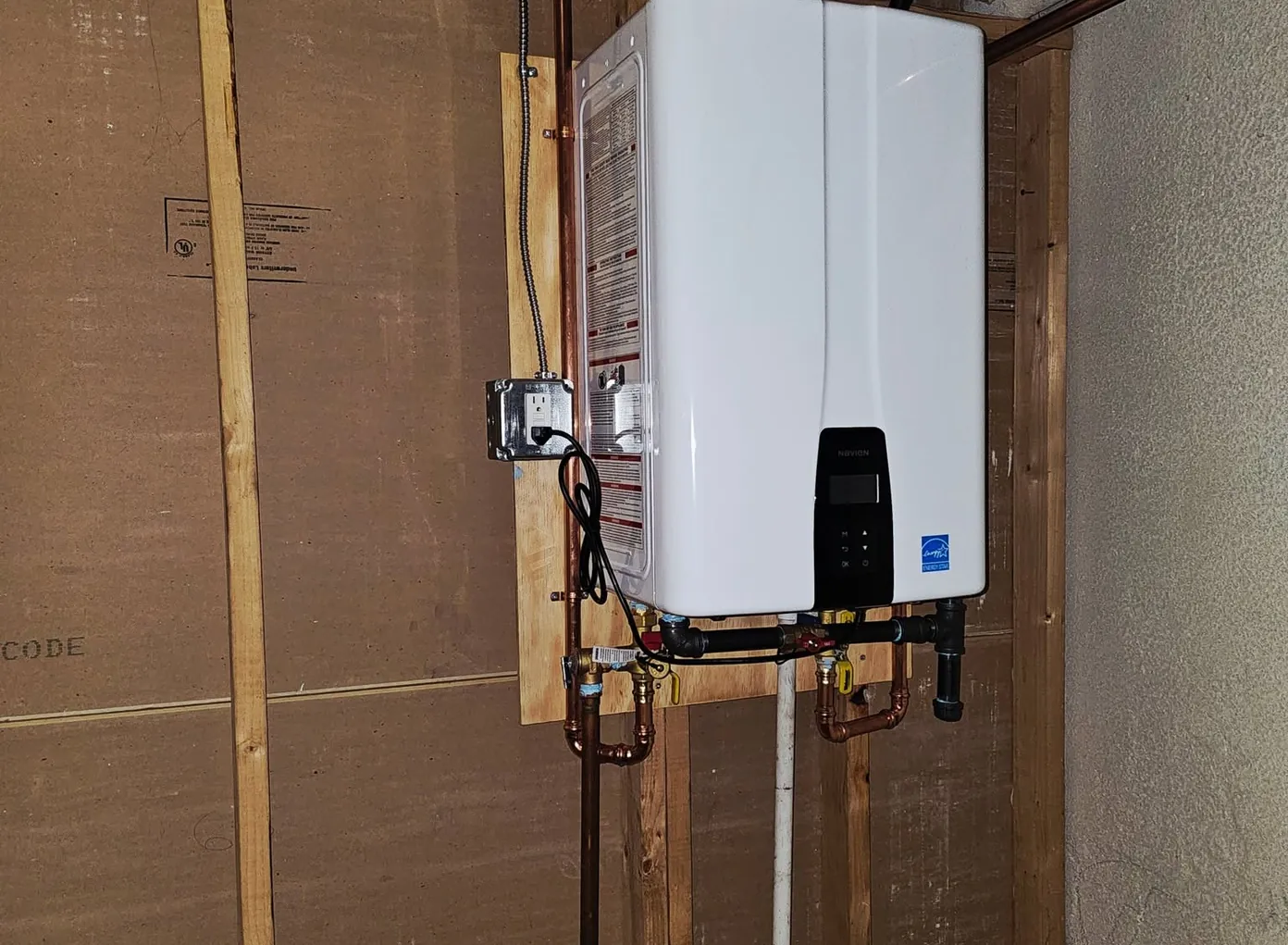
Tankless Water Heaters
Navien tankless water heaters that heat water on demand.
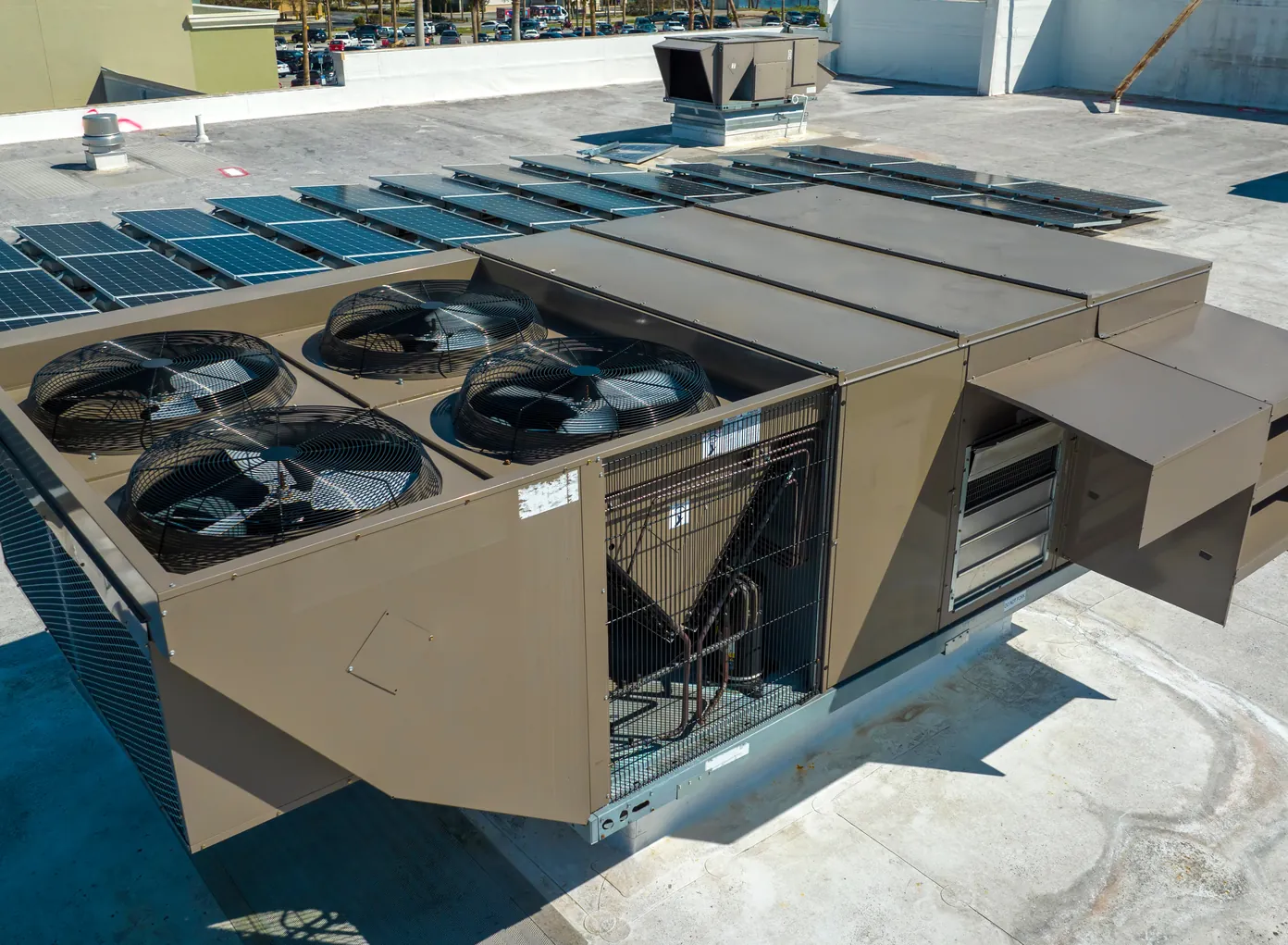
Rooftop Units
Light commercial HVAC service for rooftop units up to 25 tons.
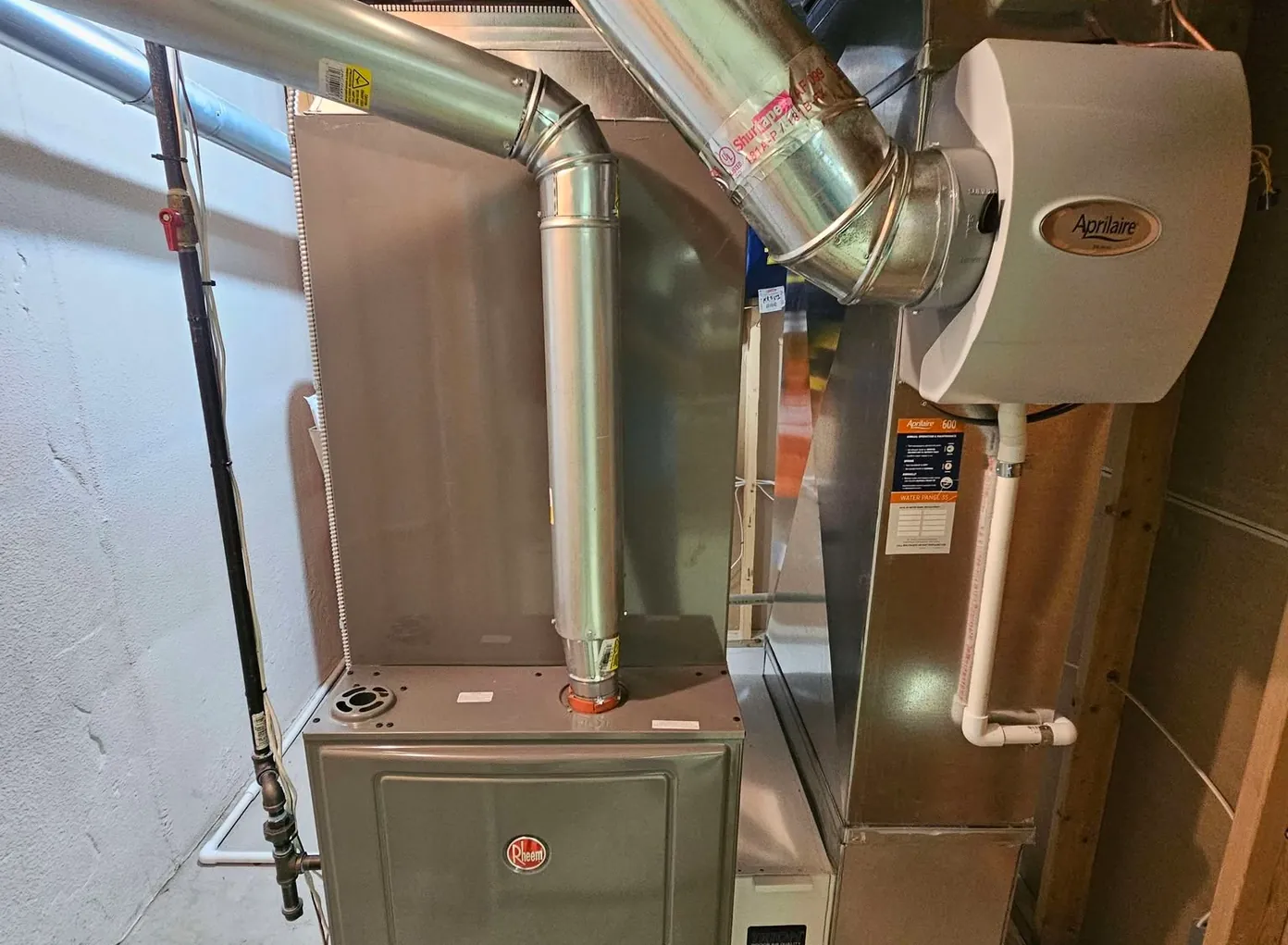
Indoor Air Quality
Filtration, air purification, ventilation, UV treatment, and humidity control.

Customer Reviews
Read Reviews on Google (opens in a new tab)What Our Customers Say
Our neighbors' feedback means everything to us. Read what homeowners across the area have to say about working with Degree Heating and Cooling.
Our Service Area
Tank Water Heater Repair Across Lenox and Nearby Towns
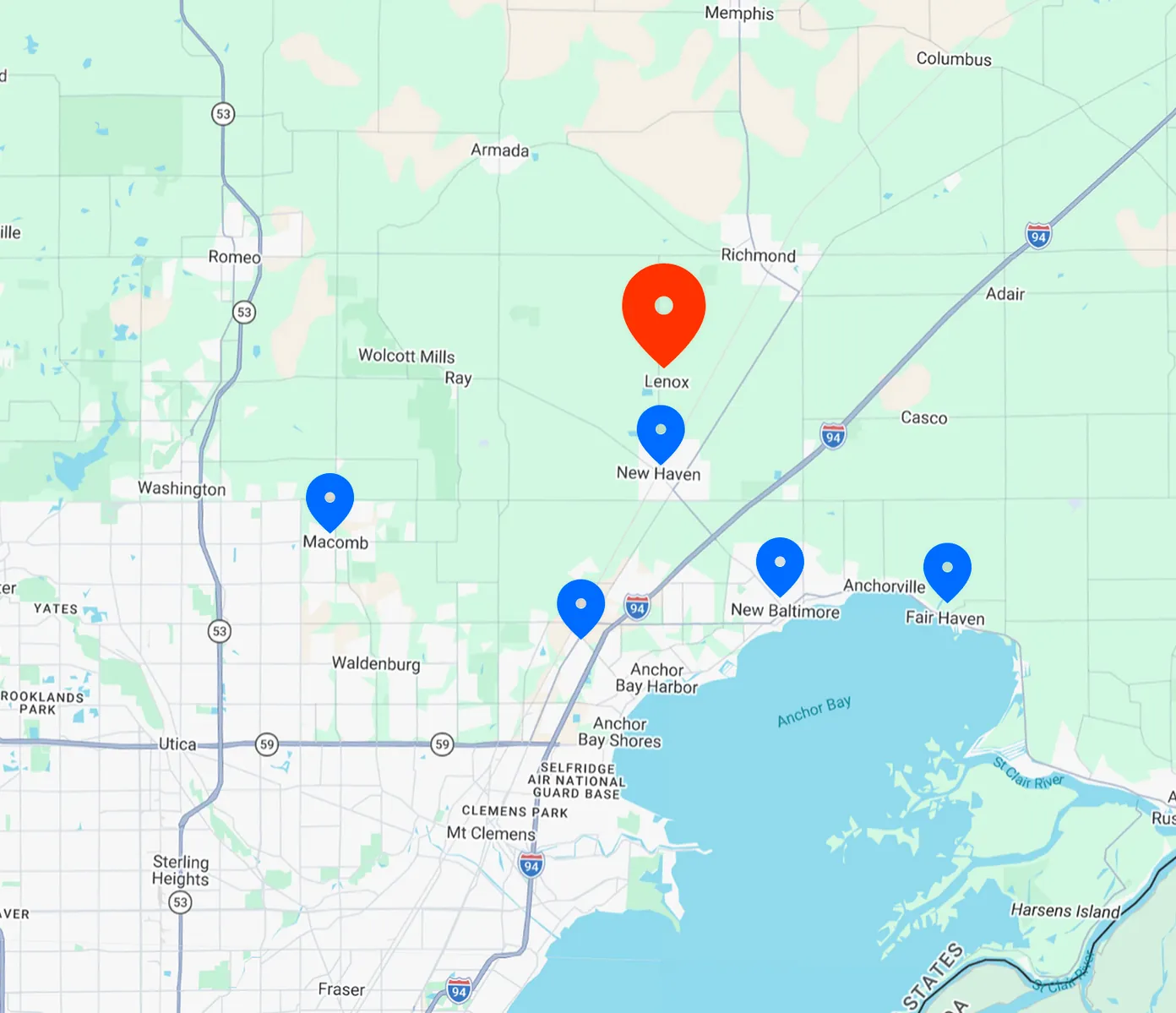
Lenox is our headquarters, and our technicians repair tank water heaters for homeowners in the towns below. Our service area overview explains how we cover the region, and each town has its own local page. If your community is not listed, contact our team to ask about coverage.
Don't See Your Location?
Don't see your town listed? We also help homeowners in neighboring communities around Lenox. Give us a call and we'll let you know if we can reach you.
- Honest, Transparent Service
- BBB Accredited
- Locally Owned & Operated
- AirEase & Samsung Systems
- Flexible HVAC Financing
Next Steps
Begin a Tank Repair Conversation With Our Lenox Company
A tank water heater works quietly in the background until it stops delivering hot water, so the choice of who examines it matters. We want you to understand the cause, the repair, and the alternatives before you approve any work. Our locally owned business and BBB Accreditation shape how we explain each finding, and we take the time to walk through the readings in plain language.
If the tank needs more than a repair, our financing options can help you plan a replacement over time with our partners, and each partner sets its own terms. For ongoing care across the systems in your home, review our maintenance plans and ask how they fit your household.
Tell us about your water heater, the symptoms you are seeing, and when they appear, and our team will confirm the next step with you. We serve Lenox and the communities around it, and nothing is scheduled until your questions have been answered. A clear picture of the problem helps us plan the visit well.