


Gas Line Work at Home
Gas Piping in Lenox, MI
Gas piping carries fuel from the supply connection to every appliance in your home, and each line has to be sized, routed, and connected correctly for the equipment it serves.
Why Work With Us
What Makes Our Gas Piping Company Different in Lenox
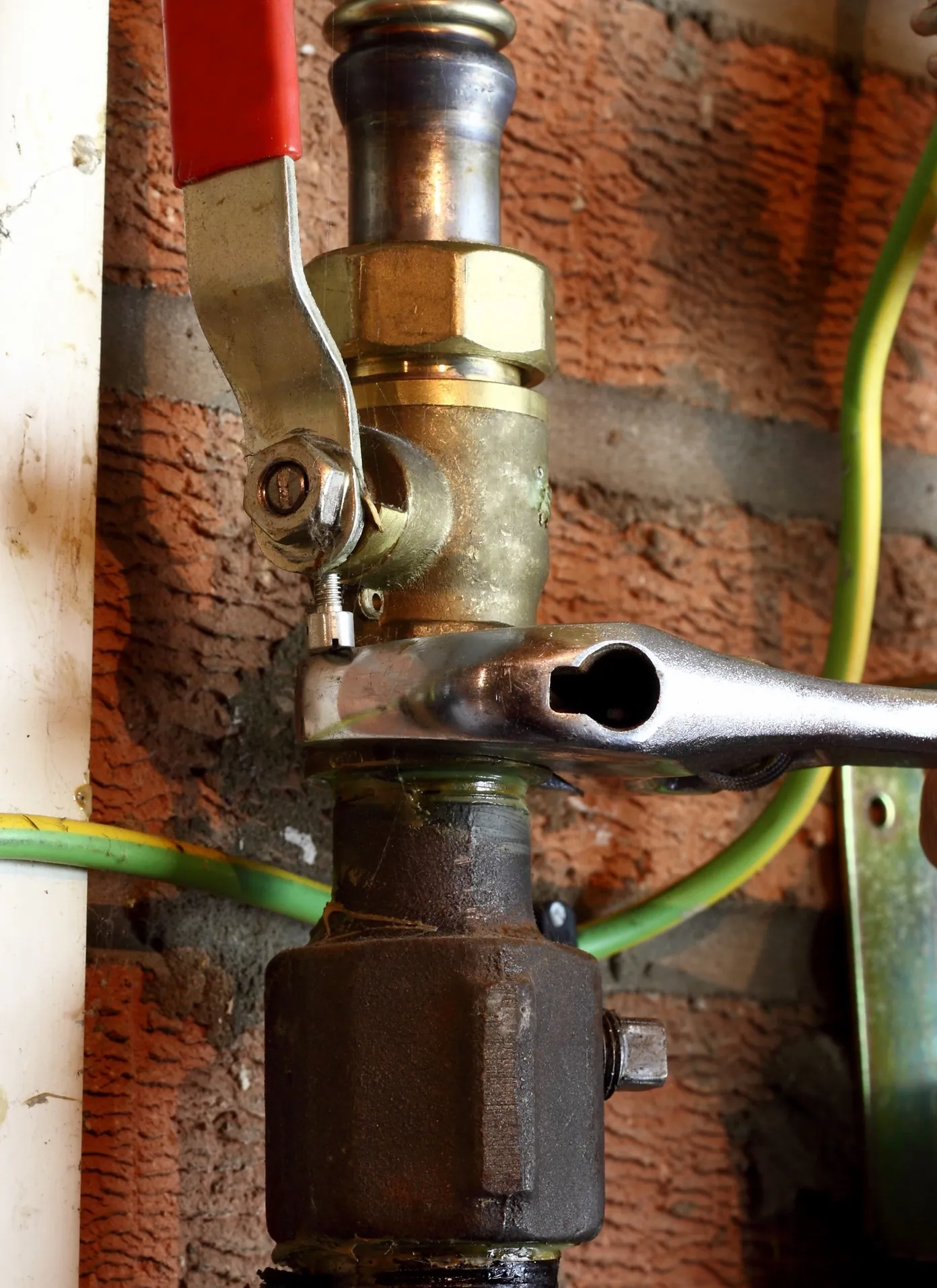
Degree Heating and Cooling is a locally owned and operated company based in Lenox, Michigan, and we handle gas line work for the furnaces, water heaters, packaged units, rooftop units, and whole-home generators we install in Lenox and nearby communities. Our review starts with the existing line and the appliances it feeds.
Locally Owned and Operated
A gas line runs through the walls, floors, and crawl spaces of the home you live in, so the company that works on it should answer to the community around it. As a locally owned and operated company in Lenox, we are accountable to the homeowners we serve, and you can read about our company background before you reach out. Our neighbors can see how we treat the homes around them, and that accountability shapes every gas line we plan.
BBB Accredited Business
Our BBB Accreditation reflects how we want to communicate about gas work: plainly, in writing where it helps, and before anything changes. We would rather explain why a line needs to be changed than leave you guessing about what the connection will involve. That commitment applies to a small branch line for one appliance as much as it does to a larger project.
Sizing Based on Every Appliance
A gas line must carry the combined demand of every appliance it feeds, not only the one you are replacing. We look at the equipment already connected and the equipment you plan to add, so a new furnace, water heater, or generator does not leave the rest of the home short on gas. This review is the reason we ask about your appliances before we talk about a route.
Planned Alongside Your Equipment Project
Gas line work usually happens during a furnace, water heater, packaged unit, rooftop unit, or generator project. We plan the line with that equipment in mind, so the connection, the route, and the appliance are reviewed together rather than handled as three separate visits. Coordinating the work this way keeps the schedule easier to follow for your household or business.
Permits and Inspections Explained Early
Where local rules require a permit or inspection for gas work, we explain that requirement before the schedule is set. You will know what the inspection covers, which steps must be completed first, and what documentation becomes part of your home's records once the work is finished.
Honest, Transparent Recommendations
We focus on honest, transparent service. If your existing line can safely serve new equipment, we say so; if it needs to change, we explain why and what the change involves before you decide. You are welcome to ask our team any question about your gas line before work is scheduled, and we will answer it in plain language.
Plan Your Gas Line
Tell Us Where Your Gas Line Needs Work
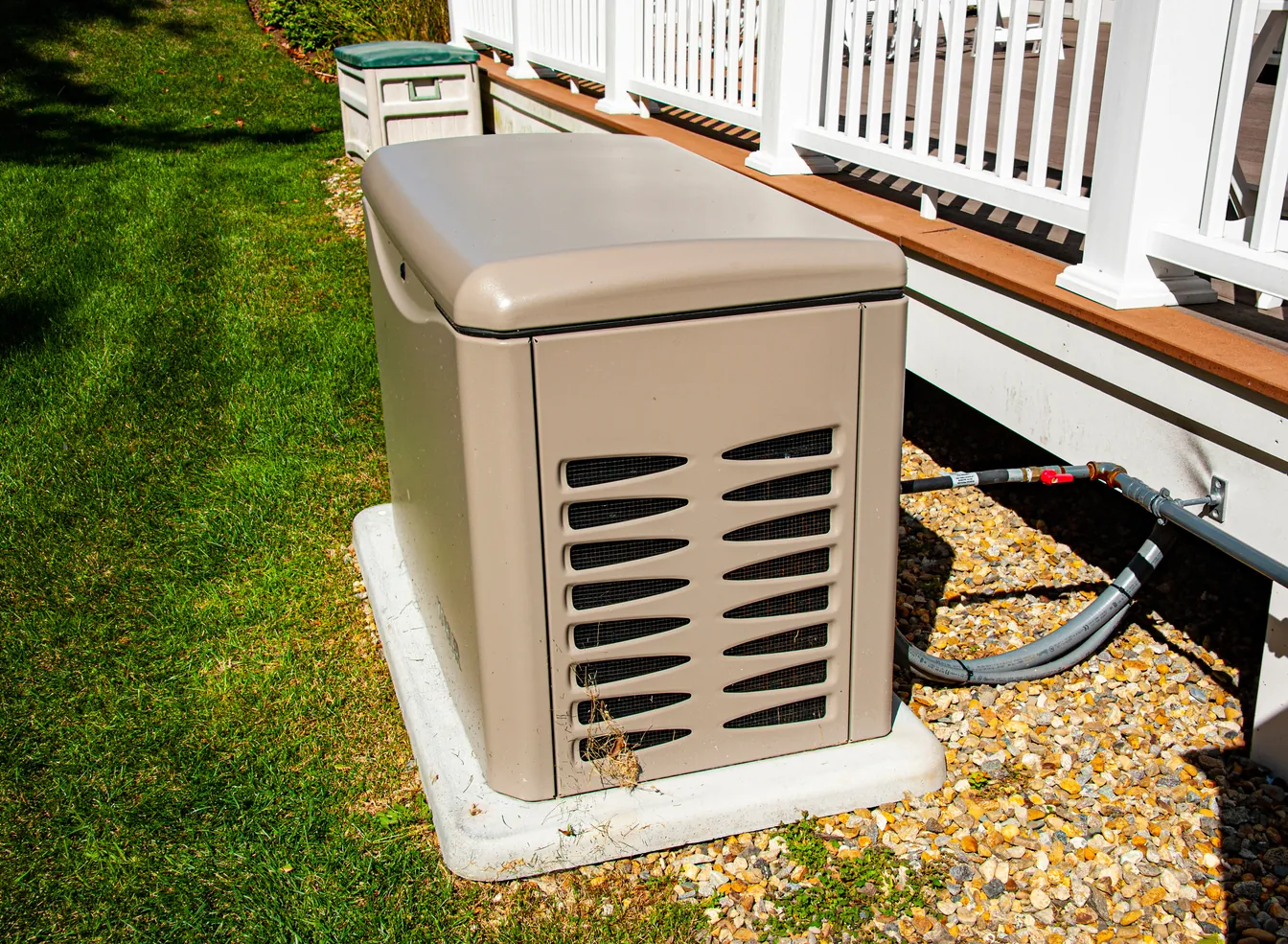
Describe the appliance you plan to add or replace, such as a furnace, water heater, packaged unit, rooftop unit, or Generac generator, and where it sits in your home. Share what you know about the gas line that serves it today, including the location of the gas meter if you know it. Our technicians come to the home for the review, because the gas line runs where the work will take place. You can send those details through our contact form, then compare the next steps with our furnace installation, tankless water heater installation, or whole-home generator services.
How We Work
The Gas Line Path From Review to Handoff
Every gas line project follows the same sequence, although the details change with the home and the appliances involved. We explain each step before we move to the next one, so you always know what is being checked and why it matters for your household.
Review the Existing Line and Connected Appliances
Every gas line project starts with what is already in place. We look at the line that serves your home today and the appliances connected to it, so the new work fits the system you have. Request a site review to begin.
- Location and condition of the existing gas supply line and its shutoff
- Appliances currently connected, including any furnace, water heater, or generator
- Meter location and the route the line takes through the home
- Signs of corrosion, damage, or past repairs along the visible portions of the line
- Access points, such as crawl spaces, basements, mechanical rooms, and underfloor areas
Size the Line for the Total Demand
A gas line has to carry the combined demand of every appliance it feeds, including appliances you plan to add later. Sizing is the step that prevents a new unit from underperforming on a line that was built for less demand.
- Input demand listed for each appliance connected to the line
- Length of the run from the supply point to each appliance
- Fittings, bends, and elevation changes that affect flow along the route
- Demand for planned additions, such as a new furnace or a generator
- Pipe size chosen to deliver the required flow at each connection
Plan the Route, Connections, and Permits
With sizing complete, we plan the route the line will take and the connection at each appliance. We also confirm whether local rules require a permit or inspection, so the schedule accounts for those steps before any work begins.
- A route that keeps the line protected and reachable for future service
- A connection point and shutoff valve at each appliance
- Materials suited to the installation location and the type of building
- Permit and inspection requirements that apply to your project
- Coordination with the furnace, water heater, or generator installation schedule
Install the Line and Check It for Leaks
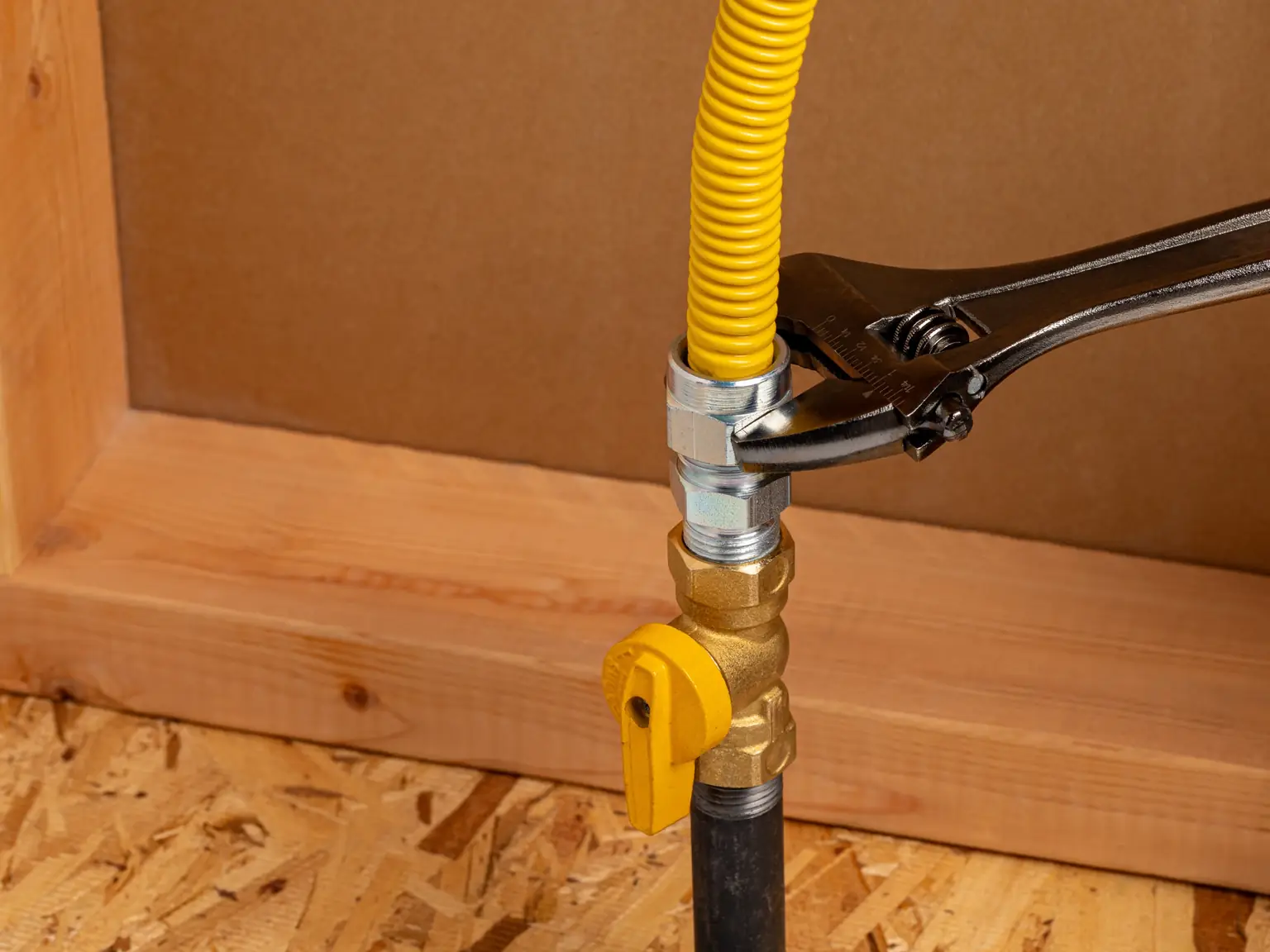
We install the line along the planned route and check every joint before the line is put into service. Gas work is a place where a careful check matters most, so the leak check is part of the installation rather than an afterthought.
- Supports and protection along the route, as the installation requires
- Joints made with fittings suited to the materials used on the route
- A leak check completed on the line before any appliance is connected
- Shutoff valves and connection points confirmed at each appliance
- A final review of the finished line against the planned route and sizing
Confirm the Connections and Leave Written Notes
The last step is the handoff. We confirm each connection with you, explain where each shutoff valve sits, and leave written notes on the work so you have a record of the line that serves your home.
- A walk-through of the line route and the location of each shutoff valve
- Confirmation that each connected appliance has its required connection
- An explanation of how the line serves each appliance in the home
- Written notes on the work, the sizing, and any permits or inspections
- Time set aside to answer your questions before the visit is closed out
Related Services
Other Systems That Depend on a Sound Gas Line
Many homes rely on the same gas line for more than one appliance. These related services cover the equipment we most often connect, so you can see how a gas line project fits into the larger plan for your home.
- Furnace servicesFurnace systems, installation, and repair from our team, with the gas connection reviewed at every visit.
- Tank water heatersRheem tank systems, with installation and repair from our team.
- Tankless water heatersNavien tankless units that heat water on demand, with installation and repair from our team.
- Packaged residential unitsOne complete heating and cooling unit for homes that do not use separate indoor and outdoor equipment.
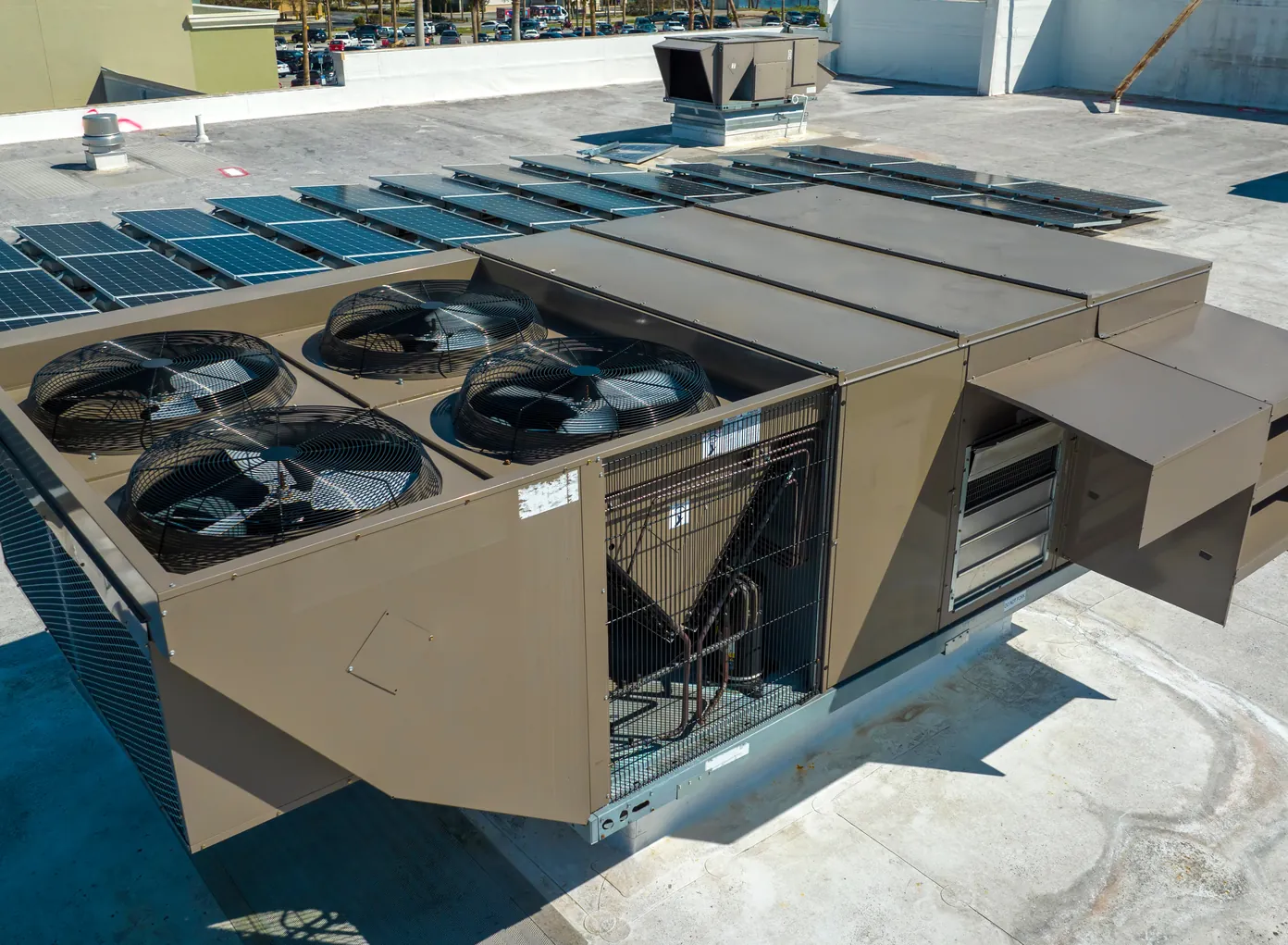
- Rooftop unitsLight commercial rooftop systems up to 25 tons, with gas connections reviewed as part of each project.
Common Questions
Gas Line Questions, Answered
Yes. Adding a tank water heater, furnace, rooftop unit, or generator often means extending or branching an existing line. We confirm that the current line has the capacity for the new demand, then plan a route to the new appliance. Our team explains that route and the connection before any work starts.
A line that served an older appliance may not carry the demand of a larger one. We compare the appliances already connected with the ones you plan to add, then measure the run and account for fittings and elevation changes. That review shows whether the existing line can serve the new equipment or whether a larger line is needed.
A whole-home generator needs a gas supply sized for its demand, a connection that meets the generator's requirements, and a shutoff valve within reach of the unit. We review the meter, the route of the existing line, and the planned generator location before recommending a connection. Our team walks through how the connection is made, where the shutoff sits, and what the project requires from the rest of your gas system.
Many gas line projects do require a permit and an inspection under local rules, and the requirement depends on the scope of the work. We confirm whether a permit applies to your project before the schedule is set, and we explain what the inspection covers. Knowing those steps early helps you plan around the work that must be finished before the new connection is used.
Leave the home, avoid light switches and other electrical devices inside, and call your gas utility or 911 from a safe distance. Do not try to find the source yourself. Our team handles planned gas line work, such as a new connection or a line changed for new equipment. For a suspected leak, your gas utility or 911 is the right first call.
Often, yes. A line can sometimes be rerouted when walls, floors, or appliance locations change, but the new route must keep the line protected, reachable, and properly supported. We review the current route, the new layout, and the appliances involved before recommending any change. If a reroute is possible, we explain each step, including any permit or inspection, so the remodel and the gas work stay coordinated from the start.
Yes. In these homes, gas lines are routed around the floor system, access panels, and any crawl space or underfloor area. We review how the line reaches each appliance and where it can be reached later for service. Our team explains the route, the connections, and any permit requirements before work begins. You can also read about our mobile and modular home services.
Our team handles gas line work for rooftop units in our light commercial range, which covers units up to 25 tons. The line must supply the unit at the capacity it requires and connect at the point the equipment specifies. We review the building, the roof access, and the existing supply before planning a route.
After installation, we check each joint and connection on the line before any appliance is put into service. The check confirms that the line holds pressure and that its connections are sealed, which protects the home and the equipment that depends on the line. We also confirm each shutoff valve and each connection point at the appliances. You receive written notes on the work, so you know what was checked and when.
Gas line work often comes up during a larger equipment project, such as a furnace or water heater installation. Our financing partners, Hearth, Service Finance, and GoodLeap, can be discussed for a project that combines gas line work with new equipment. Each partner has its own application and approval process, and our team can explain how the gas line fits into the overall plan.
Our Services
Complete HVAC Services in Lenox and Nearby Communities
From the first warm day of summer to the coldest stretch of a Michigan winter, your home depends on equipment that works. As a full-service HVAC contractor, we install, repair, and maintain the systems that heat, cool, and supply hot water to homes across Lenox — plus the generators that keep everything running when the power goes out.
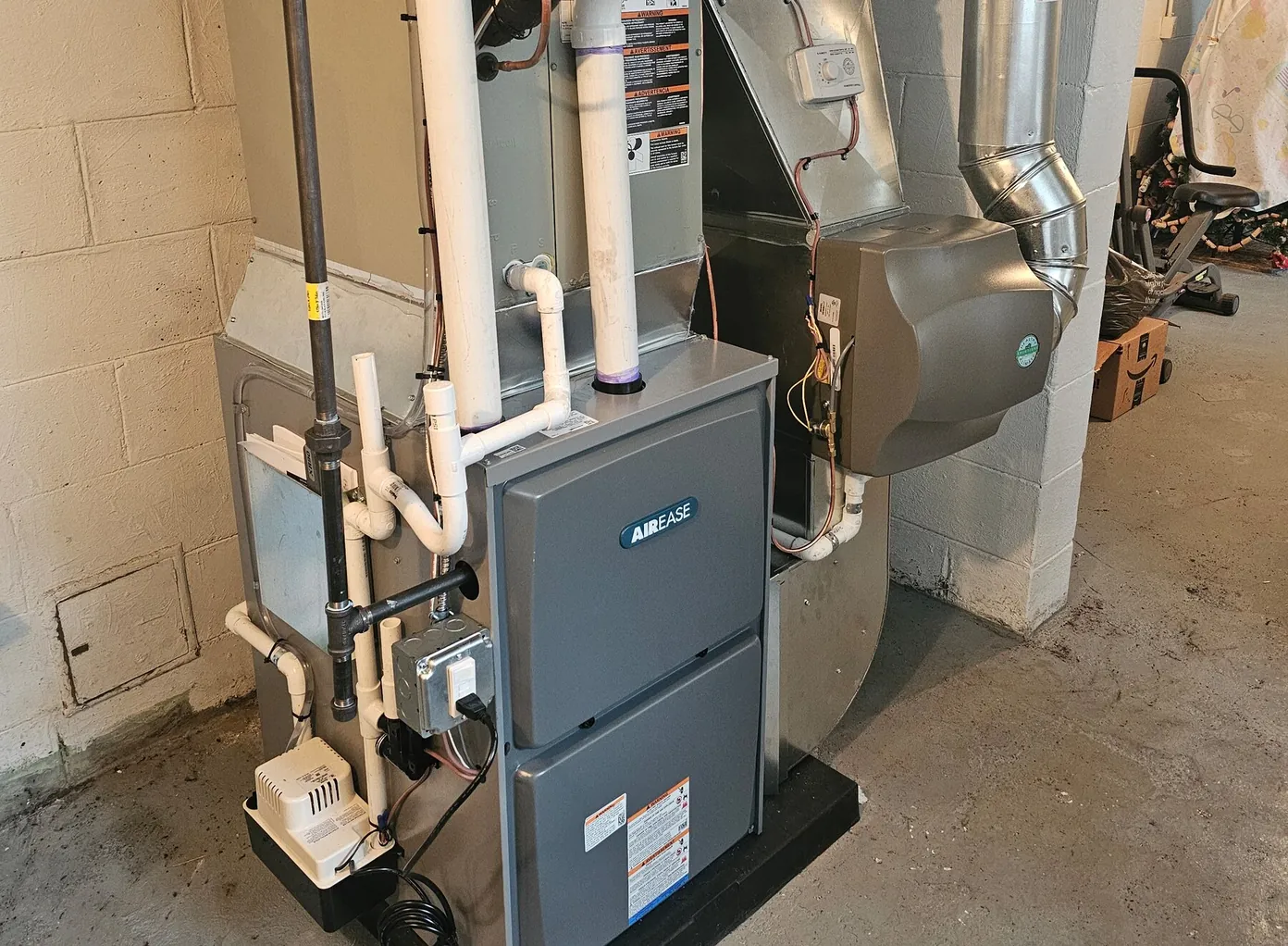
Furnace
Your furnace carries the load through every Michigan winter.
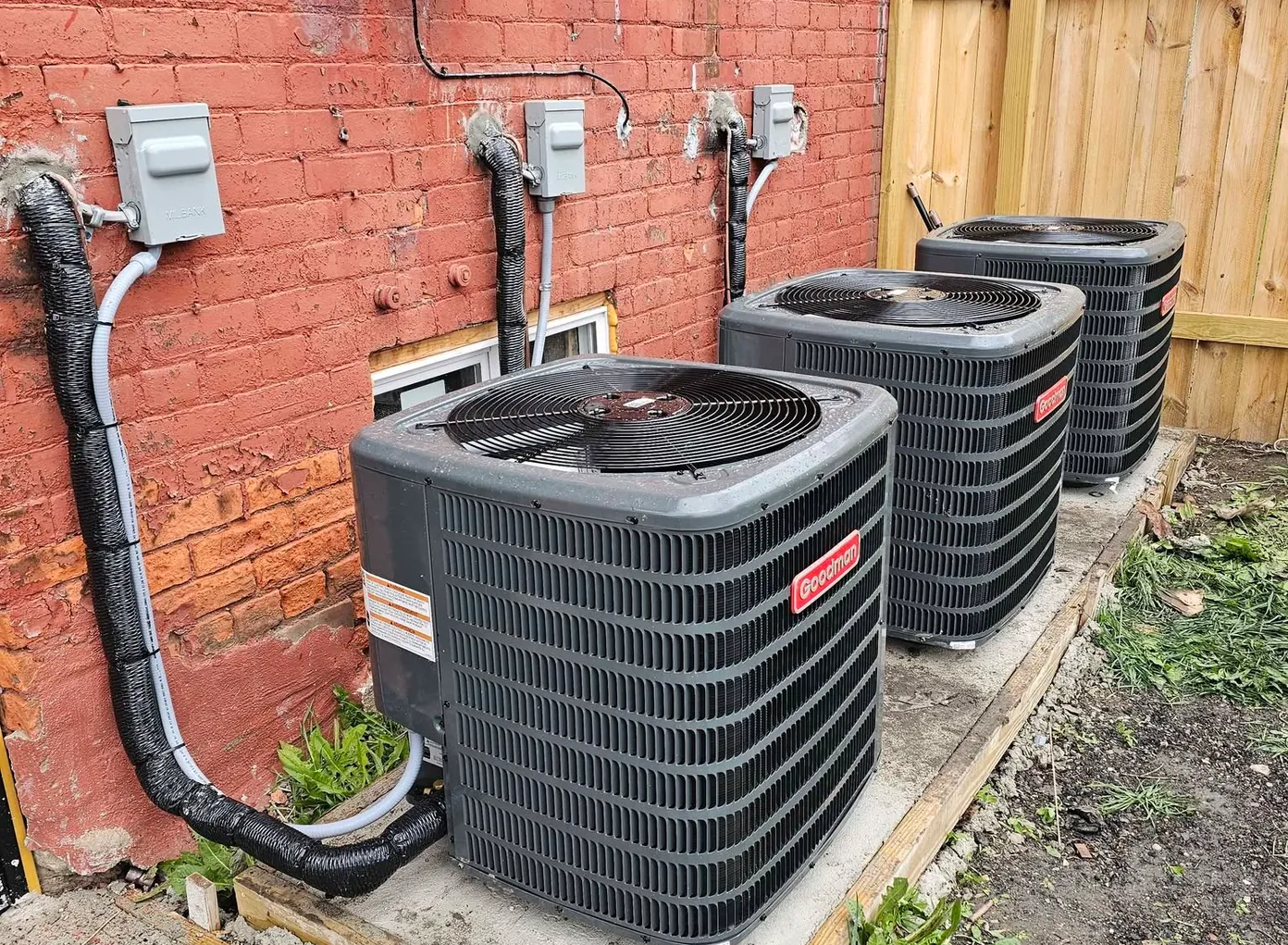
Heat Pump
A ducted heat pump heats and cools your home with one system.
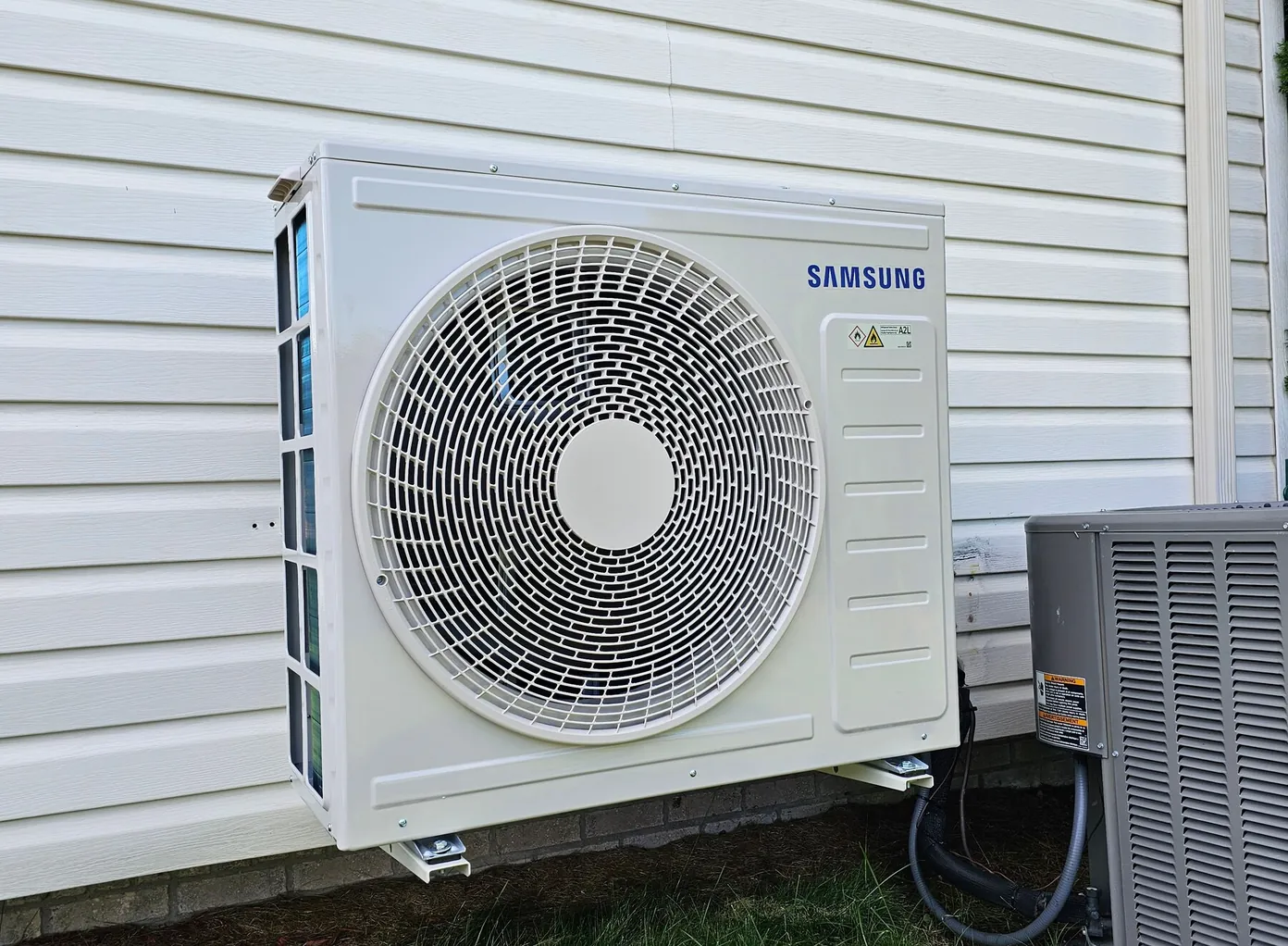
Mini-Split
Targeted comfort for additions and homes without ductwork.
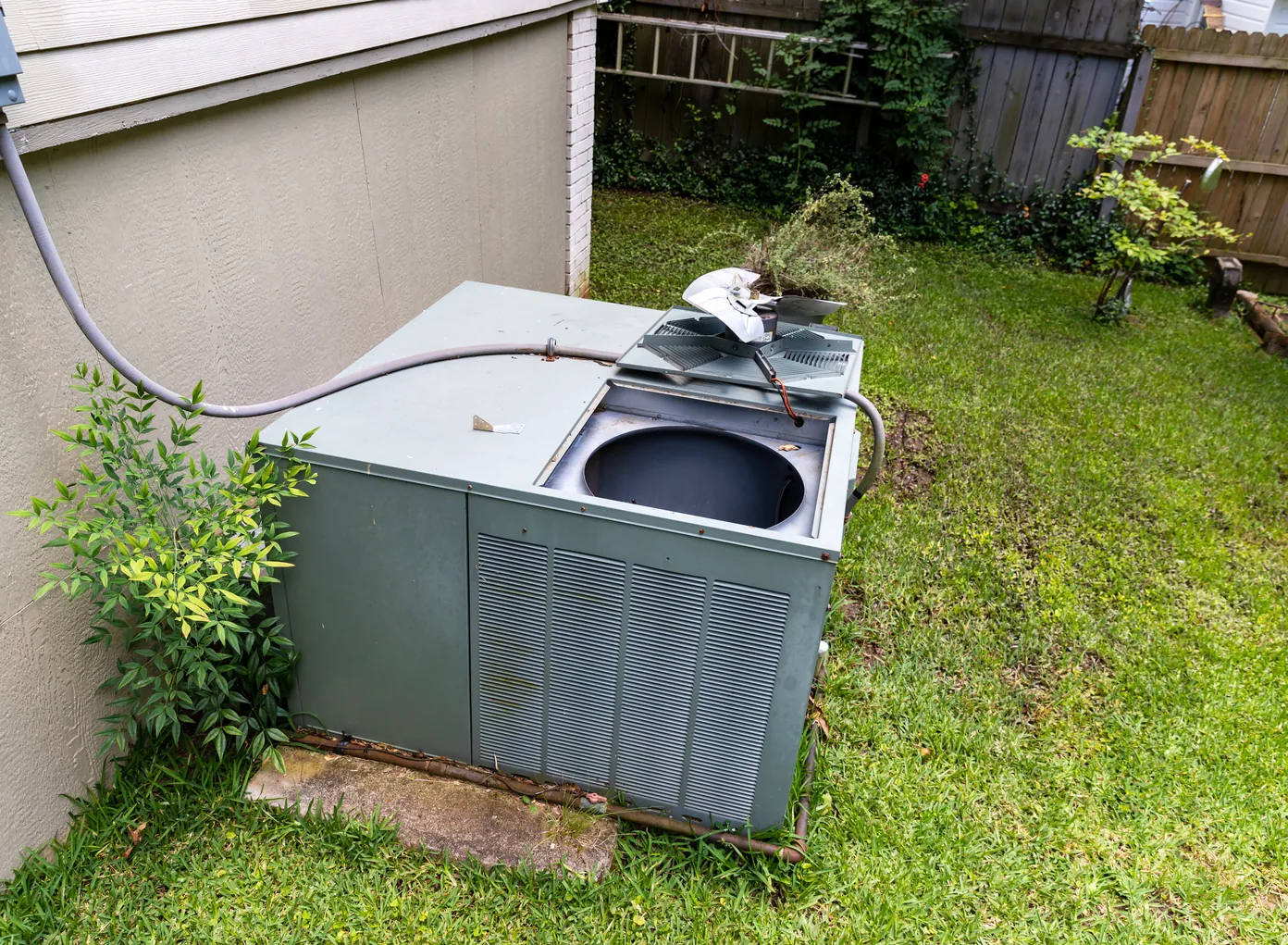
Package Residential
Heating and cooling in a single outdoor cabinet, saving indoor space.
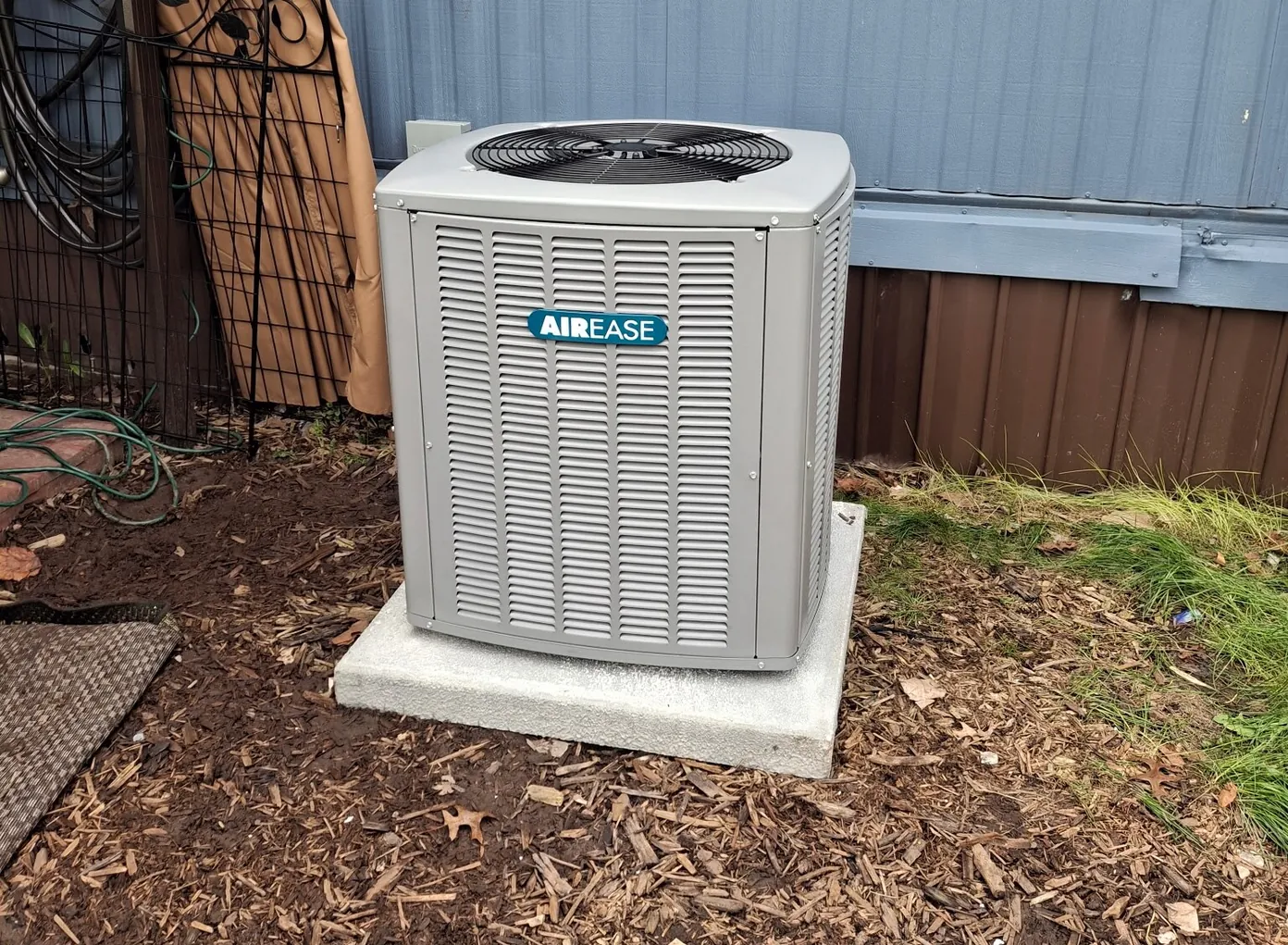
Mobile & Modular Homes
Heating, air conditioning, heat pumps, and water heating.
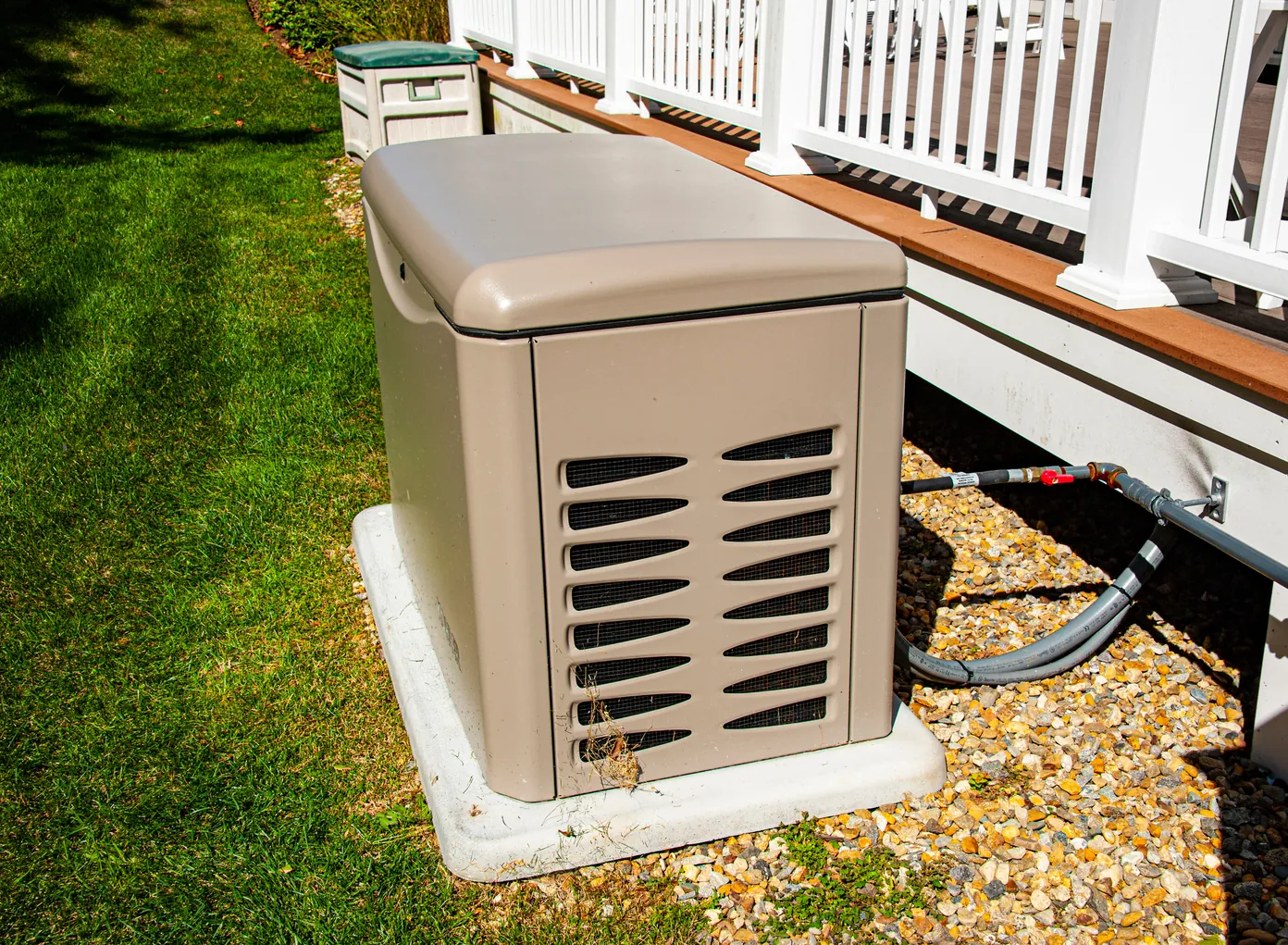
Whole-Home Generators
A Generac generator keeps your heat and lights running during an outage.
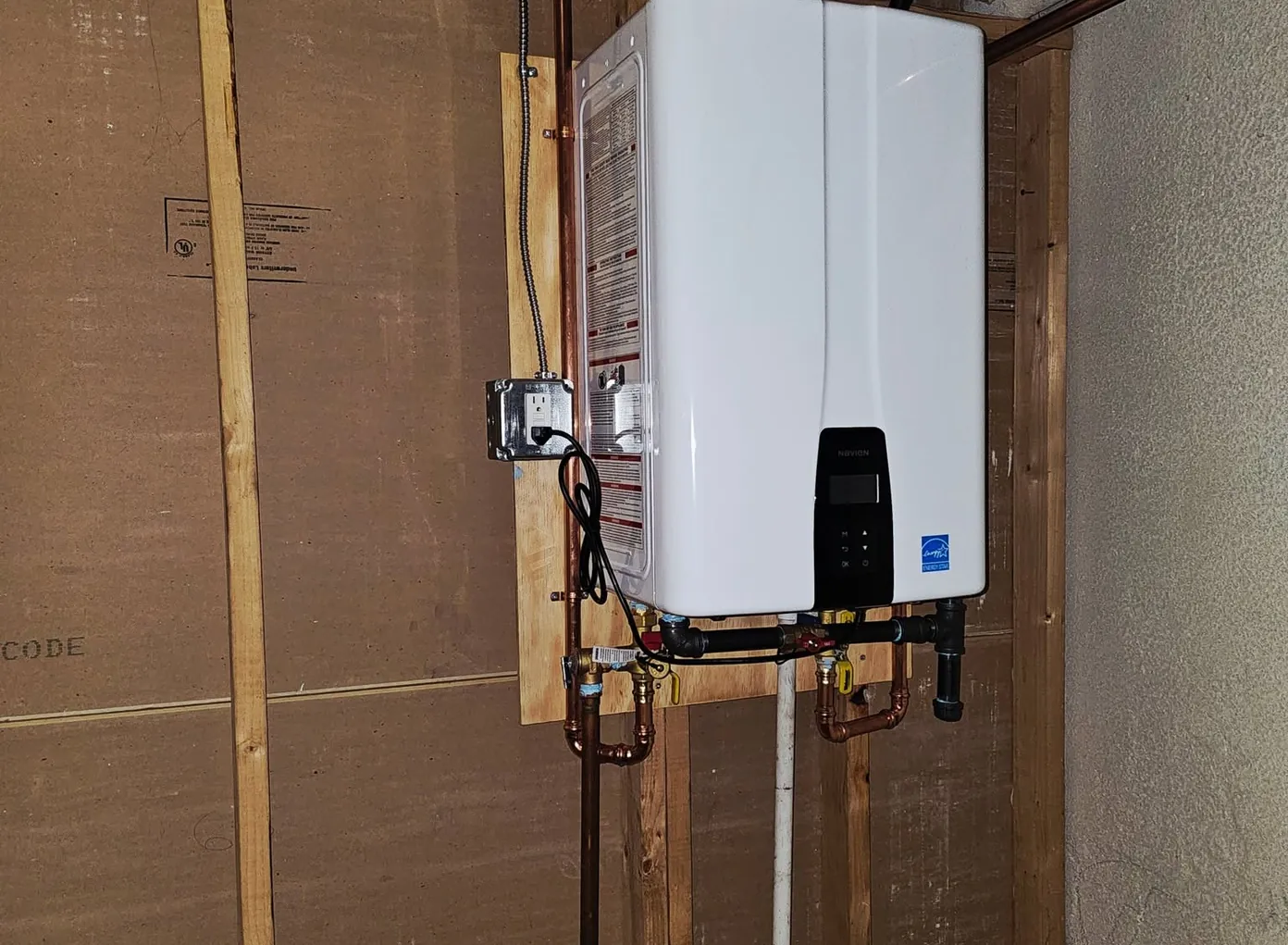
Tankless Water Heaters
Navien tankless water heaters that heat water on demand.
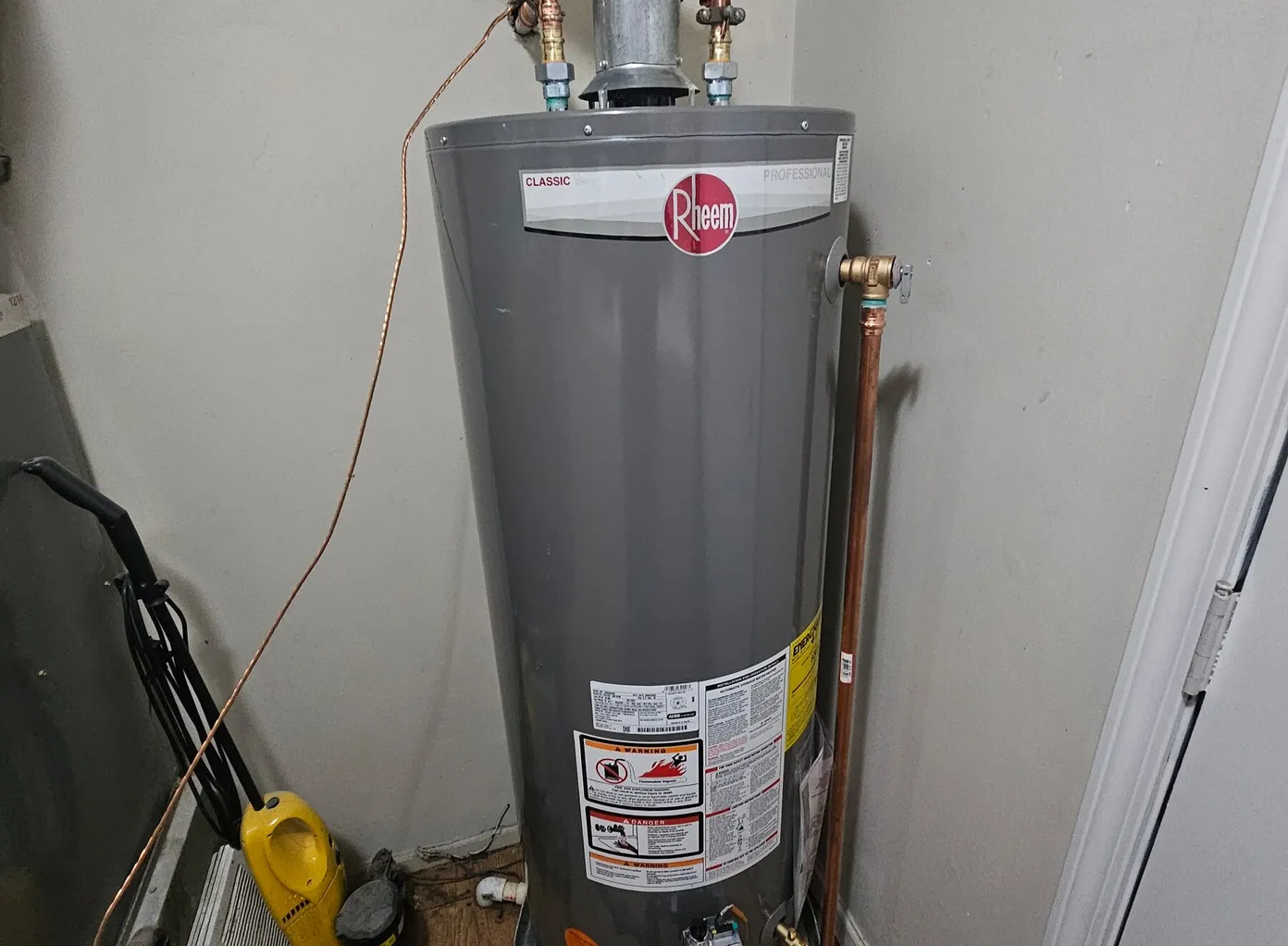
Rooftop Units
Light commercial HVAC service for rooftop units up to 25 tons.
Indoor Air Quality
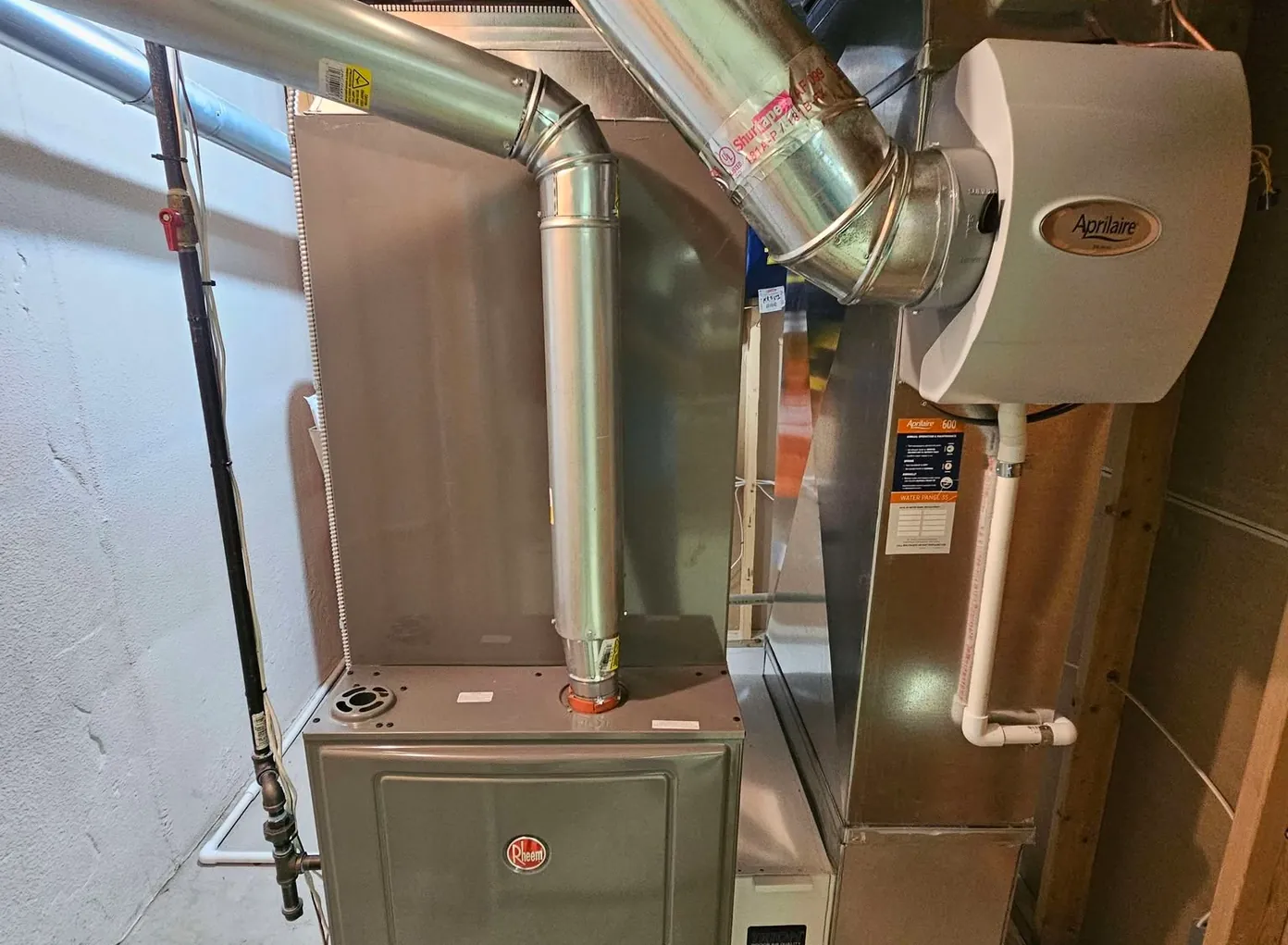
Filtration, air purification, ventilation, UV treatment, and humidity control.

Customer Reviews
Read Reviews on Google (opens in a new tab)What Our Customers Say
Our neighbors' feedback means everything to us. Read what homeowners across the area have to say about working with Degree Heating and Cooling.
Where We Work
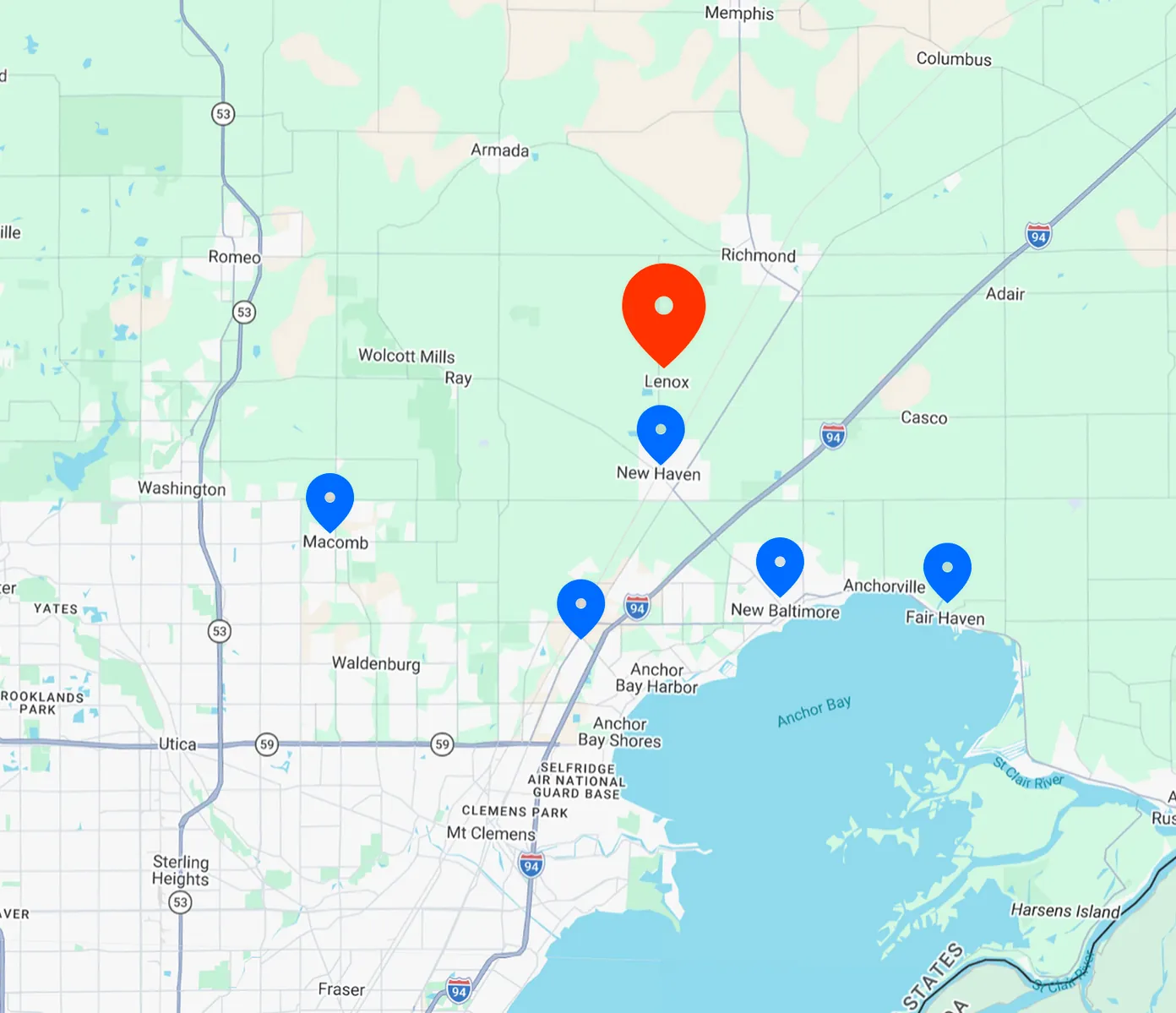
Gas Piping Service Areas Near Lenox
Our service area overview explains how we cover the region from Lenox. Each community below has its own local page, and our team can confirm coverage for any town not listed.
Don't See Your Location?
Don't see your town listed? We also help homeowners in neighboring communities around Lenox. Give us a call and we'll let you know if we can reach you.
- Honest, Transparent Service
- BBB Accredited
- Locally Owned & Operated
- AirEase & Samsung Systems
- Flexible HVAC Financing
Next Steps
Your Gas Line Contractor in Lenox
Gas line work is the foundation under the furnaces, water heaters, packaged units, rooftop units, and generators that keep a home comfortable and running. When the line is sized, routed, and checked correctly, the equipment it serves can do its job as designed. Our locally owned and operated company in Lenox treats each gas line as part of the whole home, and our BBB Accreditation reflects the same commitment to clear, honest communication that guides every project we plan. Questions about how a line will be routed are welcome at any stage of planning.
A gas line project often comes up alongside a larger equipment purchase, so we plan the two together. Our maintenance plans help keep the appliances on that line on a regular schedule, and our financing options can help you plan the investment over time. Each financing partner has its own application process, and we explain what each option involves before you decide.
Tell us about the appliance you plan to add or replace, the gas line that serves it today, and the location of your home. We serve Lenox, Chesterfield, New Baltimore, Macomb, New Haven, and Ira, and our team will confirm the next step with you before any work is scheduled. The more detail you share about the existing line, the more precisely we can prepare for your site review. Bring any questions about the route, the permit process, or the order of the work, and we will walk through them with you before anything is scheduled.