


Testing Before Parts
Packaged System Repair & Maintenance in Lenox, MI
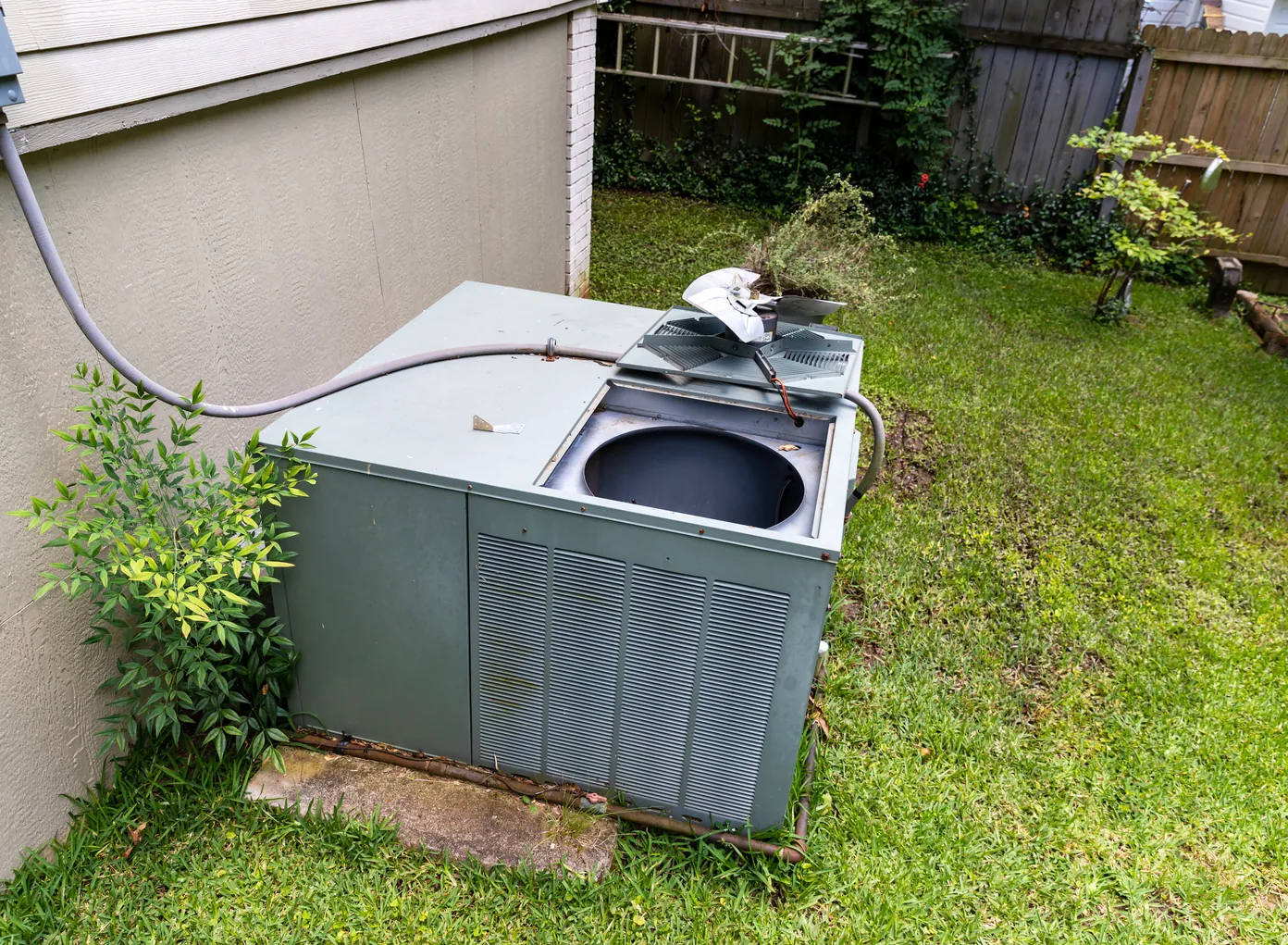
A packaged system puts its heating and cooling components in one outdoor cabinet, so a problem in one part of the system can show up as a symptom somewhere else.
Why Owners Call Us
Why Lenox Owners Call a Locally Owned Repair Company
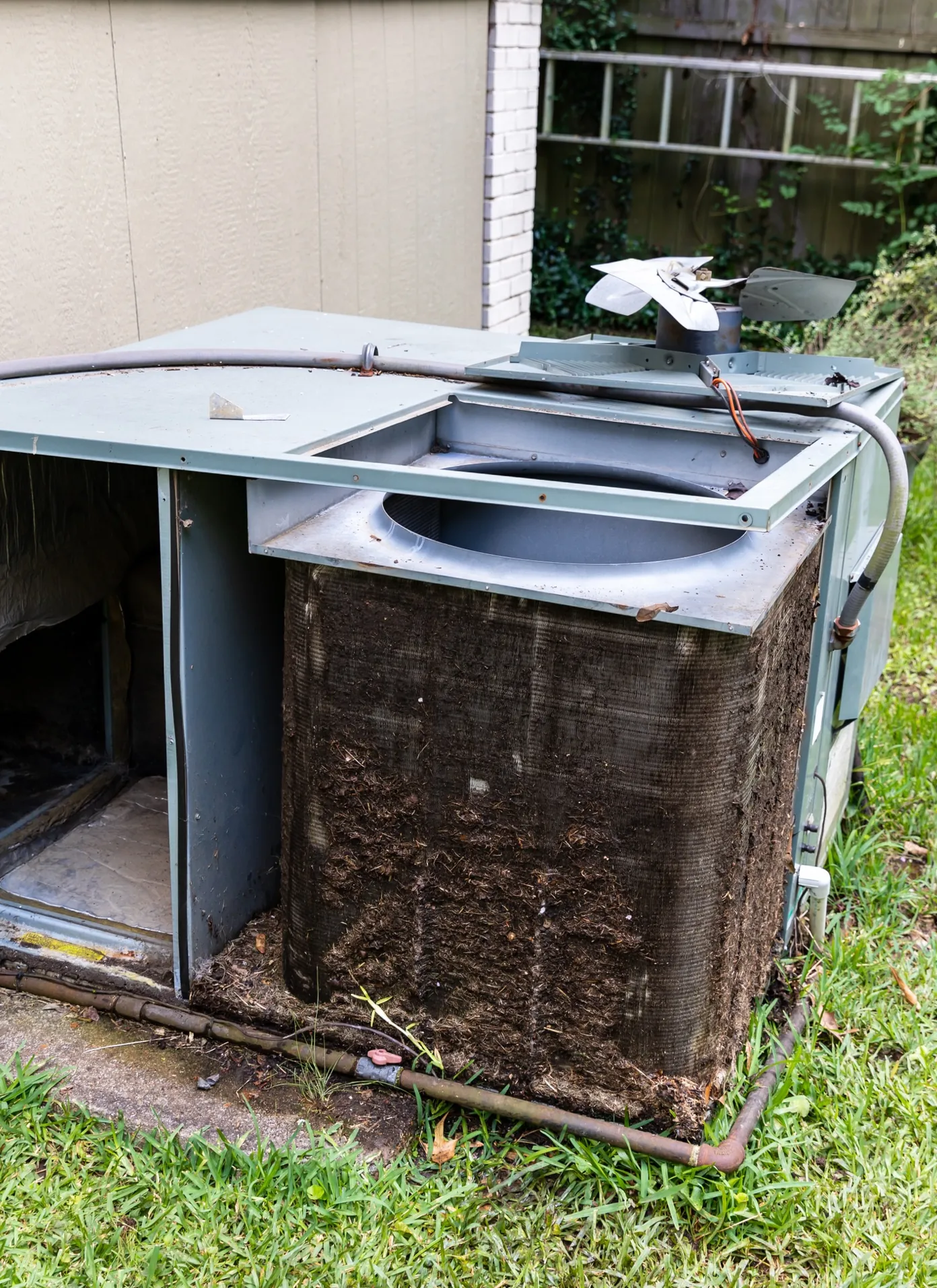
Degree Heating and Cooling is a locally owned and operated company based in Lenox, Michigan, and we repair and maintain packaged residential systems for homes in Lenox and the communities around it. Our technicians test the cabinet in both heating and cooling, check the airflow and electrical connections, and explain what the readings show before any work is approved.
Local Ownership Applied to a Failing System
When a packaged cabinet stops keeping the house comfortable, you should be able to ask the people who diagnosed it about their work. Degree Heating and Cooling is locally owned and operated, and our technicians serve the same community they live in. That accountability shapes how carefully we document each diagnosis and how we follow up after a repair. You can read our company background before you call.
BBB Accredited Standing You Can Verify
We are BBB Accredited, which gives you an independent public reference point before you approve any repair. A packaged unit is a significant part of your home's comfort, so we would rather you check our standing than rely on our word alone. We welcome that check and will answer any question about how we run each visit.
Both Heating and Cooling Tested in One Visit
One cabinet carries both seasons, so a complaint about summer cooling can trace back to the heating side, and a winter problem can involve the cooling components. We test each mode so the cause is clear before we suggest a fix. You see the readings for both modes, not only the one tied to the symptom you reported.
Readings Before Recommendations
We do not recommend a part simply because it is the most common suspect. We take airflow, electrical, and operating readings first, then compare them with the manufacturer's specifications. Any recommendation follows from what the numbers show, and we explain that reasoning in plain language.
Options Laid Out With Their Trade-Offs
Some repairs solve the problem completely, and others only postpone it. When we find a major failing component, we explain what the repair would correct, what it would leave unaddressed, and how it compares with replacing the system. You decide which path fits your home and your budget.
A Record of Every Reading Taken
After the visit you receive a summary of what we tested, the work performed, and the readings behind each decision. That written record helps you compare future service recommendations. If you want scheduled attention between repairs, our maintenance plans describe the options.
Tell Us What Is Happening
Tell Us What Your Packaged Unit Is Doing in Lenox
Use the contact form to describe what the system is doing, such as blowing weak air, running longer than usual, cycling on and off, or leaving some rooms cooler or warmer than others. Note whether the trouble appears in heating, cooling, or both, and whether the cabinet sounds or looks different than before. Our technicians come to your home, so there is nothing you need to bring with you. If you are still deciding, you can compare packaged system installation, read the packaged residential systems overview, or review central air conditioning repair if your home uses a split system.
Early Warning Signs
How a Struggling Packaged Unit Shows It
Uneven Temperatures Between Rooms
A packaged system serves the whole house through one blower and one set of ducts, so rooms that run much warmer or cooler than the rest often point to an airflow problem rather than a control problem. A closed register, a restricted return, or a blower that is losing output can each cause it. We measure airflow at the supply registers and check the ducts before adjusting anything else.
Air That Feels Weak at the Registers
Vents that feel faint can come from a dirty filter, a restricted return path, or a blower that is no longer moving the air it should. Because the same blower serves both seasons, a weak result in one mode may point to a fault that only shows under load. We test airflow in each mode so the source is confirmed rather than assumed.
Rattling, Grinding, or a Changed Fan Sound
A new rattle, a grinding noise, or a fan that sounds unbalanced can come from a loose panel, a worn blower or fan motor, or debris that has entered the cabinet. Each sound points toward a different component, so noting when it happens is useful. We inspect the fan, the motor, and the mounting before recommending any repair.
Water Pooling Near the Cabinet or Indoors
Water around the outdoor cabinet or near an indoor air handler usually means a blocked condensate line, a line that does not slope correctly, or a drain pan problem. Standing water can damage the pad, the walls, and the flooring over time. We clear the drain path and inspect the pan before the system returns to service.
Short Cycling Between Brief Runs
A cabinet that starts and stops every few minutes is not running the way it should. Short cycling can come from a dirty filter, a restricted coil, a pressure or safety control, or a thermostat setting that does not match the equipment. We track how each cycle begins and ends before testing the parts involved.
Packaged Repair Services
Packaged System Components We Repair and Tune Up
Blower and Airflow Service
The blower moves conditioned air through the whole house, so a worn motor or a weak capacitor affects every room. We test the motor, the capacitor, and the speed settings, then clean or replace what the readings require. Ask About Blower Service.
Refrigerant Circuit Diagnosis
A low or high refrigerant charge reduces output and strains the compressor. We measure pressures, inspect the fittings, and explain what the readings show before recommending any refrigerant work. Discuss a Refrigerant Concern.
Heating Section Controls and Safety Checks
The heating section depends on its sequence and safety controls to run correctly. We test the sequence, the switches involved, and the control board before repairing or replacing anything in that section. Request Heating Section Testing.
Contactor and Electrical Connection Repair
Worn contactors and loose connections can stop a cabinet or make it run erratically. We inspect the wiring terminals, the disconnect, and the contactor, then tighten, clean, or replace the parts that need it. Schedule an Electrical Check.
Condensate Drain Clearing
A blocked or poorly sloped condensate line can leave water near the cabinet or indoors. We clear the drain path, inspect the pan, and confirm that water leaves the system as it should. Book Drain Service.
Thermostat and Control Wiring Repair
Thermostat settings and low-voltage wiring have to match the cabinet's controls. We verify both, then repair or replace the parts that do not work. Talk Through Thermostat Concerns.
Seasonal Tune-Ups for Heating and Cooling
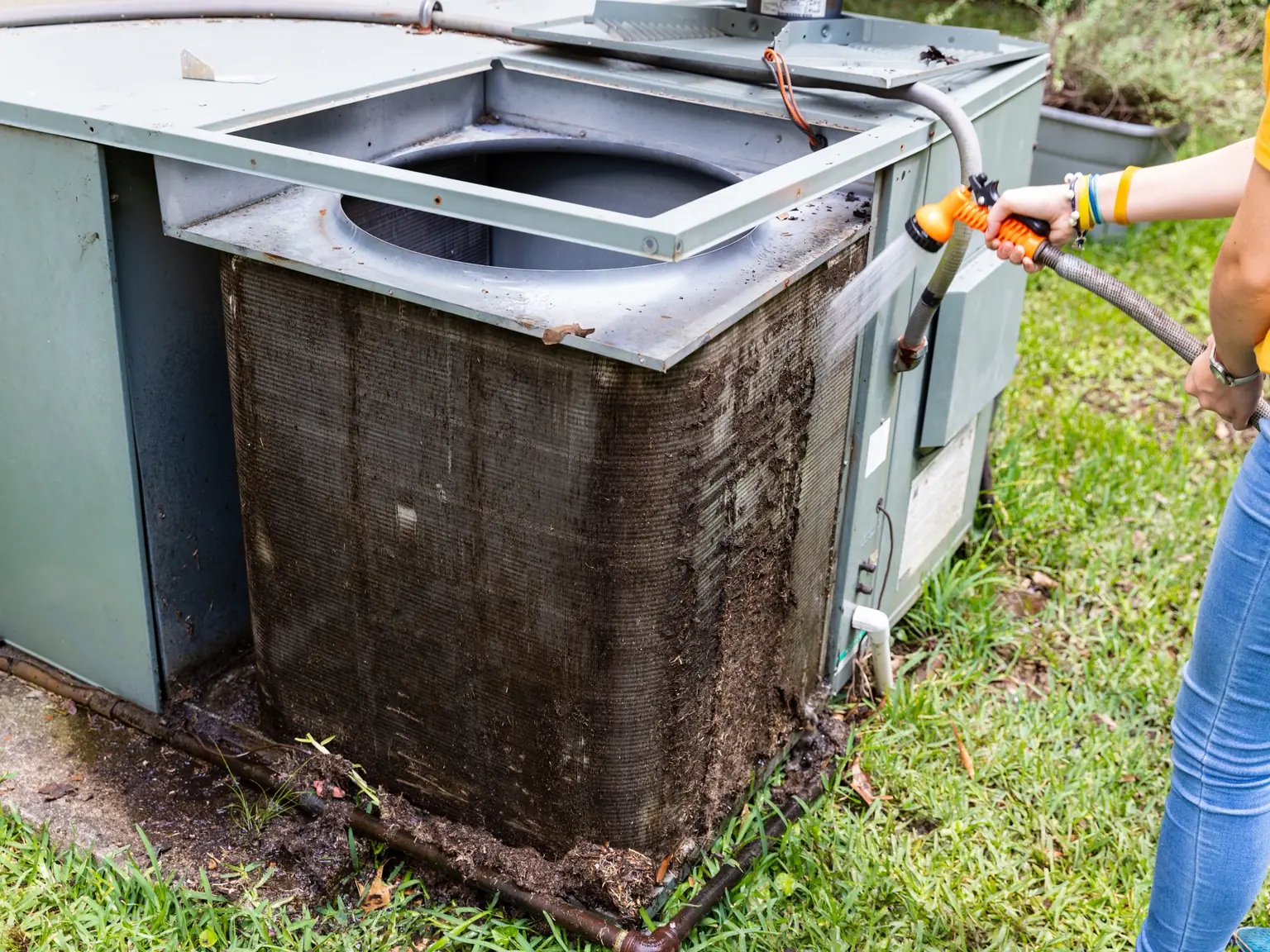
A tune-up checks both modes before each season, including refrigerant condition, condensate drainage, airflow across the indoor coil, filter condition, and electrical connections. Regular service helps catch wear early. Book a Seasonal Tune-Up.
Related Systems
Related Comfort Systems Worth Comparing
A packaged system is one option among several. These related services cover the other heating, cooling, and air quality needs in many homes.
- Central air conditioningCentral AC installation, replacement, repair, and tune-ups for homes with an indoor air handler or furnace.
- Furnace repair and maintenanceIgnition, safety, and airflow testing for furnaces that heat your home in winter.
- Mini-split systemsDuctless heating and cooling for rooms or zones where ductwork is impractical.
- Indoor air qualityFiltration, humidification, dehumidification, and ventilation options for cleaner indoor air.
- Whole-home generatorsGenerac whole-home generators, including gas line connection, installation, and replacement.
- Tankless water heatersNavien tankless water heating with installation, repair, and maintenance services.
How We Diagnose
From the Complaint to a Confirmed Fix
Packaged repairs follow a set order because one cabinet shares its components between heating and cooling. Each stage narrows the cause before we recommend any work.
Capture the Complaint and the Cabinet Details
The first stage records what you noticed and what the nameplate shows, so the testing begins from accurate information.
- Note whether the problem appears in heating mode, cooling mode, or both
- Record when the trouble began and how often it repeats
- Read the make, model, and serial details from the cabinet nameplate when you can
- Review thermostat settings, schedules, and any recent changes to the controls
- Ask about past repairs, filter changes, and any work done by other technicians
Check Airflow Through the Blower and Ducts
A packaged system depends on its blower and ductwork, so we measure airflow before judging the cabinet's components.
- Measure airflow at the supply registers in both heating and cooling modes
- Inspect the filter, the return path, and the grille openings for restrictions
- Check the blower motor, its capacitor, and its speed settings
- Look for leaks, disconnected joints, or crushed sections in the accessible ductwork
- Note any rooms where airflow falls short of the others
Test the Heating and Cooling Sequences
Because one cabinet handles both seasons, we run each sequence and confirm that the controls start and stop the right components in order.
- Start the cooling sequence and confirm the compressor, fan, and controls respond as expected
- Start the heating section and confirm its safety controls and sequence operate normally
- Test the contactor, relays, and control board for proper switching
- Confirm the thermostat wiring matches the cabinet's control requirements
- Record the sequence timing so we can compare it with the manufacturer's specifications
- If the gas supply feeding the heating section needs attention, our gas piping services explain that scope
Verify Refrigerant and Electrical Readings
Refrigerant and electrical readings show whether the cooling circuit and its power supply are operating within limits.
- Measure operating pressures during a cooling run
- Compare the refrigerant charge with the manufacturer's specifications
- Look for signs of leaks at fittings, service valves, and line set connections
- Check the compressor's electrical draw and how it starts and runs
- Inspect the disconnect, the wiring terminals, and the breaker for wear or heat damage
Confirm the Fix With Test Data and Warranty Papers
A repair is complete only when the system proves it operates correctly in both modes. We finish by documenting the results and the paperwork that goes with the work.
- Explain each repair option, what it corrects, and what it leaves unaddressed before work begins
- Replace only the failed components that the test results confirm
- Run the system through heating and cooling after the repair and record the readings
- Provide a written summary of the findings, the work performed, and the readings
- Provide manufacturer warranty paperwork for replaced parts where the manufacturer offers it
- Recommend whether a seasonal tune-up would help before the next season begins
Repair Questions Answered
Common Packaged Repair Questions
Age matters, but it does not settle the question alone. We look at the condition of the cabinet, the nature of the failure, and how the system has performed recently. A small, isolated part on a sound cabinet is often worth repairing. An older cabinet with several failing components may point toward replacement. We explain both sides of that comparison during the visit.
A cabinet can run correctly while air still reaches some rooms poorly. Closed or blocked registers, undersized return paths, leaky duct joints, and dampers set incorrectly can each starve a room of airflow. We measure airflow at the registers and inspect the accessible ductwork before changing anything. We explain any balancing adjustment before making it.
A breaker that trips repeatedly is signaling an electrical fault, an overloaded circuit, or a failing component, so the cause should be found rather than the breaker reset again and again. We inspect the disconnect, the wiring, the contactor, and the compressor's electrical draw. Once we identify the cause, we explain the repair and what it corrects. Tell us when the trips happen.
Many systems run the blower briefly after a heating or cooling cycle to deliver the remaining conditioned air to the home. That short run is normal. A fan that keeps running for long periods, or one that will not stop, can point to a control or relay issue. We check the sequence and the controls to determine which situation applies.
The make, model, and serial number on the cabinet nameplate let us confirm the equipment's specifications before the visit. The thermostat model and any invoices from earlier repairs are also useful. If the label is hard to read, a photo helps us prepare. You never need to open the cabinet yourself.
It helps to be home, or to have someone present who knows the symptoms, so the technician can hear what you have noticed. You do not need to watch the testing itself, but you should expect to approve any repair before work begins. We confirm the visit details with you in advance.
The technician walks you through the readings, what each one shows, and why it points to a particular cause. We avoid unexplained jargon and describe each option in terms of what it fixes and what it leaves alone. If anything is unclear, ask before approving work. You also receive a written summary afterward so you can review the findings at your own pace.
When a diagnosis requires a part that is not on hand, we explain which part is needed, why it is needed, and whether it is available. You decide whether to approve the part before anything is ordered. We keep you informed about the status of the repair until it is complete.
Often it is, because a tune-up checks the parts that tend to wear before a problem shows up. We check both heating and cooling, clean what needs cleaning, and inspect the connections and drainage. Catching a weak component early supports steadier operation through the season. If a repair is also needed, we explain it separately from the tune-up.
After the visit, you receive a written summary that lists what we tested, the readings we recorded, the work performed, and any parts replaced. For replaced components, we provide the manufacturer's warranty paperwork where the manufacturer offers it. Keep these with your home records to compare future recommendations over the life of the system.
Our Services
Complete HVAC Services in Lenox and Nearby Communities
From the first warm day of summer to the coldest stretch of a Michigan winter, your home depends on equipment that works. As a full-service HVAC contractor, we install, repair, and maintain the systems that heat, cool, and supply hot water to homes across Lenox — plus the generators that keep everything running when the power goes out.
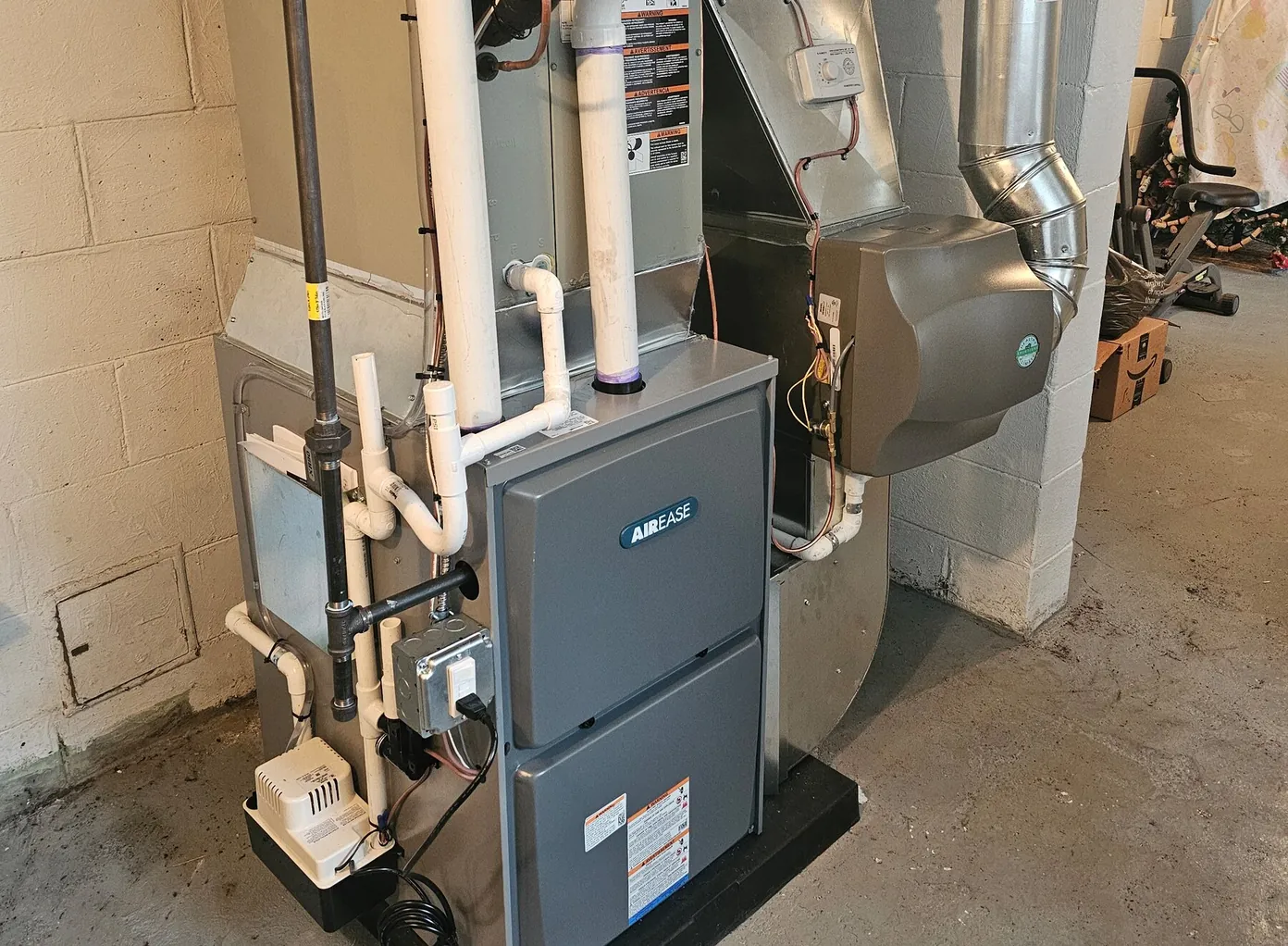
Furnace
Your furnace carries the load through every Michigan winter.
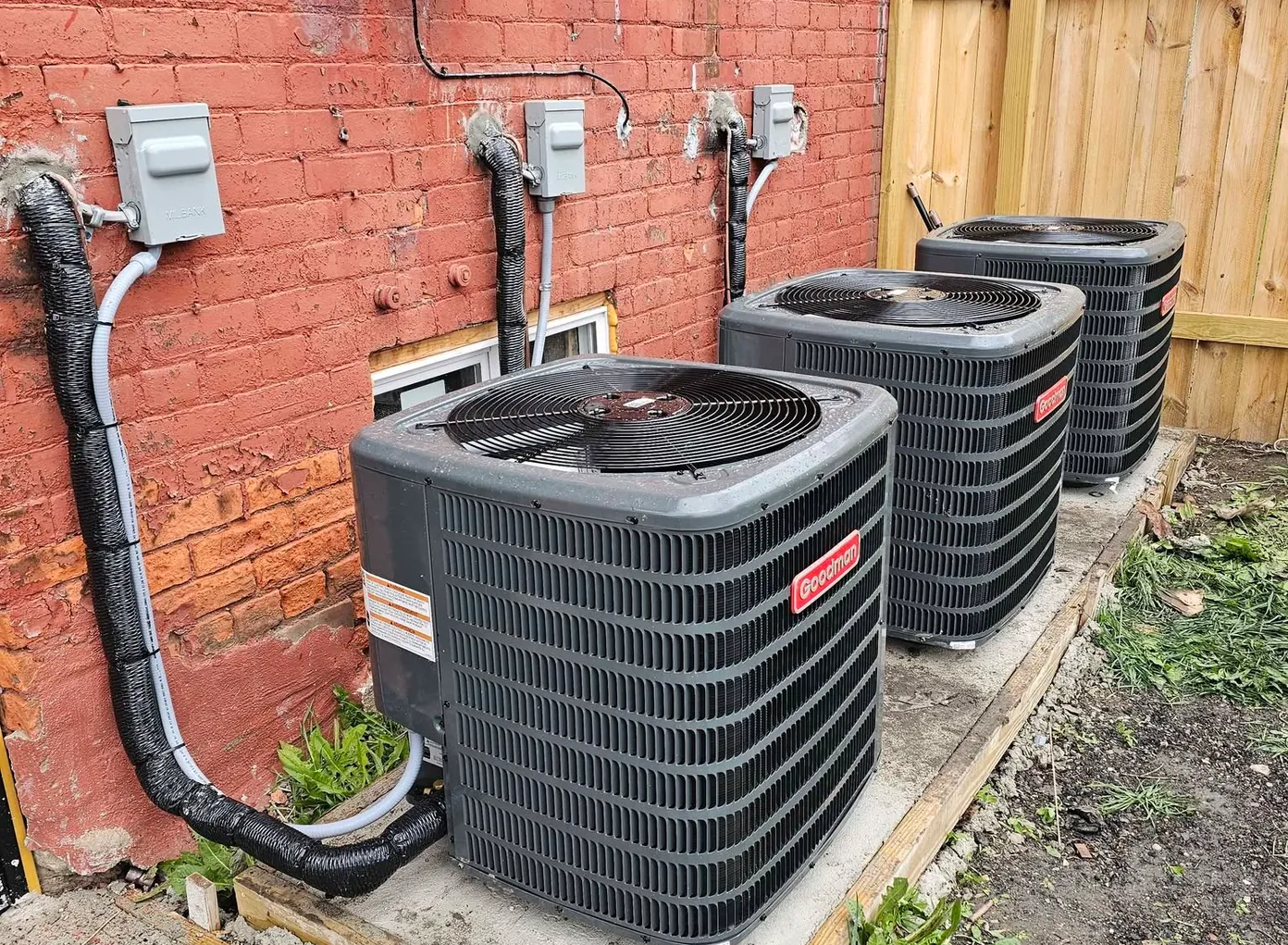
Heat Pump
A ducted heat pump heats and cools your home with one system.
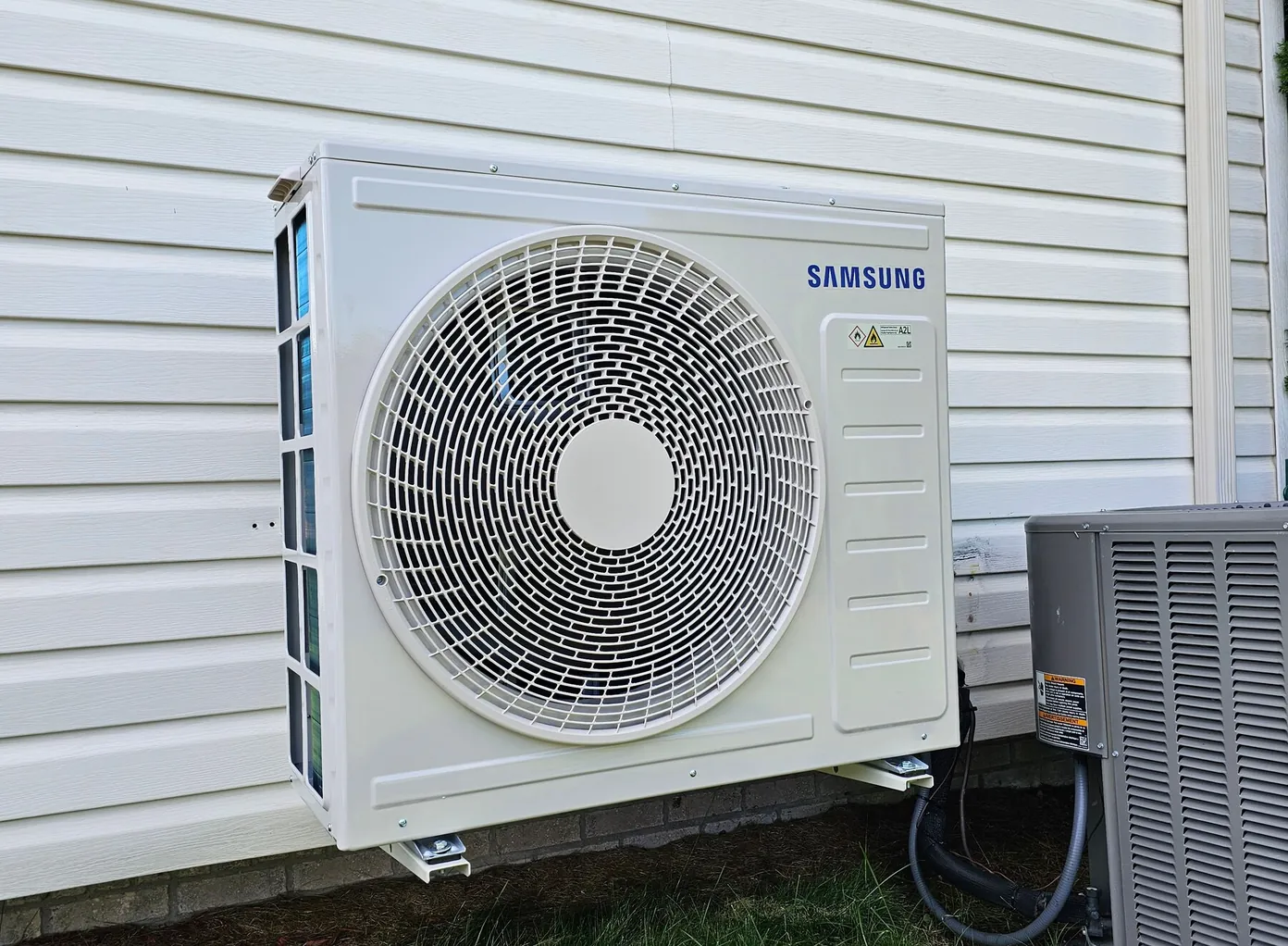
Mini-Split
Targeted comfort for additions and homes without ductwork.
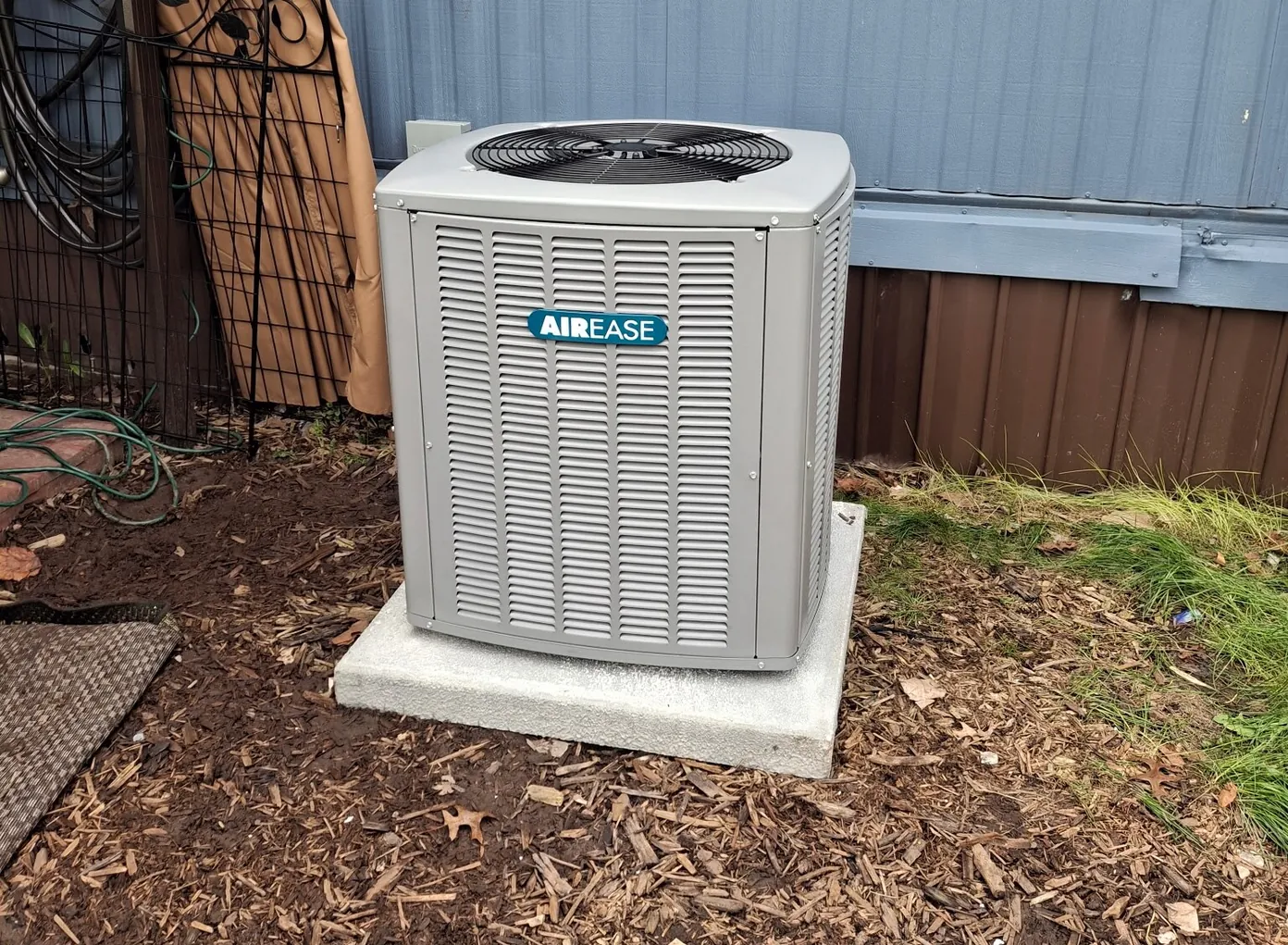
Mobile & Modular Homes
Heating, air conditioning, heat pumps, and water heating.
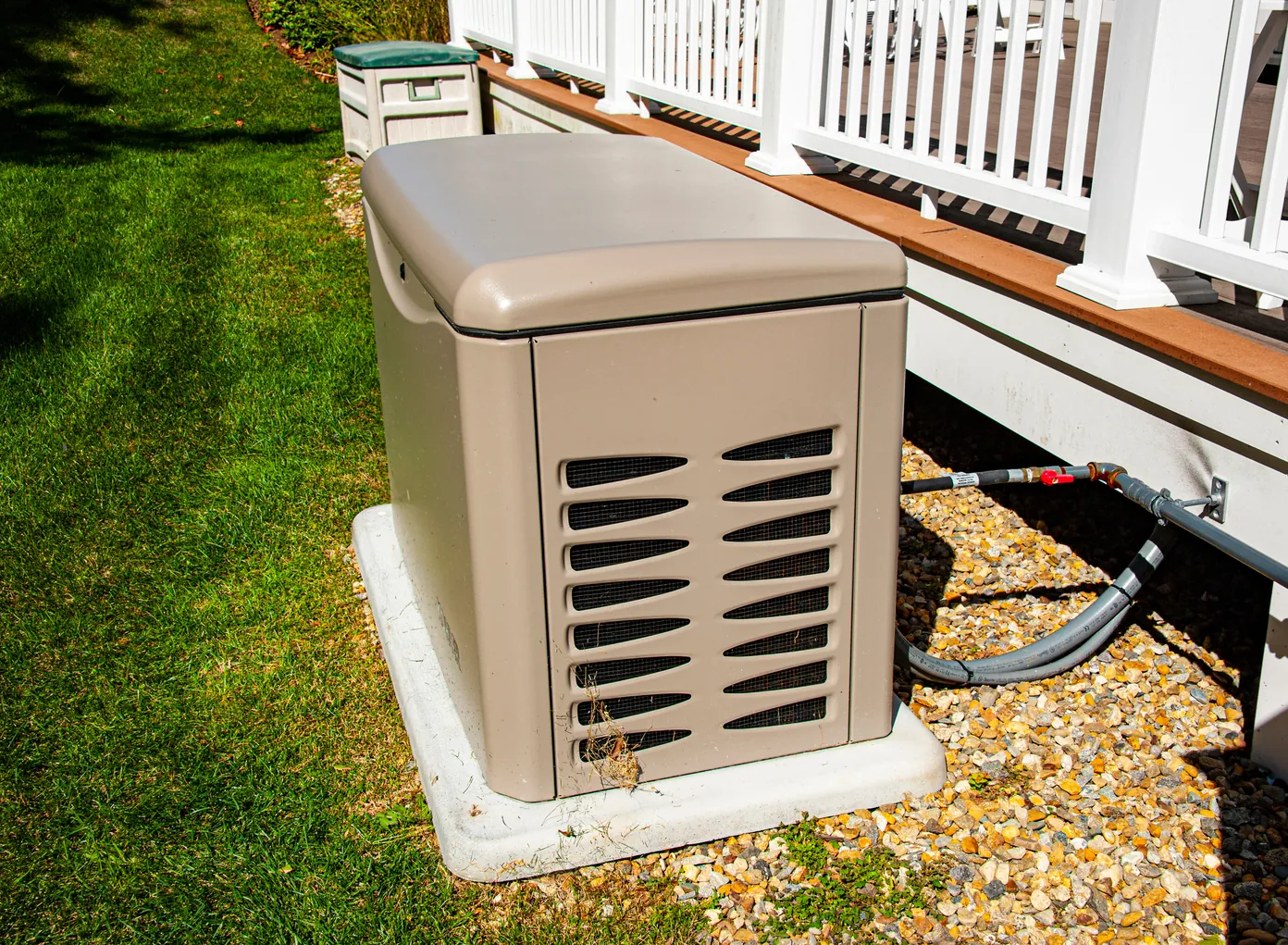
Whole-Home Generators
A Generac generator keeps your heat and lights running during an outage.
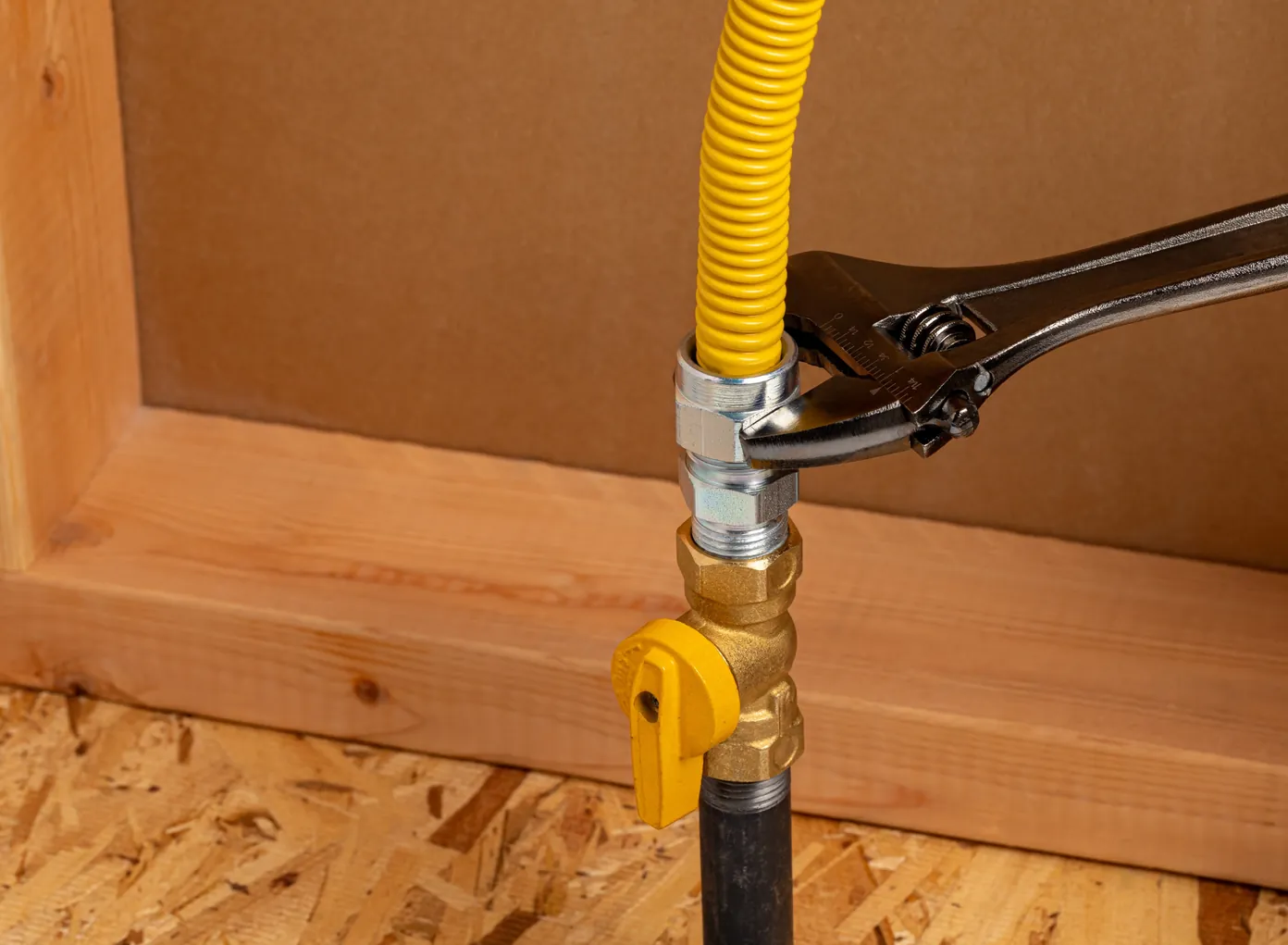
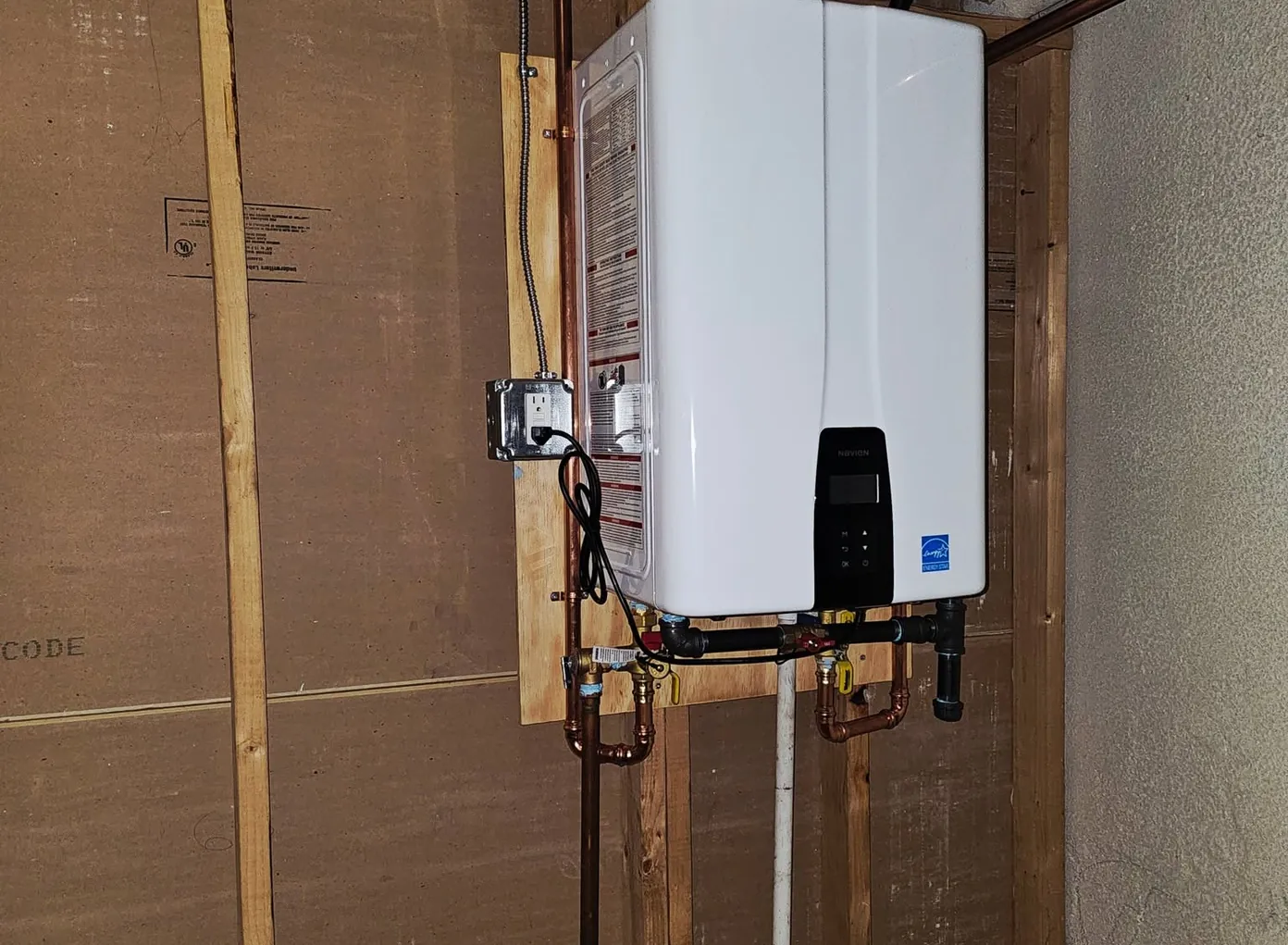
Tankless Water Heaters
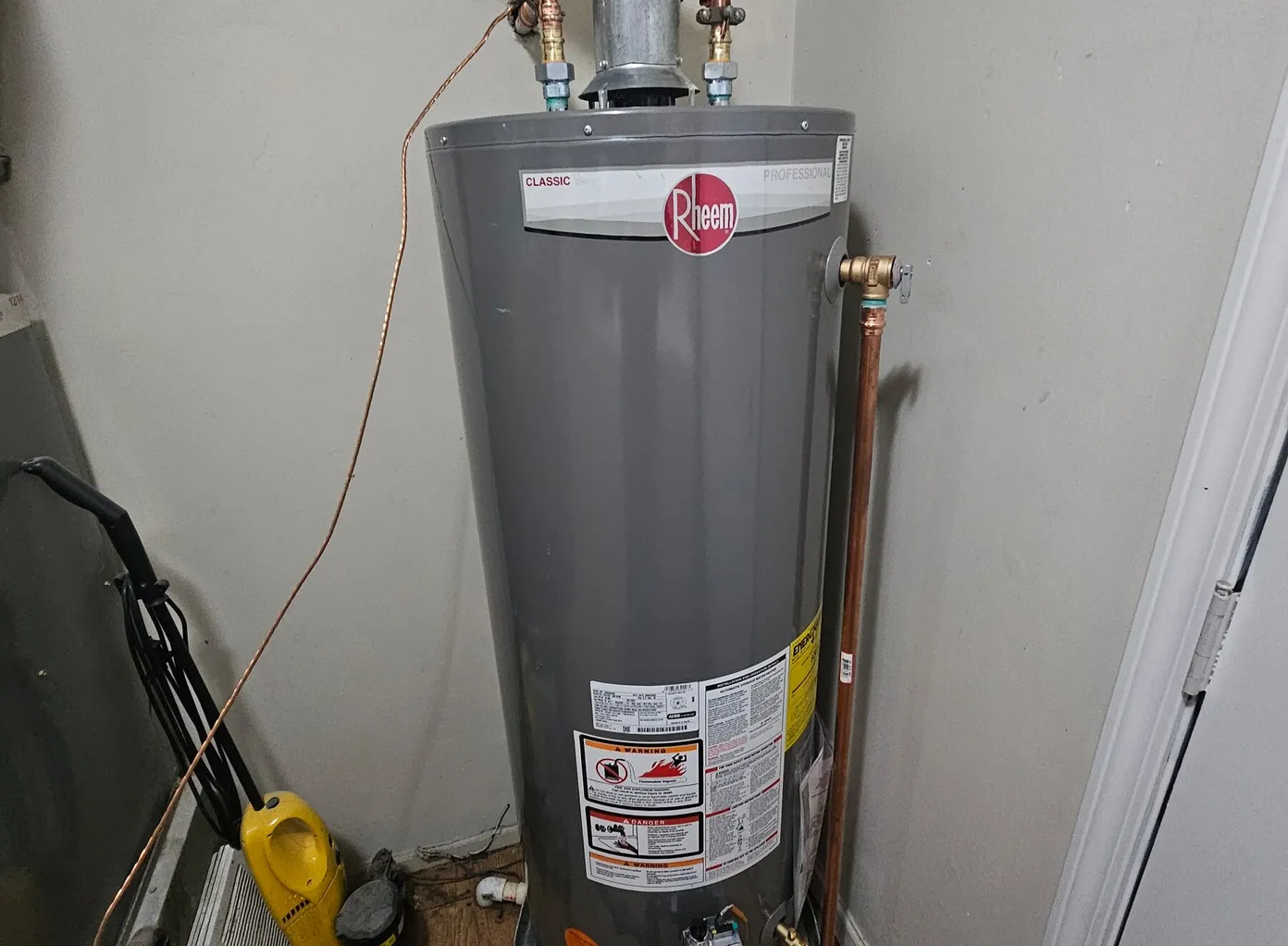
Navien tankless water heaters that heat water on demand.
Rooftop Units
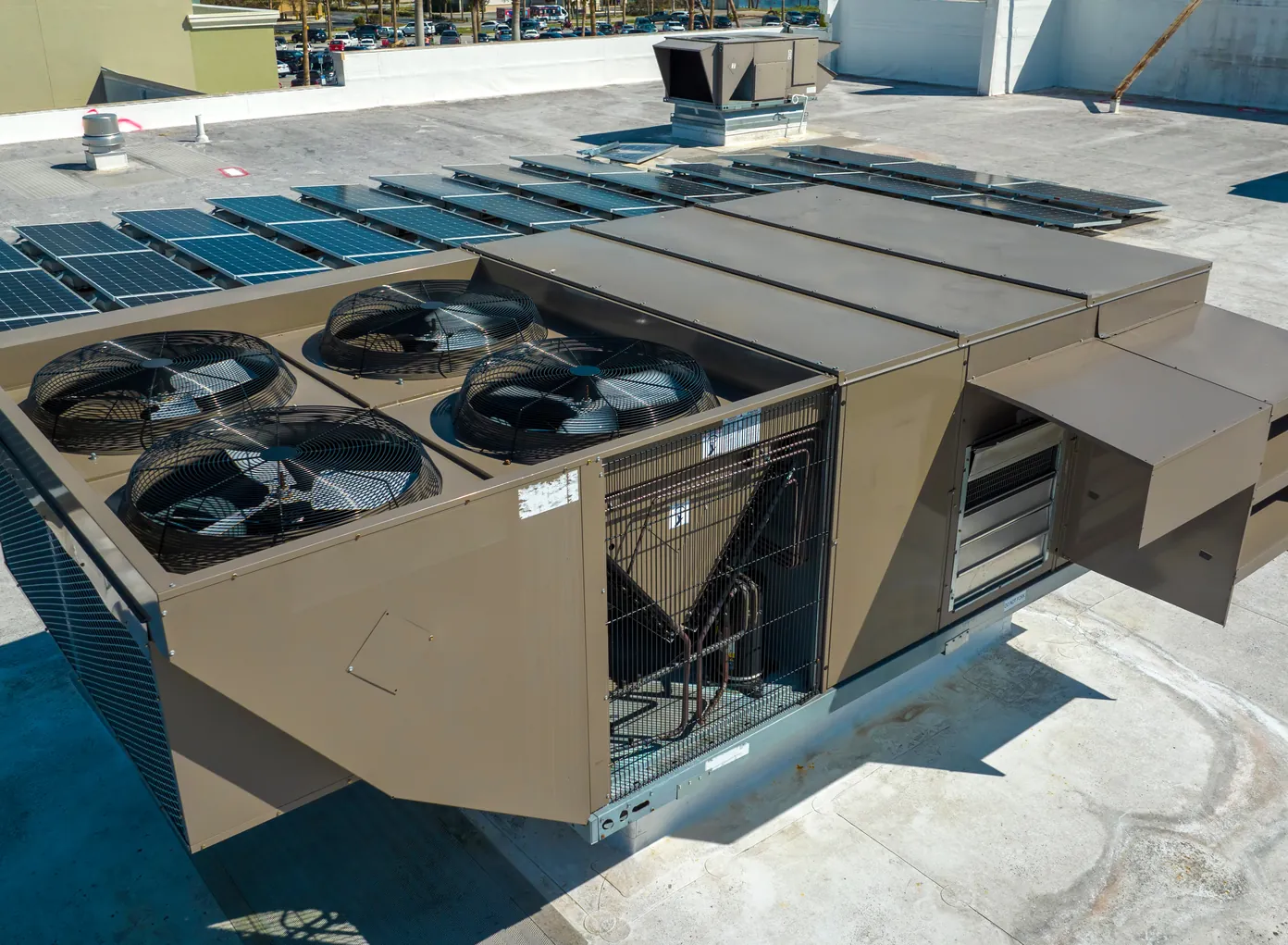
Light commercial HVAC service for rooftop units up to 25 tons.
Indoor Air Quality
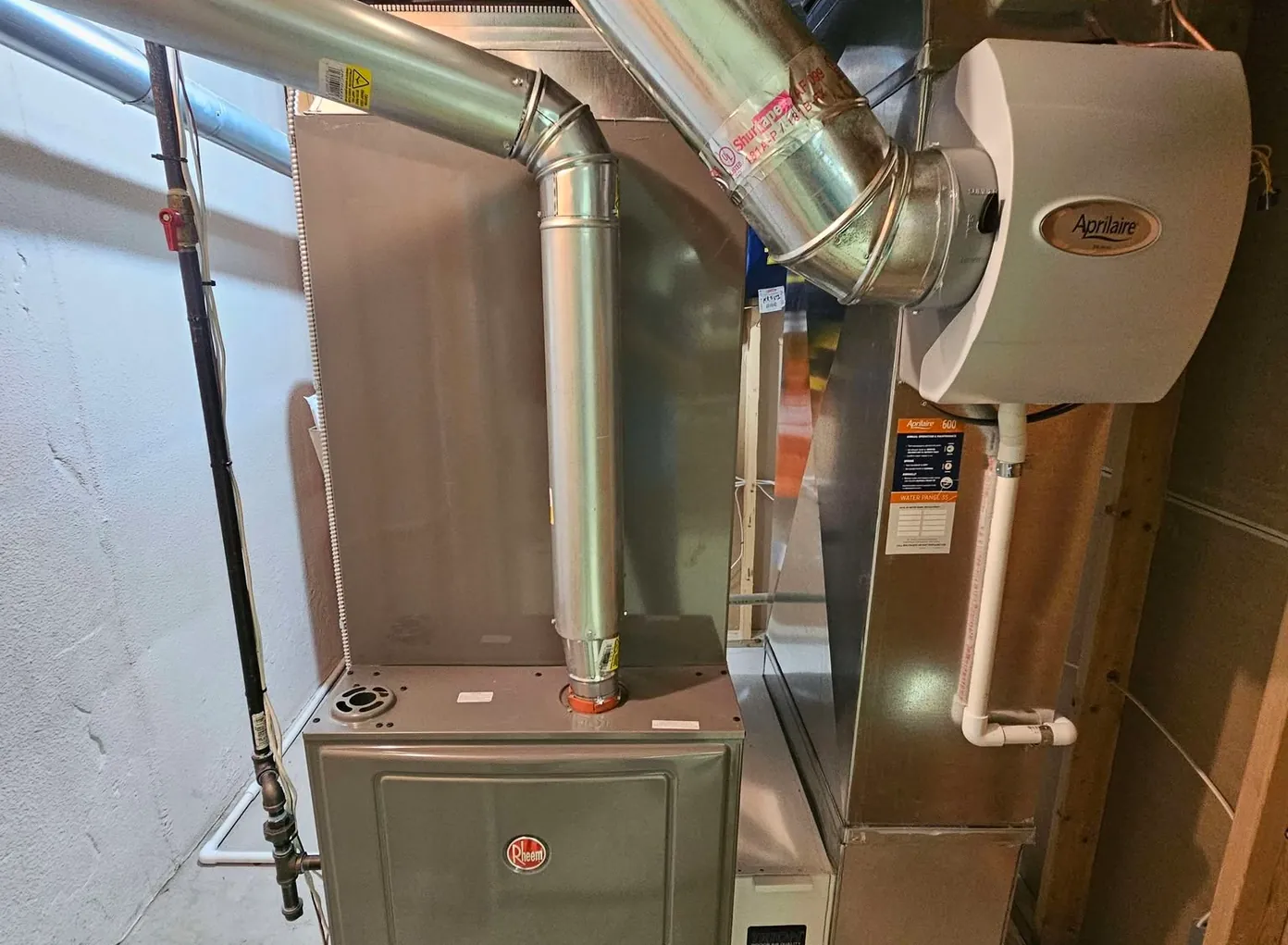
Filtration, air purification, ventilation, UV treatment, and humidity control.

Customer Reviews
Read Reviews on Google (opens in a new tab)What Our Customers Say
Our neighbors' feedback means everything to us. Read what homeowners across the area have to say about working with Degree Heating and Cooling.
Our Service Towns
Packaged System Repair Beyond Lenox
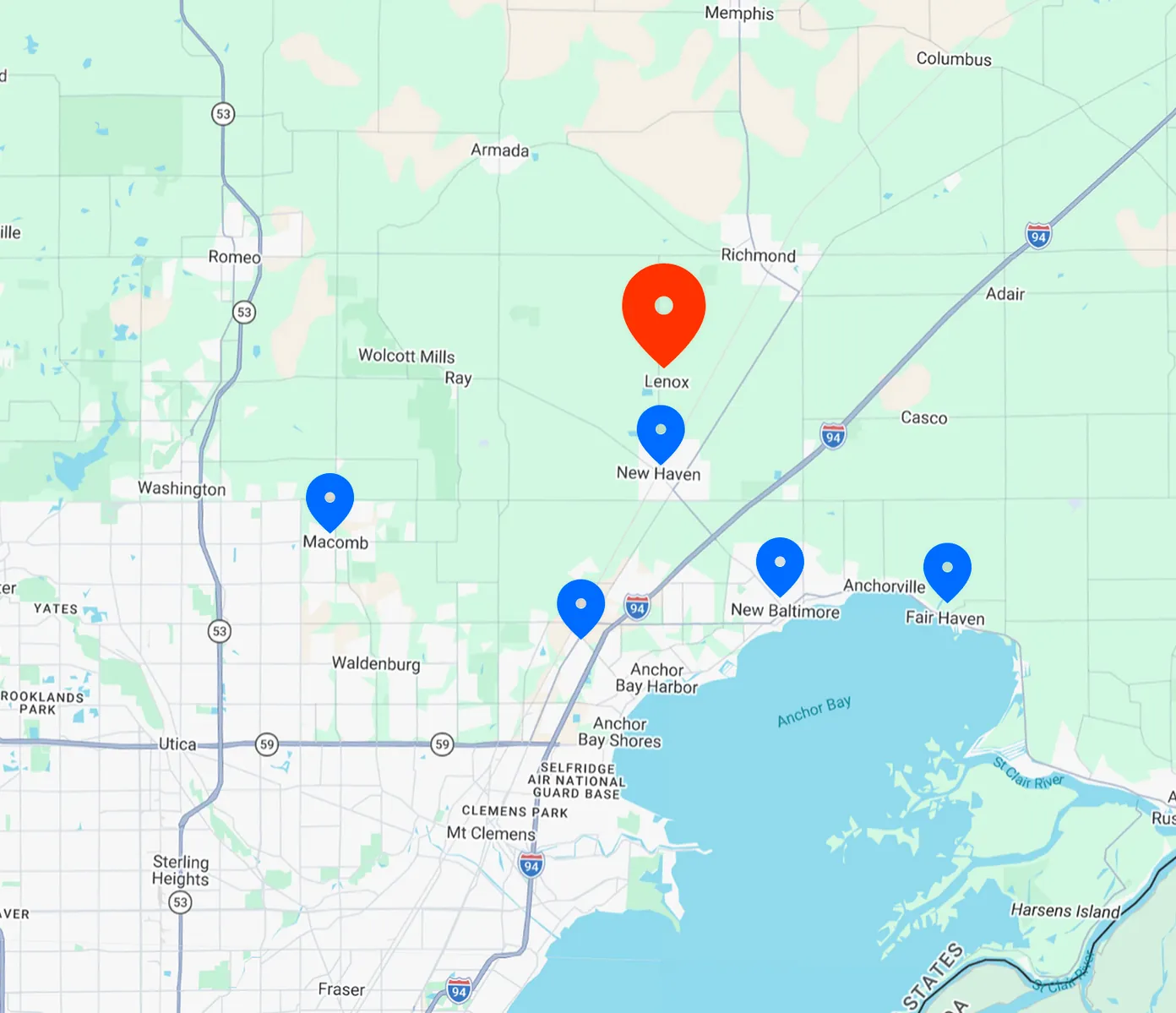
We are based in Lenox and repair packaged systems in the communities below. Our service area overview explains our full coverage, and each town has its own local page.
Don't See Your Location?
Don't see your town listed? We also help homeowners in neighboring communities around Lenox. Give us a call and we'll let you know if we can reach you.
- Honest, Transparent Service
- BBB Accredited
- Locally Owned & Operated
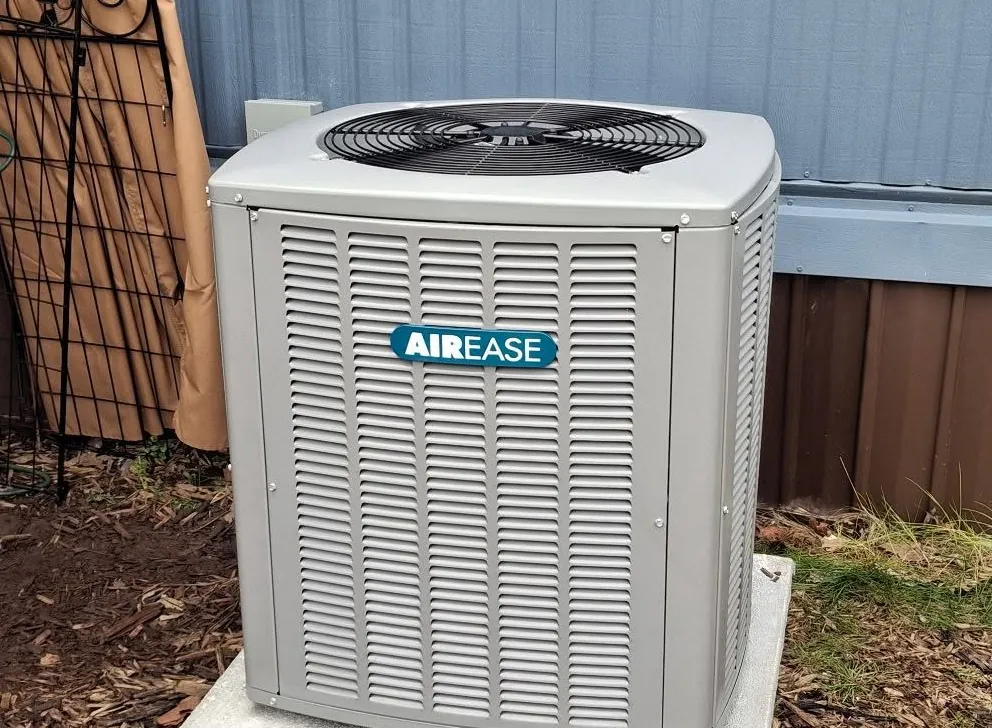
- AirEase & Samsung Systems
- Flexible HVAC Financing
Next Steps
Reach a Lenox Packaged System Contractor
A packaged system is a long-term part of how your home stays comfortable, so the repair decision deserves the same care as the equipment itself. Whether you are chasing an uneven room, a noise you cannot place, or a cabinet that runs without keeping up, we want you to understand each finding before you approve any work. Our locally owned business and BBB Accreditation shape how we handle every visit, and we aim for clear, honest answers at each step. You should never feel rushed into a decision about your home's comfort system. Many owners reach out after a system seems to work in one mode and struggle in the other, and that is exactly the pattern our two-mode testing is built to sort out.
If a repair points toward replacement, our financing options can help you plan that investment over time with our partners Hearth, Service Finance, and GoodLeap. Each partner has its own application process and terms, so review them directly before you decide. Financing can spread the cost of a larger replacement, while a targeted repair may need no financing at all. Once a repair is complete, the written summary gives you a reference for future service calls, and our maintenance plan option is there if you prefer scheduled care.
Tell us what your packaged system is doing, which rooms feel uneven, and any recent repairs, and our team will confirm the next step with you. We serve Lenox and the communities around it, and you are welcome to reach out with questions about your repair or our coverage area. Whatever the answer turns out to be, you will know the cause, the options, and the reasons behind each recommendation before you decide.