


Heating Repair and Tune-Ups
Furnace Repair & Maintenance in Lenox, MI
When your furnace short cycles, bangs on startup, or leaves some rooms colder than the rest of the house, you need a clear diagnosis before anyone replaces a part.
Why Lenox Households Call Us
A Heating Company That Tests Before It Recommends
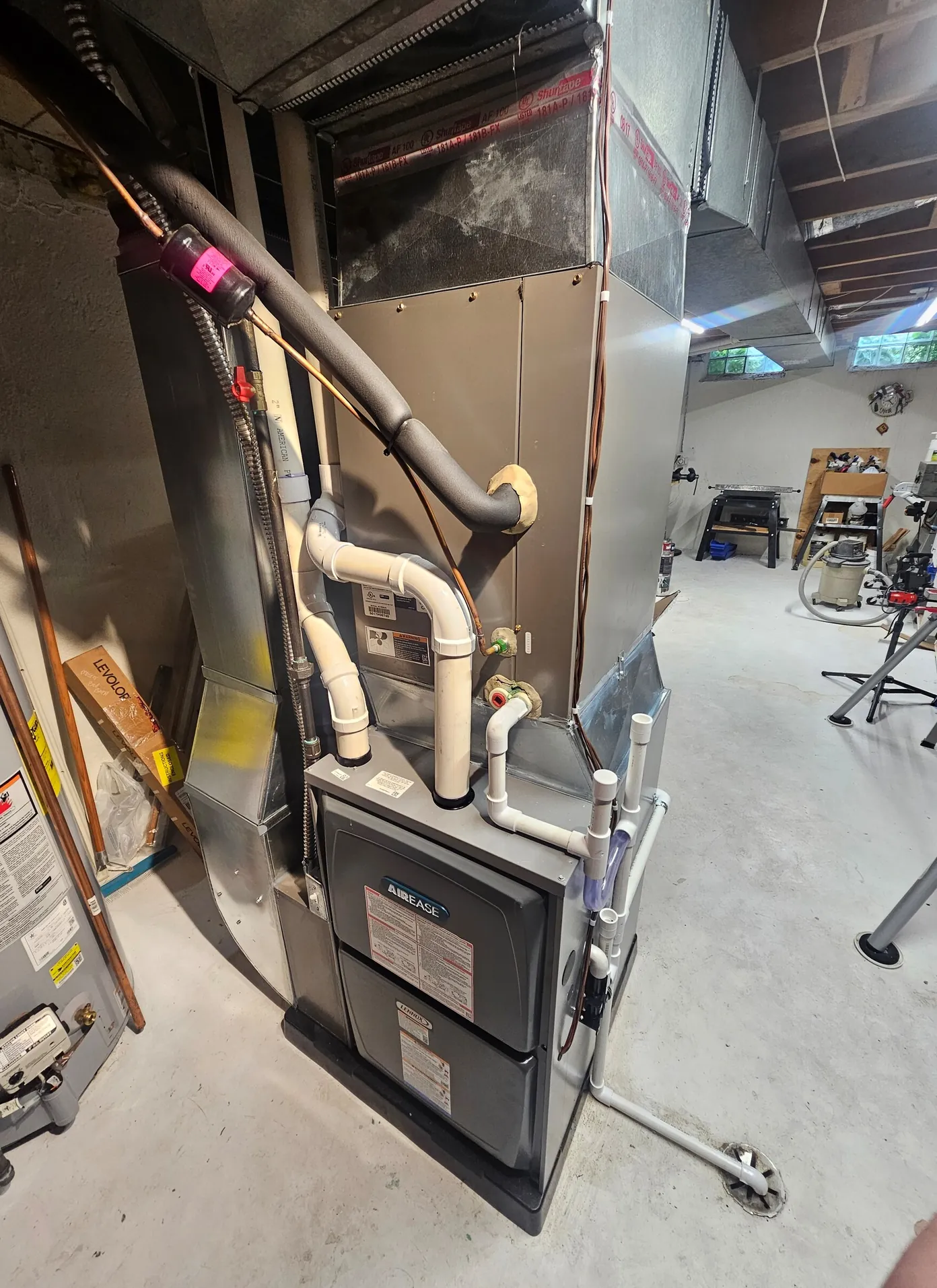
Degree Heating and Cooling is a locally owned and operated company in Lenox, Michigan, and we repair furnaces for homes in Lenox and nearby towns. Our technicians test the ignition, the safety controls, and the airflow, then explain what they find.
Local Accountability for a Furnace That Heats Your Family
A furnace failure usually lands in the middle of cold weather, and the people you call should answer for their work. Degree Heating and Cooling is locally owned and operated, so our technicians serve the same community they live in. That accountability shapes how we test, document, and explain every repair on a heating system.
Accredited Standing You Can Check
We are BBB Accredited, which gives you a public reference point before you approve any work on your furnace. We do not ask you to take our word alone. You can read about our background on our about page before you schedule a visit.
Ignition and Safety Testing Comes First
Furnaces fail for several reasons that produce similar symptoms, such as a weak flame sensor, a failing inducer motor, or a tripped limit switch. We test the ignition and safety controls before recommending any component. You receive a plain account of the fault and the choices it leaves you.
Repairs Limited to What the Tests Confirm
We replace only the components the readings support. When a furnace can return to safe, reliable operation with a targeted repair, we say so. When a major component such as the heat exchanger shows damage, we explain the risk and outline your options.
Tune-Up Work Alongside Every Repair
Our technicians can complete the cleaning and inspection work a tune-up requires during the same visit that addresses a breakdown. Your furnace receives attention before a small fault becomes a winter failure. If you want scheduled care after a repair, review our maintenance plans.
Written Findings You Can Keep
After the work, you receive the test readings, a list of any parts we replaced, and any warranty paperwork the manufacturer provides. Records like these help you understand how your furnace is performing and make future service decisions with confidence. Send us your questions before you schedule.
Describe the Problem
Tell Us What Your Furnace Is Doing
Use the contact form to describe the symptoms you have noticed, such as cycling, uneven heat, odd smells, or a burner flame that looks wrong. Note when the problem appears and whether it happens at startup, during long run times, or both. Our technicians come to your home to test the furnace, so there is nothing you need to bring to us. If you are still weighing a repair against a new system, compare furnace installation options, read the furnace overview, or review air conditioning repair for the cooling side of the same home.
Symptoms to Watch For
What Your Furnace Is Telling You
Short Cycling Between Heating Calls
The burners start, shut off, and restart within a few minutes instead of running steadily. Short cycling often comes from an overheating limit switch, a dirty flame sensor, a clogged filter, or restricted airflow. Each cause produces a similar pattern, so we measure temperature rise and the safety sequence before choosing a repair.
Delayed or Rough Ignition
If the burners take a long time to light, or they catch with a loud bang or a rumble, the ignition sequence may be out of step. Weak igniters, a dirty burner assembly, and gas pressure problems can all cause this. We check the ignition components and the gas supply before recommending a repair, because a delay that repeats each startup tends to worsen when it is ignored.
Yellow or Flickering Burner Flame
A healthy gas burner shows a steady blue flame. A yellow, flickering, or lifting flame can point to incomplete combustion, a dirty burner, or a problem with the air reaching the burners. Incomplete combustion is a safety concern, so we inspect the burners and the combustion air path, then correct the cause we find. Do not ignore a flame that looks wrong, even if the furnace still produces heat.
Blower Noise or Weak Airflow
Squealing, rattling, or grinding from the blower compartment can mean a worn motor bearing, a loose belt or pulley, or a failing capacitor. Weak airflow at the registers can also come from a clogged filter or a collapsed duct. We inspect the blower, the motor, and the ductwork together so the repair addresses the real restriction.
Burning or Musty Odors That Persist
A brief dusty smell is common when a furnace first runs after a long rest, as dust on the burners burns off. A burning, electrical, or musty odor that lingers is different, and it can come from a failing motor, a wiring fault, or moisture. We investigate the source rather than masking it.
Rooms That Stay Cold or Uneven
When some rooms stay cold while others run warm, the cause may lie in the furnace or in the duct system. A failing blower, a restricted return, or a leaking duct can keep heat from reaching the rooms that need it. We measure supply temperatures at several registers so the diagnosis reflects the whole air path.
Furnace Services We Perform
Repairs and Tune-Ups We Handle for Furnaces
We cover the parts that most often cause heating faults, plus seasonal care.
Igniter and Flame Sensor Service
Weak igniters and dirty flame sensors cause delayed lighting and repeated shutdowns. We test both and clean or replace them as the readings require. Ask About Ignition Service.
Blower Motor and Capacitor Repair
Failing blower parts reduce airflow and strain the whole furnace. We check the motor, capacitor, and belt where one applies. Review Your Blower Concerns.
Inducer Motor Testing
A failing inducer can shut the furnace down for safety, because it moves combustion gases through the venting. We test its operation and recommend repair when the readings call for it. Discuss Inducer Testing.
Limit and Pressure Switch Checks
Safety switches stop the furnace when conditions leave safe limits. We test each switch to learn whether it responds correctly or whether airflow or venting is the true cause. Schedule a Safety Control Check.
Gas Valve and Burner Service
Flickering, unevenly lit, or non-igniting burners may need cleaning or valve service. If the trouble traces to the supply line, our gas piping services cover that work. Request Burner Service.
Heat Exchanger Inspection
Heat exchangers can crack or corrode over time, and damage there is a safety matter. We inspect carefully and explain what the findings mean. Book a Heat Exchanger Inspection.
Thermostat and Control Board Repairs
Thermostat faults and control board problems can make a furnace run at the wrong times or not at all. We verify settings, test wiring, and repair what needs attention. Get Help With Control Problems.
Pre-Winter Tune-Ups and Maintenance Visits
A tune-up cleans and inspects the burners, flame sensor, filter, and venting path before heating demand rises. Regular visits catch wear early. Book a Pre-Winter Tune-Up.
Related Comfort Systems
Keep the Rest of Your Home Comfortable Year-Round
Many homes depend on more than one comfort system, and the same diagnostic discipline applies across them. These related services can help you plan the rest of your home.
- Mini-split repair and maintenanceDiagnostic testing and tune-ups for ductless systems that supplement or replace central heat.
- Packaged system repair and maintenanceService for homes that run heating and cooling from a single outdoor cabinet.
- Heat pump repair and maintenanceTesting and repair for ducted heat pump systems that heat and cool from one unit.
- Indoor air quality solutionsFiltration, humidification, dehumidification, and ventilation options that work alongside heating equipment.
- Whole-home generatorsGenerac generator options for households that want backup power.
Our Furnace Service Sequence
Testing the Furnace in the Order Safety Requires
A reliable furnace repair begins with measurements, not guesses. Each stage below narrows the cause, and the safety checks come before any other work.
Confirm the Symptoms and the Equipment
Every visit starts with the history of the problem, because timing and pattern often point toward the cause.
- Record when the problem began and whether it happens at startup, during long runs, or both
- Note the thermostat settings and any recent changes to the schedule or controls
- Ask about recent repairs, power interruptions, or filter changes in the home
- Gather the make, model, and approximate age of the furnace when that information is available
- Describe any odors, noises, or flame behavior you have observed
Check the Safety and Ignition Controls
Safety controls protect the household, so we test them before any other component.
- Inspect the flame sensor and clean any buildup that interrupts the flame signal
- Check the igniter or pilot assembly and confirm it lights reliably
- Test the limit switch and the pressure switch for correct operation
- Verify the gas valve sequence and the control board's response to a heating call
- Confirm the thermostat wiring and low-voltage circuit deliver the correct signal
Inspect Combustion, Venting, and Airflow
Combustion and airflow determine whether the furnace heats safely and efficiently, so we measure both.
- Examine the burner flame color, pattern, and alignment for signs of poor combustion
- Check the inducer motor, the venting path, and the combustion air supply for restrictions
- Inspect the heat exchanger for cracks, corrosion, or soot that point to a safety concern
- Measure temperature rise across the furnace and compare it with the expected operating range
- Evaluate the filter, blower, and ductwork for restrictions that limit heat delivery
Present the Repair Options and Complete the Approved Work
We explain the findings before any repair begins, and we carry out only the work you approve.
- Explain each repair option, what it corrects, and what it will not address
- Replace only the failed components that the test results confirm
- Clean burners, sensors, and blower components when cleaning restores proper operation
- Use replacement parts that match your furnace and its operating conditions
- Begin work only after you have reviewed the plan and agreed to it
Verify Operation and Leave Written Test Data
The visit ends with measurements and records that show the furnace is operating as it should.
- Run the furnace through complete heating cycles and record the temperature readings
- Confirm ignition, flame color, and safety control response after the repair
- Check that the blower and airflow perform within the normal operating range
- Provide a written summary of the findings, the work performed, and the test readings
- Provide manufacturer warranty paperwork for any replaced part where the manufacturer offers it
- Recommend whether a pre-season tune-up would help before the next heating season
Homeowner Questions
Furnace Repair and Tune-Up Questions, Answered
Short cycling usually comes from an overheating limit switch, a dirty flame sensor, a clogged filter, or restricted airflow through the ductwork. Each cause can produce the same on-and-off pattern, so our technicians measure temperature rise and the safety sequence before choosing a repair. Once the cause is confirmed, we explain the fix.
A delay or bang at ignition usually means the burners are not getting gas or flame at the expected moment. Weak igniters, a dirty burner assembly, and gas pressure problems are common causes. We inspect the ignition sequence, then test the gas supply before recommending a part. A delay that repeats on every startup deserves attention.
A tune-up checks the parts that work hardest in cold weather. Our technicians clean the burners and flame sensor, inspect the igniter and safety switches, check the blower and filter, and examine the venting path. They also review combustion performance and the heat exchanger as far as it can be inspected safely. You receive a summary of the readings.
A healthy gas burner normally shows a steady blue flame. A yellow, flickering, or lifting flame can indicate incomplete combustion, a dirty burner, or an air supply problem. Incomplete combustion is a safety concern, so we inspect the burners, combustion air path, and venting before recommending a fix. Do not ignore a flame that looks wrong, even if the furnace still makes heat.
We inspect the heat exchanger visually wherever access allows, looking for cracks, corrosion, soot, and signs of overheating. We also review combustion readings and burner condition, since problems there can point toward the exchanger. If we find damage, we explain what it means for safe operation and outline your options. We will tell you plainly what the inspection shows.
A brief dusty odor is common when a furnace runs for the first time after a long rest, because dust on the burners can burn off. A persistent burning, electrical, or musty smell is different. It can come from a failing motor, a wiring fault, or moisture. We investigate the source rather than covering it up.
Describe the make and model when you contact us, and our team will tell you what we are able to support. Many repairs involve the same core parts, including ignition, safety controls, blowers, and thermostats. If a part is unavailable or the equipment is beyond a practical repair, we will say so before any work begins.
A furnace can run normally while heat fails to reach the rooms, which usually points toward airflow rather than combustion. A clogged filter, a restricted return, a leaking duct, or a failing blower can each block warm air. We measure supply temperatures at several registers and check the blower and ductwork. That shows whether the furnace or the distribution system needs the repair.
If you smell gas, leave the home and keep everyone outside. Once you are clear of the building, contact your gas utility from a safe location, and do not operate switches, appliances, or phones inside. Do not attempt to repair a gas leak yourself. After the gas supply is made safe, our team can inspect the furnace and its venting.
A maintenance plan arranges regular care on a set calendar, so tune-ups and inspections do not wait for a problem to appear. Homeowners who prefer to schedule service as needed can continue doing so without enrolling. Our plan details show what is included, so you can compare options with your routine. The maintenance plans page explains the full arrangement.
Our Services
Complete HVAC Services in Lenox and Nearby Communities
From the first warm day of summer to the coldest stretch of a Michigan winter, your home depends on equipment that works. As a full-service HVAC contractor, we install, repair, and maintain the systems that heat, cool, and supply hot water to homes across Lenox — plus the generators that keep everything running when the power goes out.
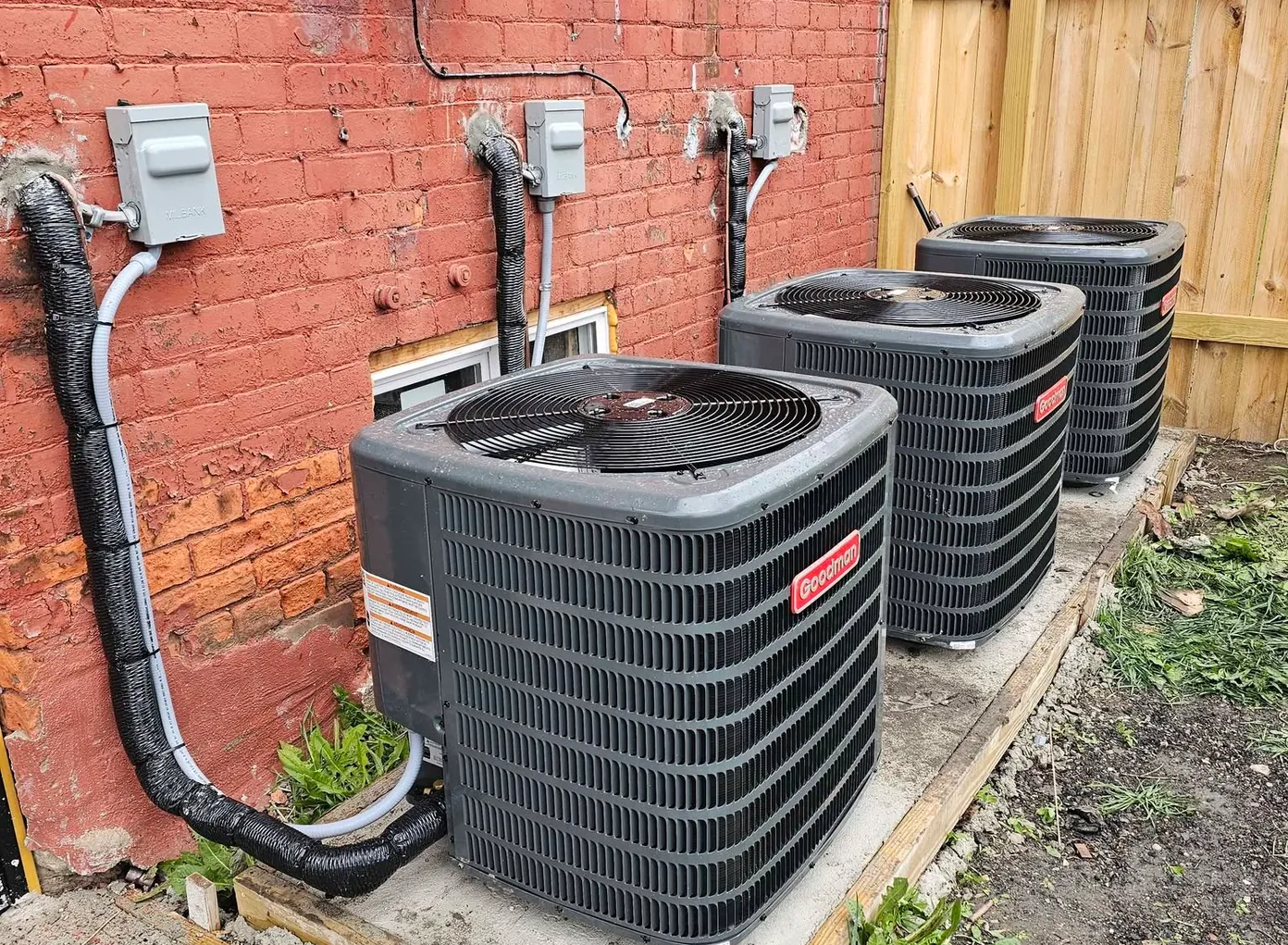
Heat Pump
A ducted heat pump heats and cools your home with one system.
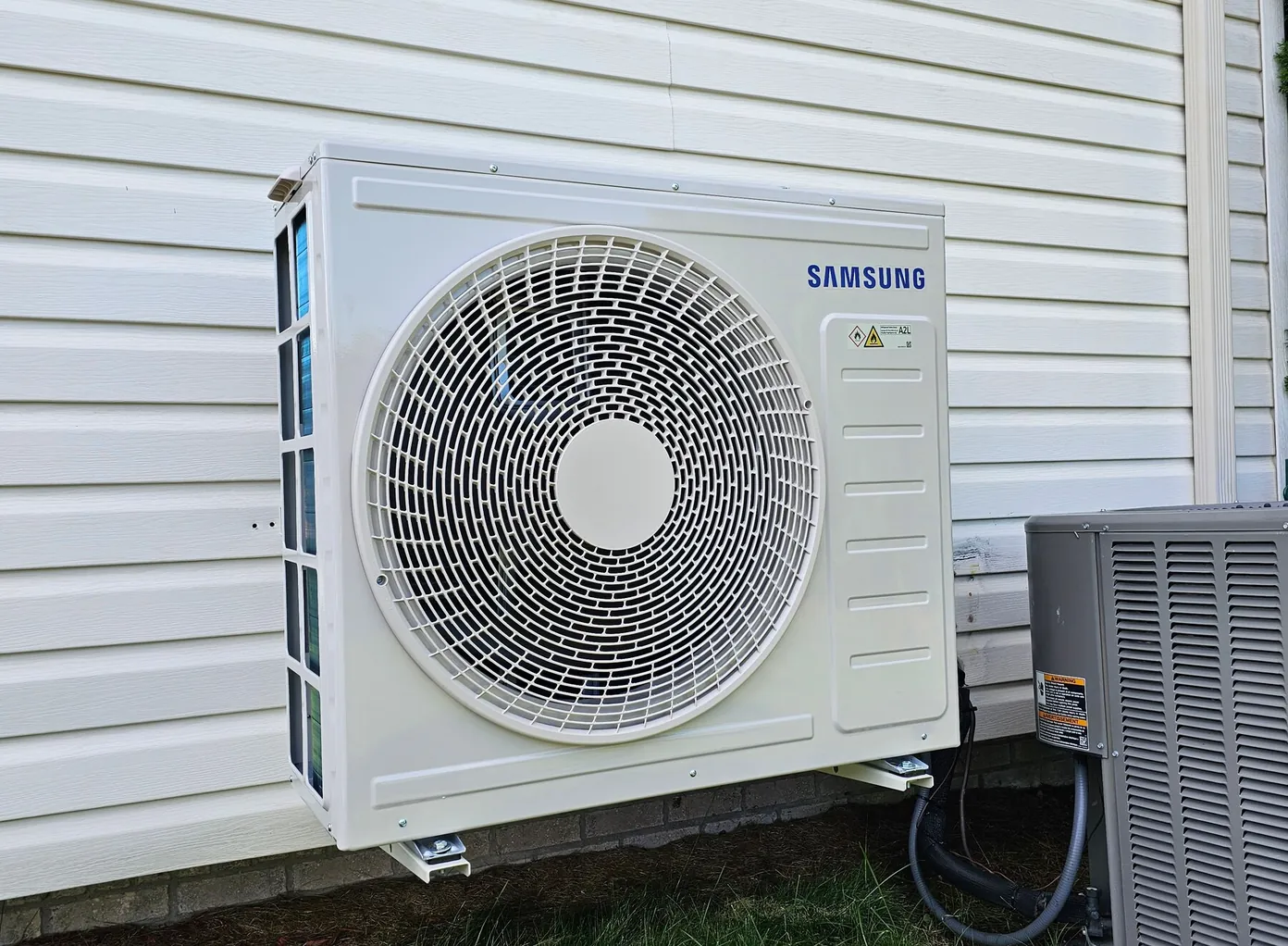
Mini-Split
Targeted comfort for additions and homes without ductwork.
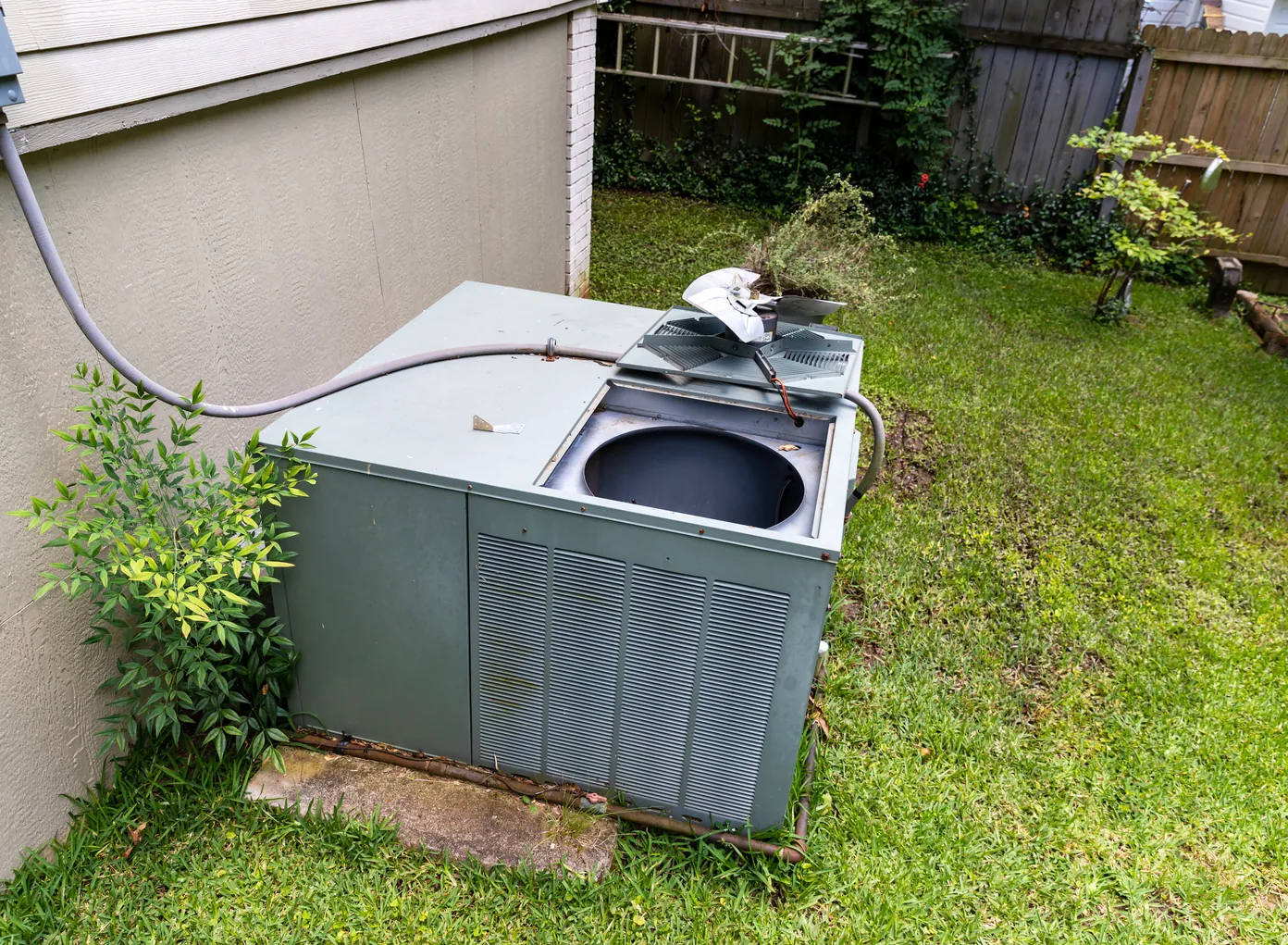
Package Residential
Heating and cooling in a single outdoor cabinet, saving indoor space.
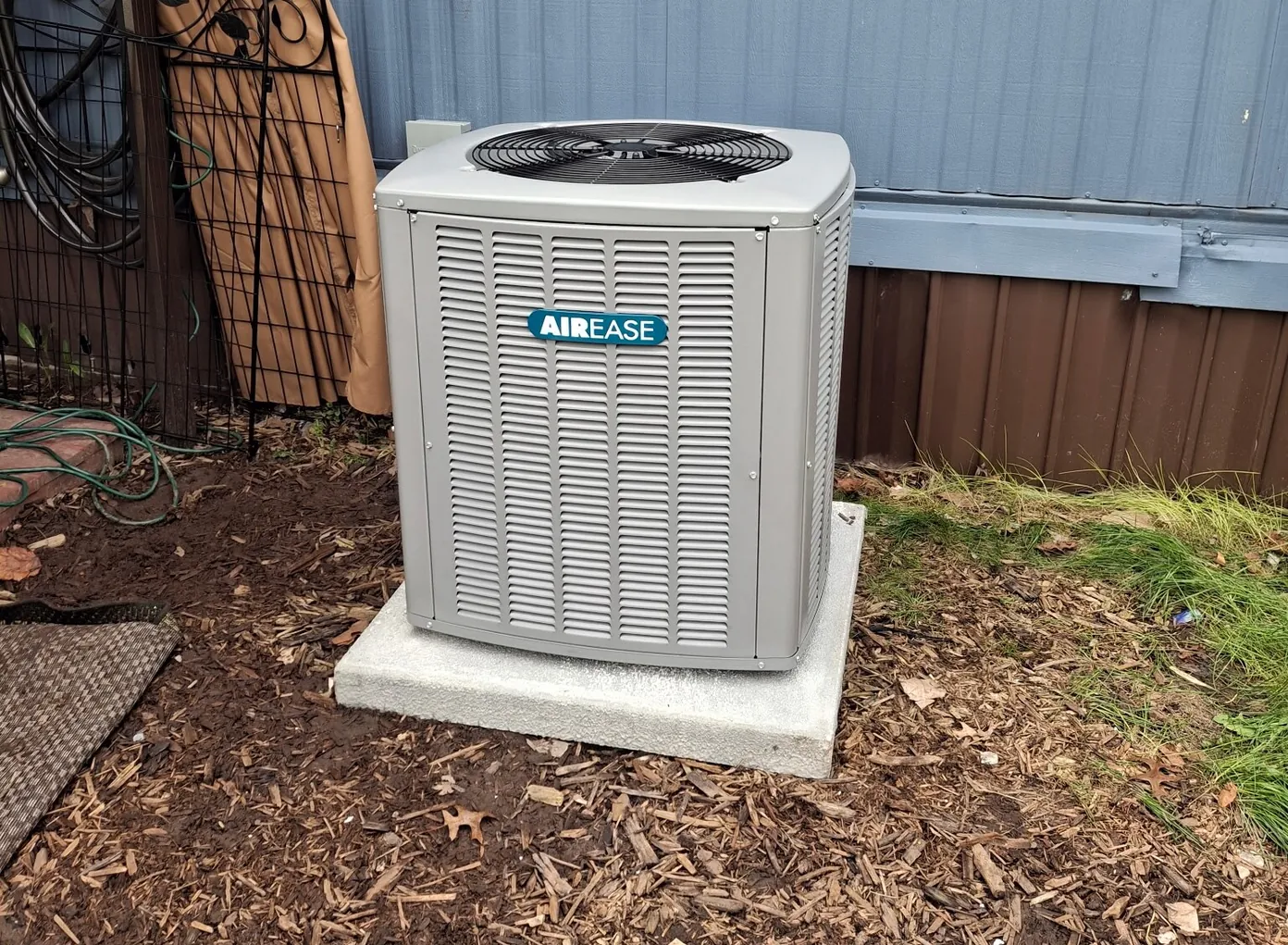
Mobile & Modular Homes
Heating, air conditioning, heat pumps, and water heating.
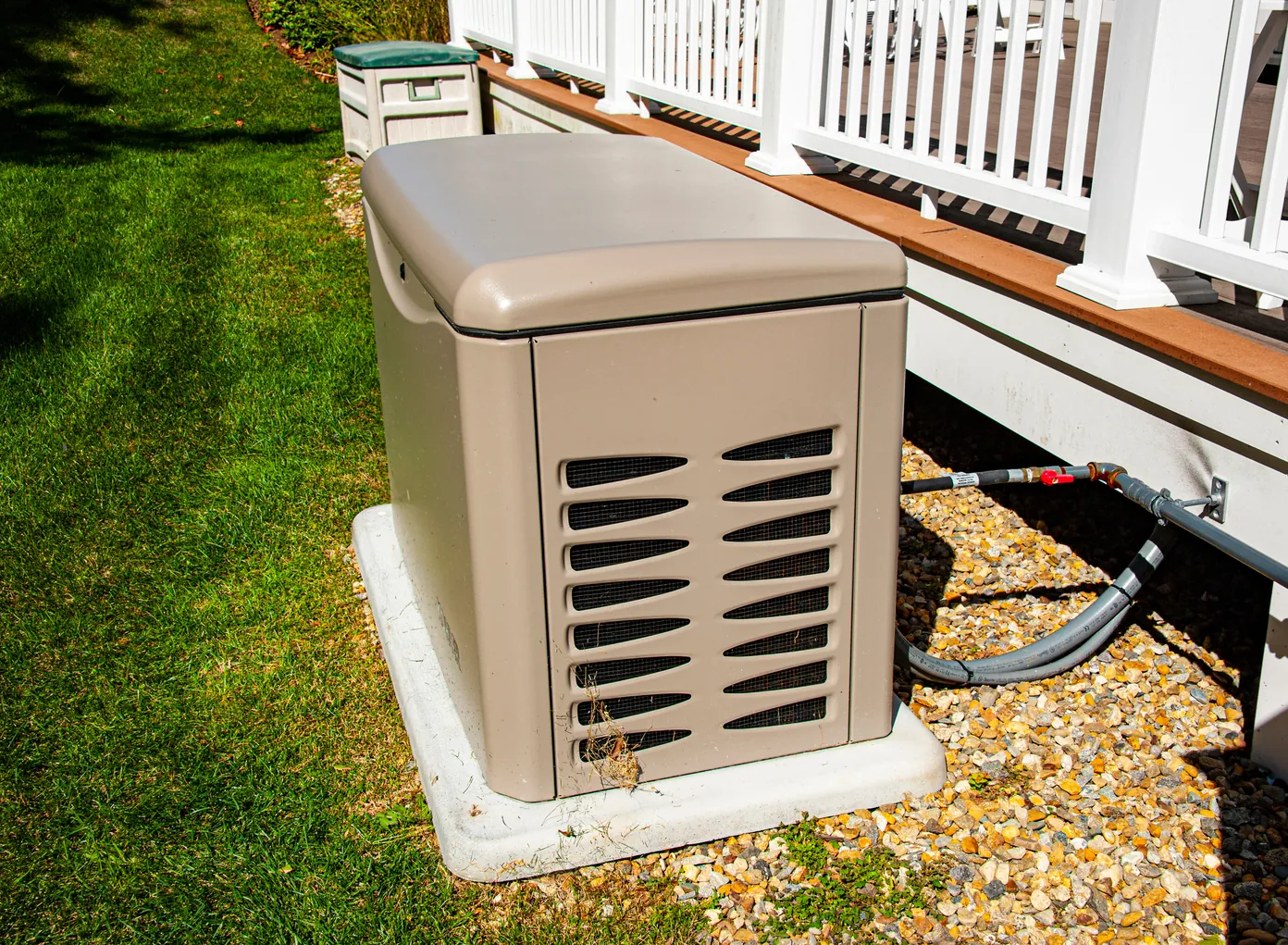
Whole-Home Generators
A Generac generator keeps your heat and lights running during an outage.
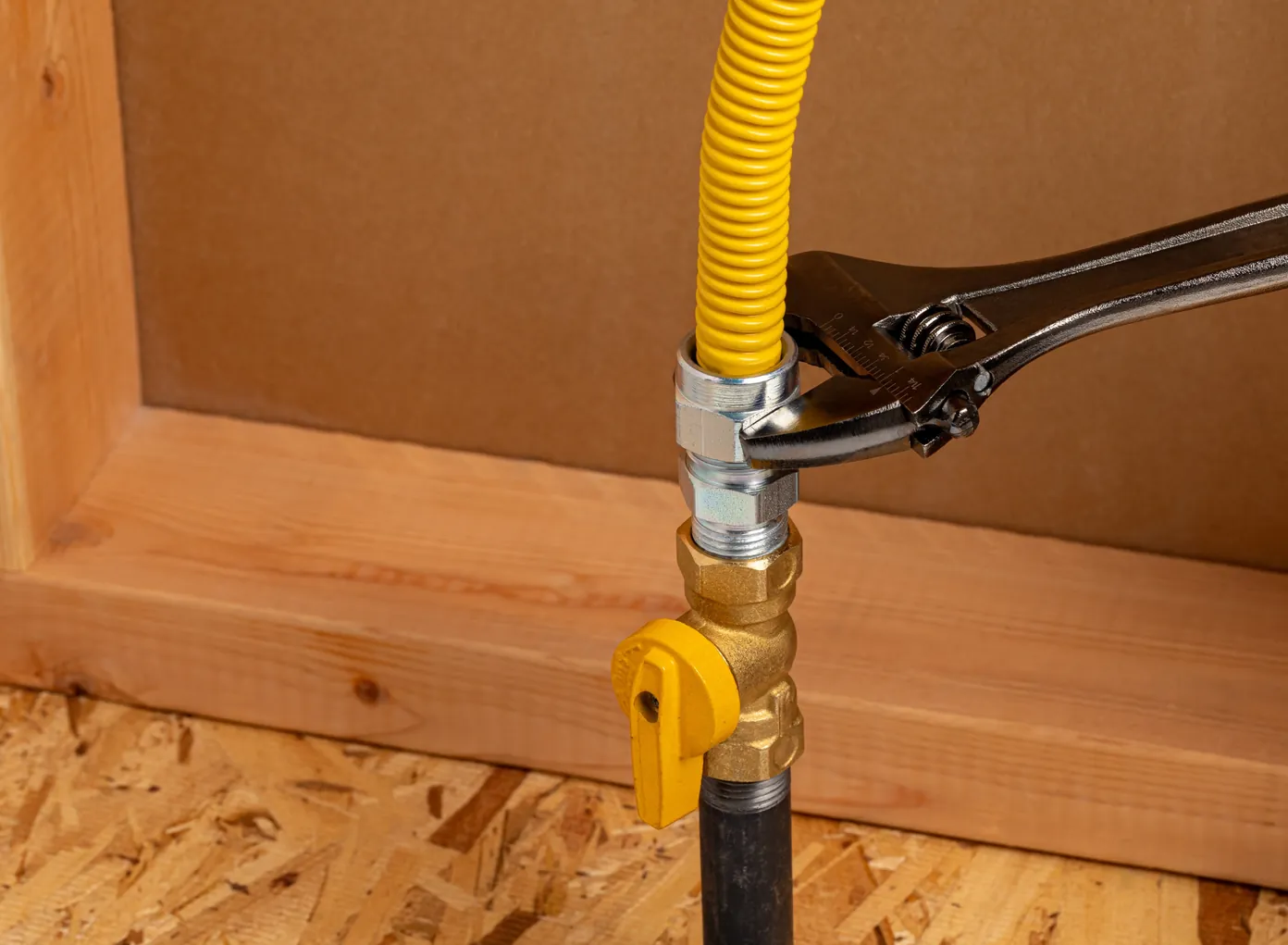
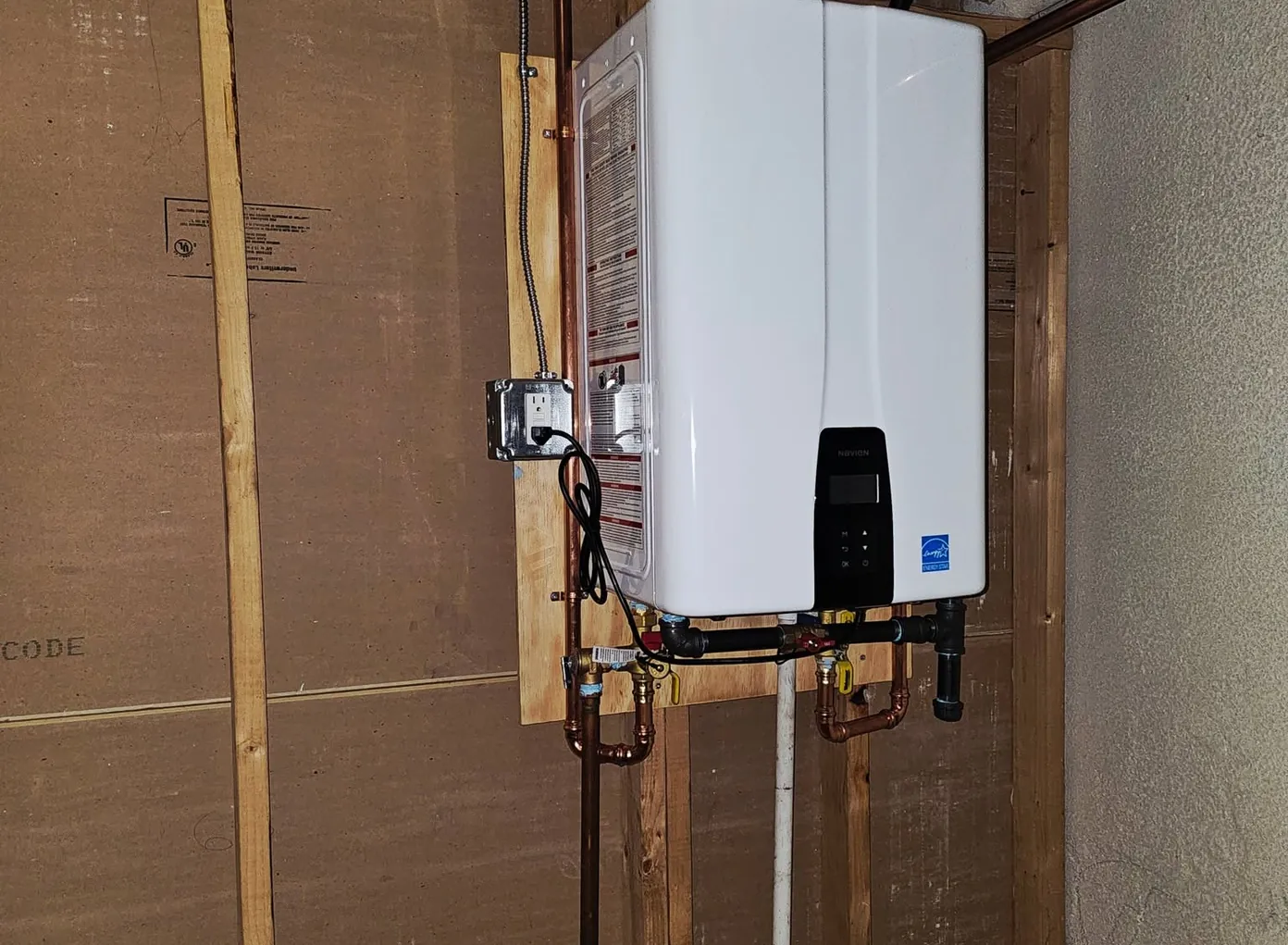
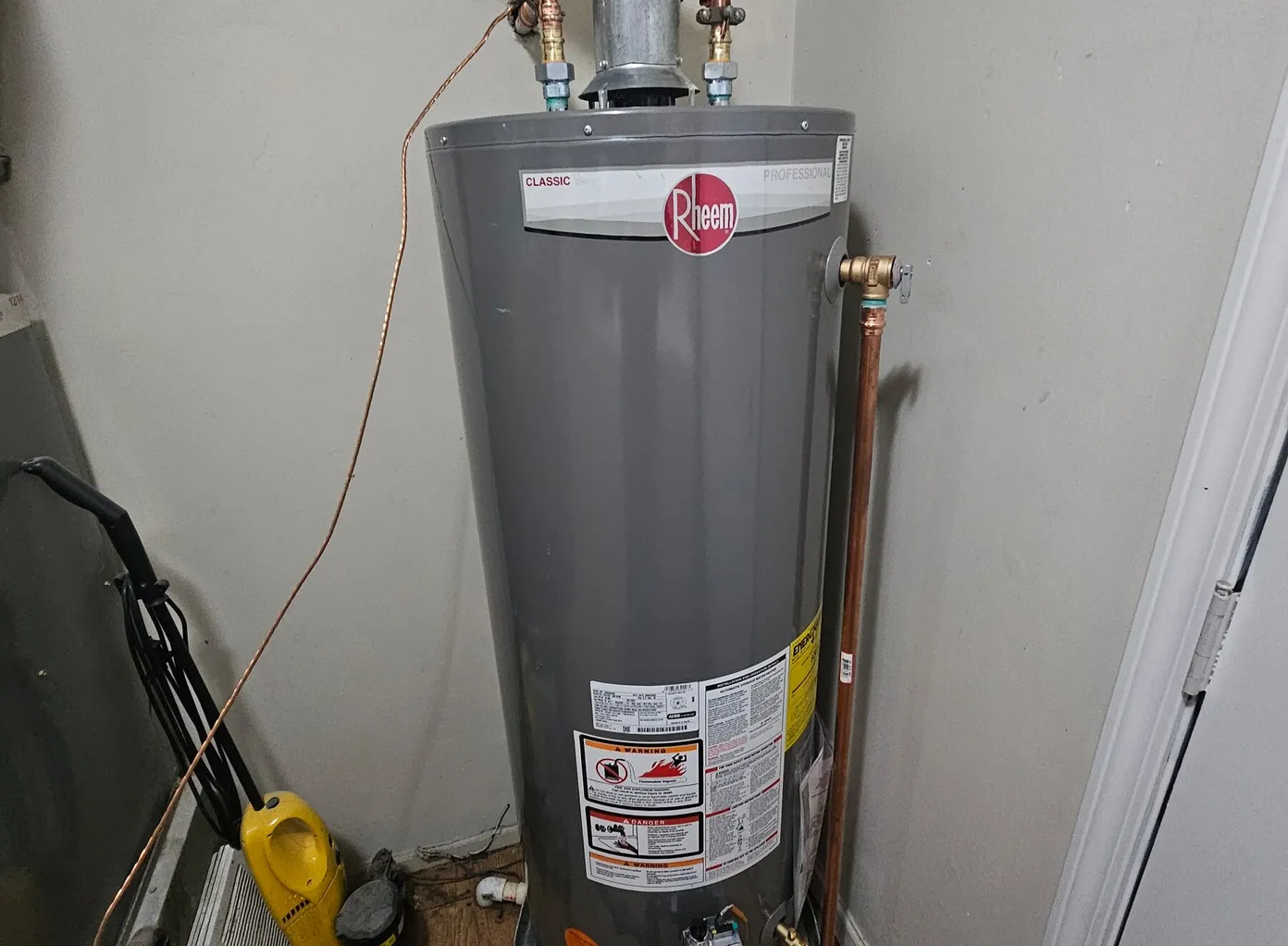
Tankless Water Heaters
Navien tankless water heaters that heat water on demand.
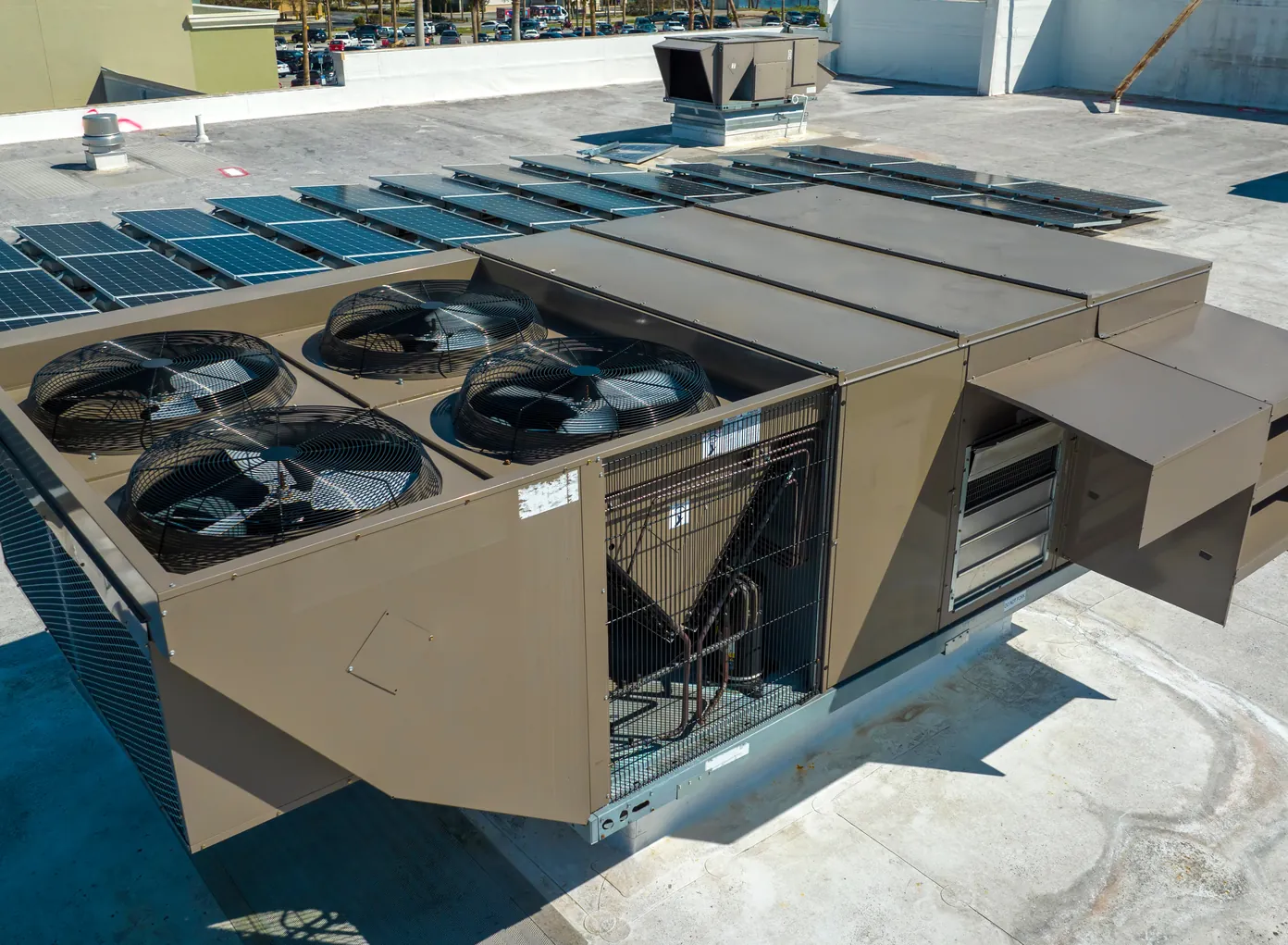
Rooftop Units
Light commercial HVAC service for rooftop units up to 25 tons.
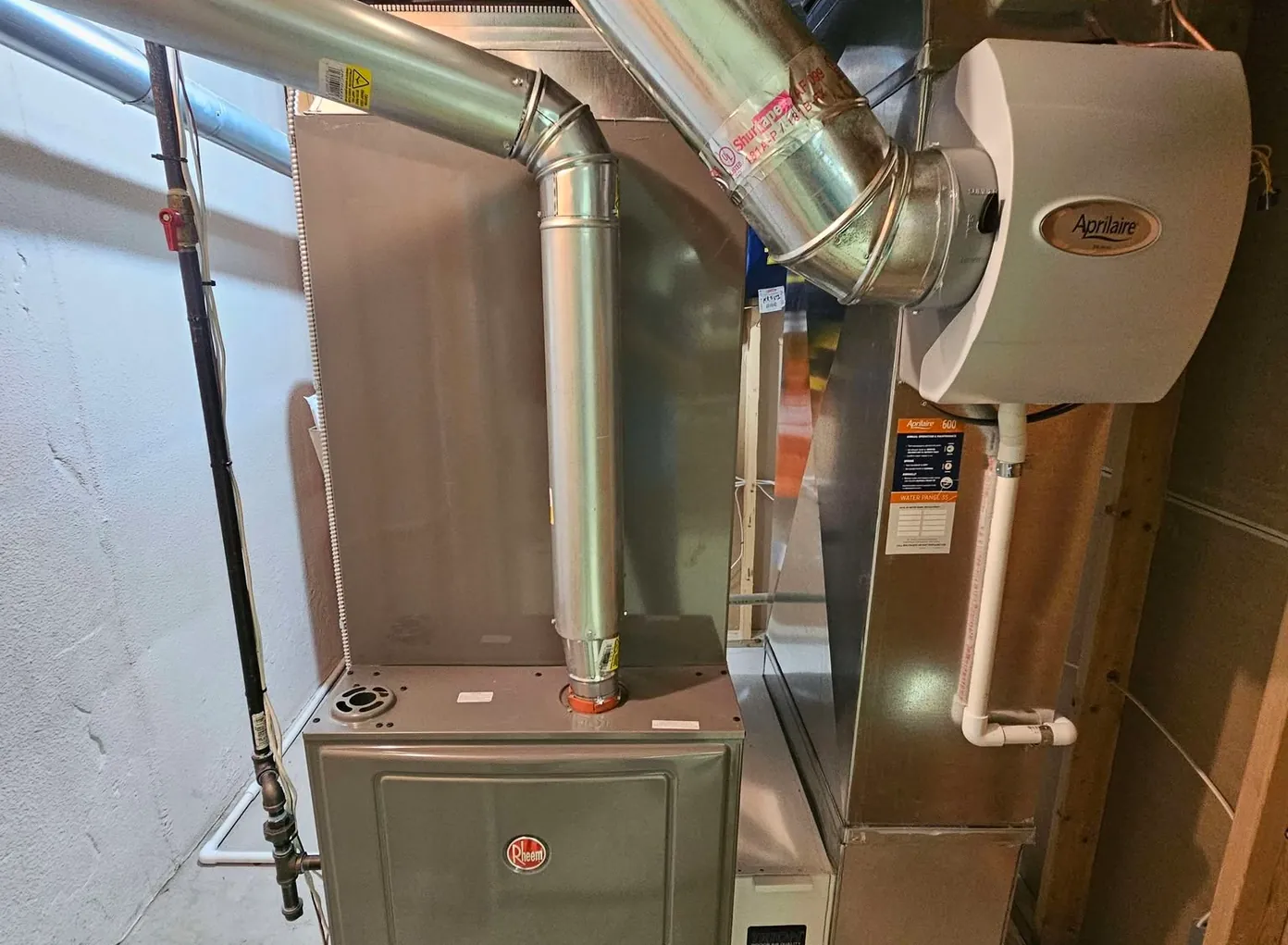
Indoor Air Quality
Filtration, air purification, ventilation, UV treatment, and humidity control.

Customer Reviews
Read Reviews on Google (opens in a new tab)What Our Customers Say
Our neighbors' feedback means everything to us. Read what homeowners across the area have to say about working with Degree Heating and Cooling.
Where We Repair
Furnace Repair Coverage Around Lenox
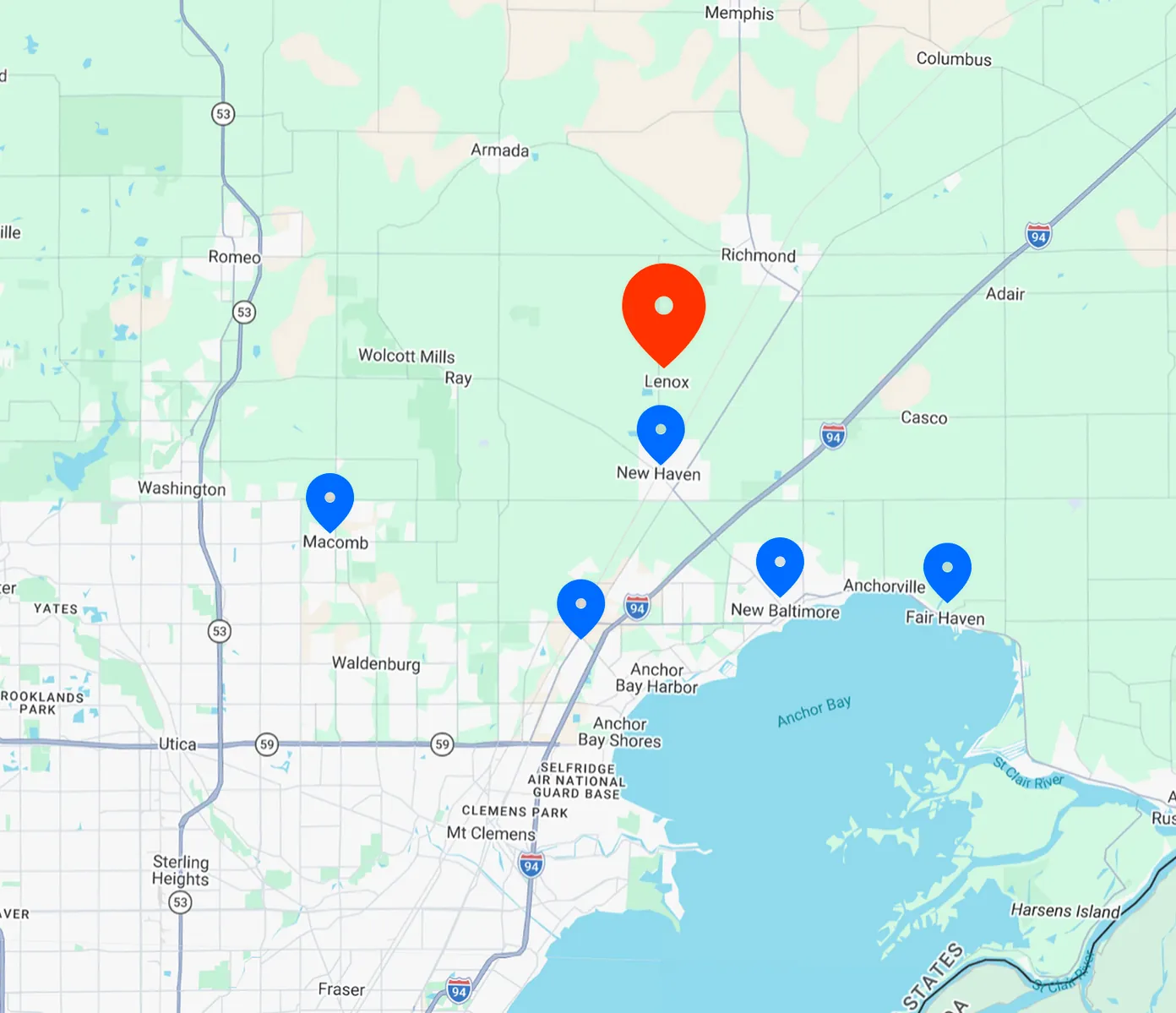
We are based in Lenox and repair furnaces for homeowners in the communities below. Our service area overview explains our coverage, and if your town is not listed, contact our team to ask.
Don't See Your Location?
Don't see your town listed? We also help homeowners in neighboring communities around Lenox. Give us a call and we'll let you know if we can reach you.
- Honest, Transparent Service
- BBB Accredited
- Locally Owned & Operated
- AirEase & Samsung Systems
- Flexible HVAC Financing
Next Steps
Your Lenox Heating Contractor for Repairs and Tune-Ups
A furnace that stops heating disrupts the whole household, and the right response starts with an honest diagnosis. Our locally owned business, our BBB Accreditation, and our plain-language findings stand behind every repair we recommend to homeowners in Lenox and the towns around it. You should understand what failed, why it failed, and what your options are before any work is approved. Our technicians walk you through the test readings, so the decision rests on measurements rather than guesswork, and you keep a written record of the results.
If the furnace needs more than a repair, our financing options can help you plan a replacement over time with our partners Hearth, Service Finance, and GoodLeap. Each partner has its own application process and terms, so review them directly before you decide. Homeowners who want scheduled care after a repair can also look at our maintenance plans for steady, planned attention to their equipment going forward.
Tell us about your furnace, the symptoms you are seeing, and the rooms that feel cold, and our team will confirm the next step with you. We serve Lenox and the communities around it, and we are glad to answer your questions before any visit is scheduled. A clear picture of the problem helps us plan the visit well and helps you decide what to do next with confidence. Whether the answer is a targeted repair, a tune-up, or a longer conversation about replacement, you will know the reasons behind it before you commit. We are also glad to answer follow-up questions after the visit, so you can reach us once you have had time to think.