Furnace
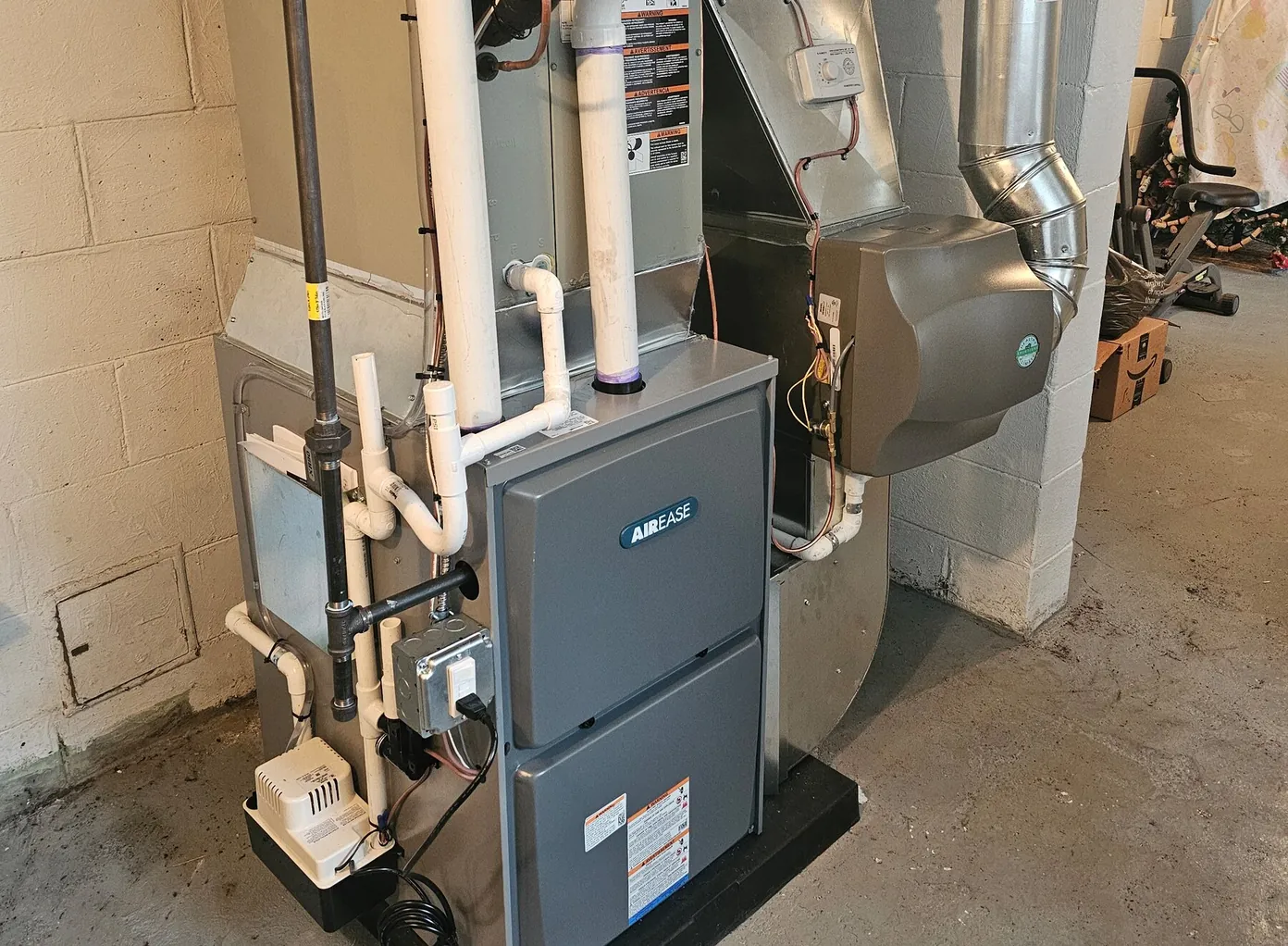
Your furnace carries the load through every Michigan winter.
Repair and Seasonal Care
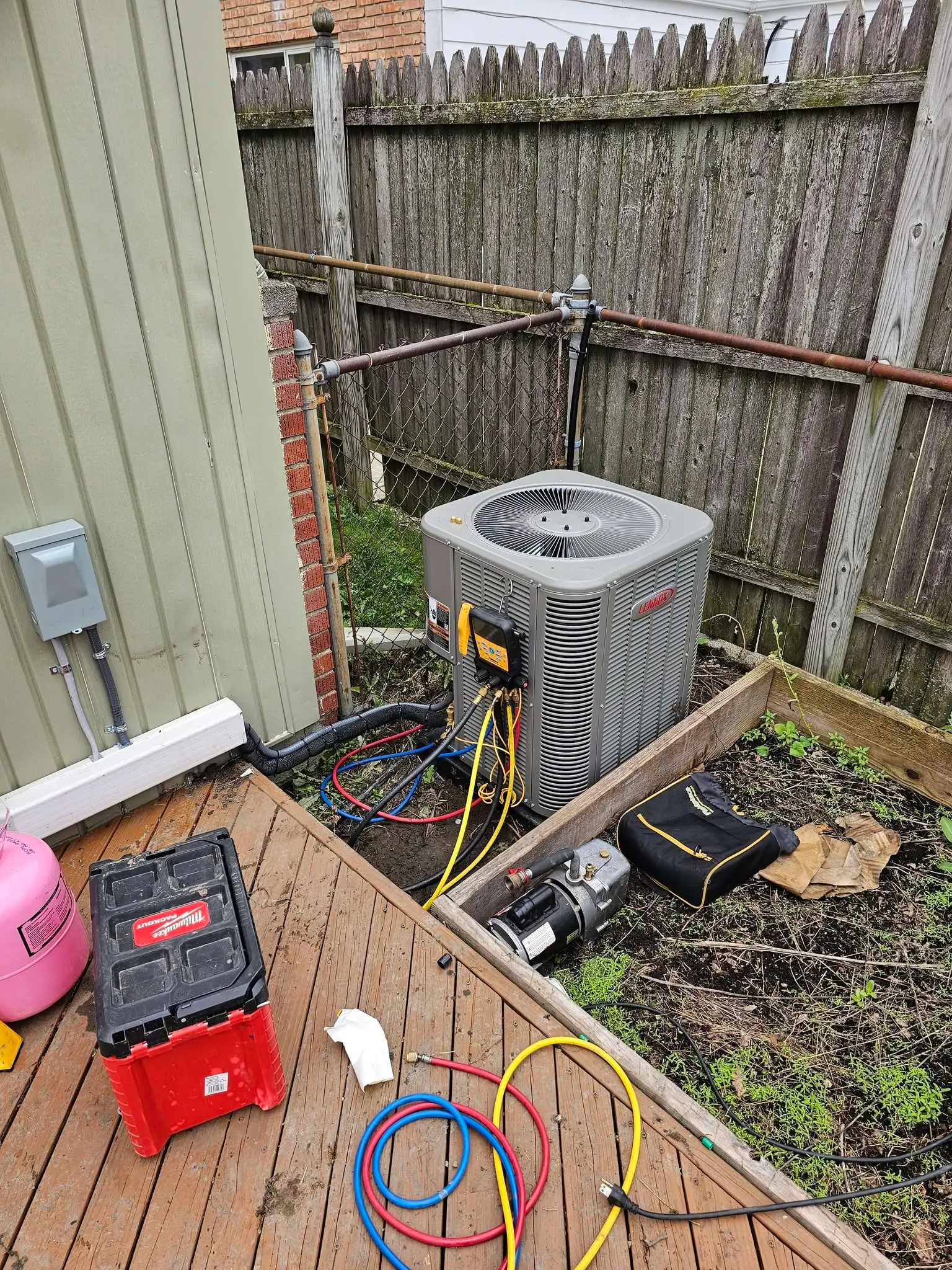
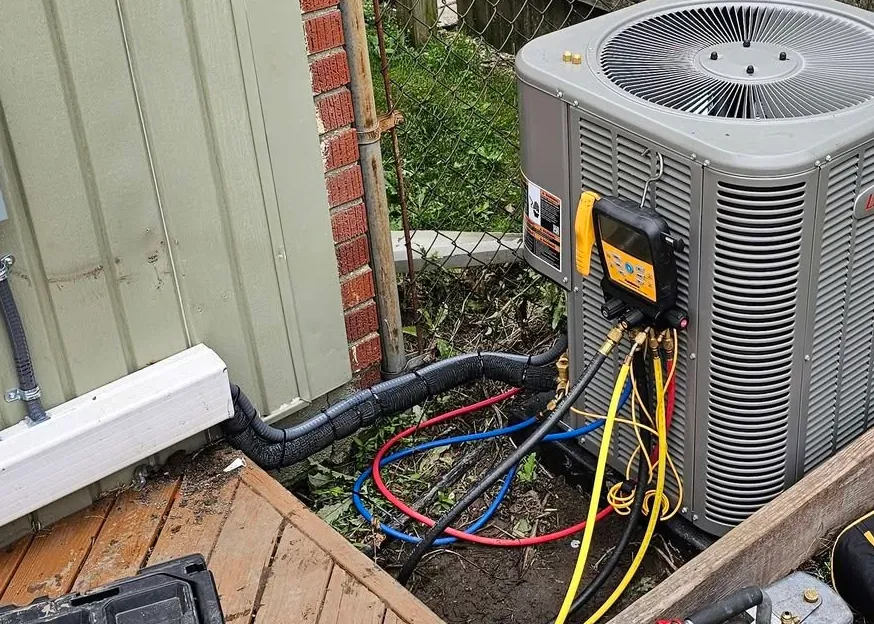
When your central air conditioner stops cooling evenly, starts short cycling, or makes sounds it never made before, you need a clear diagnosis before anyone replaces a part.
Why Homeowners Call Us
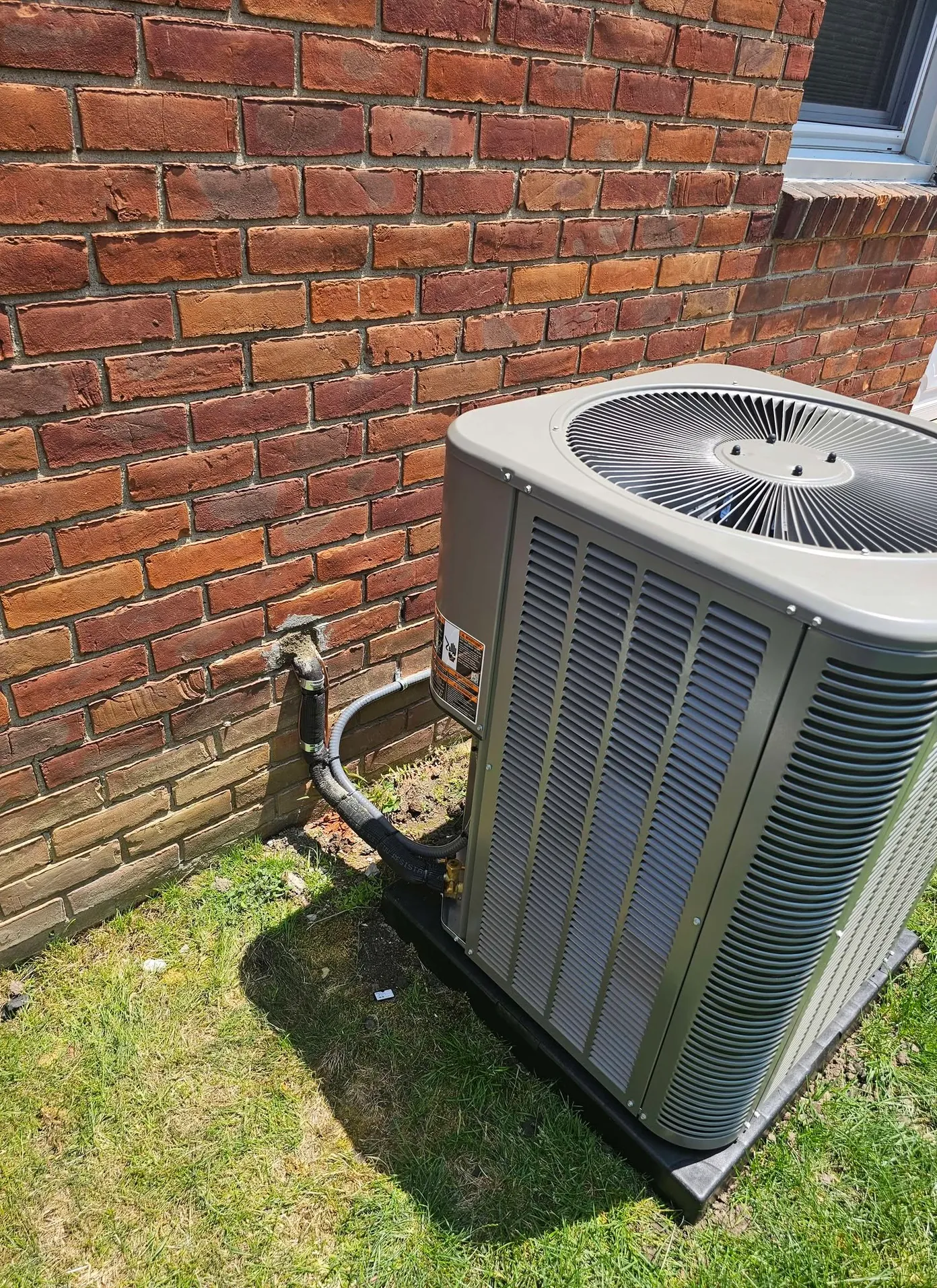
Degree Heating and Cooling is a locally owned and operated company based in Lenox, Michigan, and we repair central AC systems for homes in Lenox and the towns around it. Our technicians test the system, explain what they find, and recommend only the work your home needs. Tune-ups and seasonal maintenance visits are part of the same service, so the team that diagnoses your system also keeps it running well.
When a cooling system fails, the people who diagnose it should answer for their work to the homes they serve. Degree Heating and Cooling is locally owned and operated, so the technicians who test your system are part of the community in Lenox and nearby towns. That accountability shapes how we measure, explain, and document every repair.
We are BBB Accredited, which gives you an independent public reference point before you approve any repair. We share that accreditation openly because you should not have to rely on our word alone. You can review our company background before you schedule a visit.
A cooling problem can have several causes that produce the same symptoms. A failing capacitor, weak airflow, and a refrigerant imbalance can all leave a home warm, so we test the system before recommending any new part. You receive a plain explanation of the fault and the choices it leaves you.
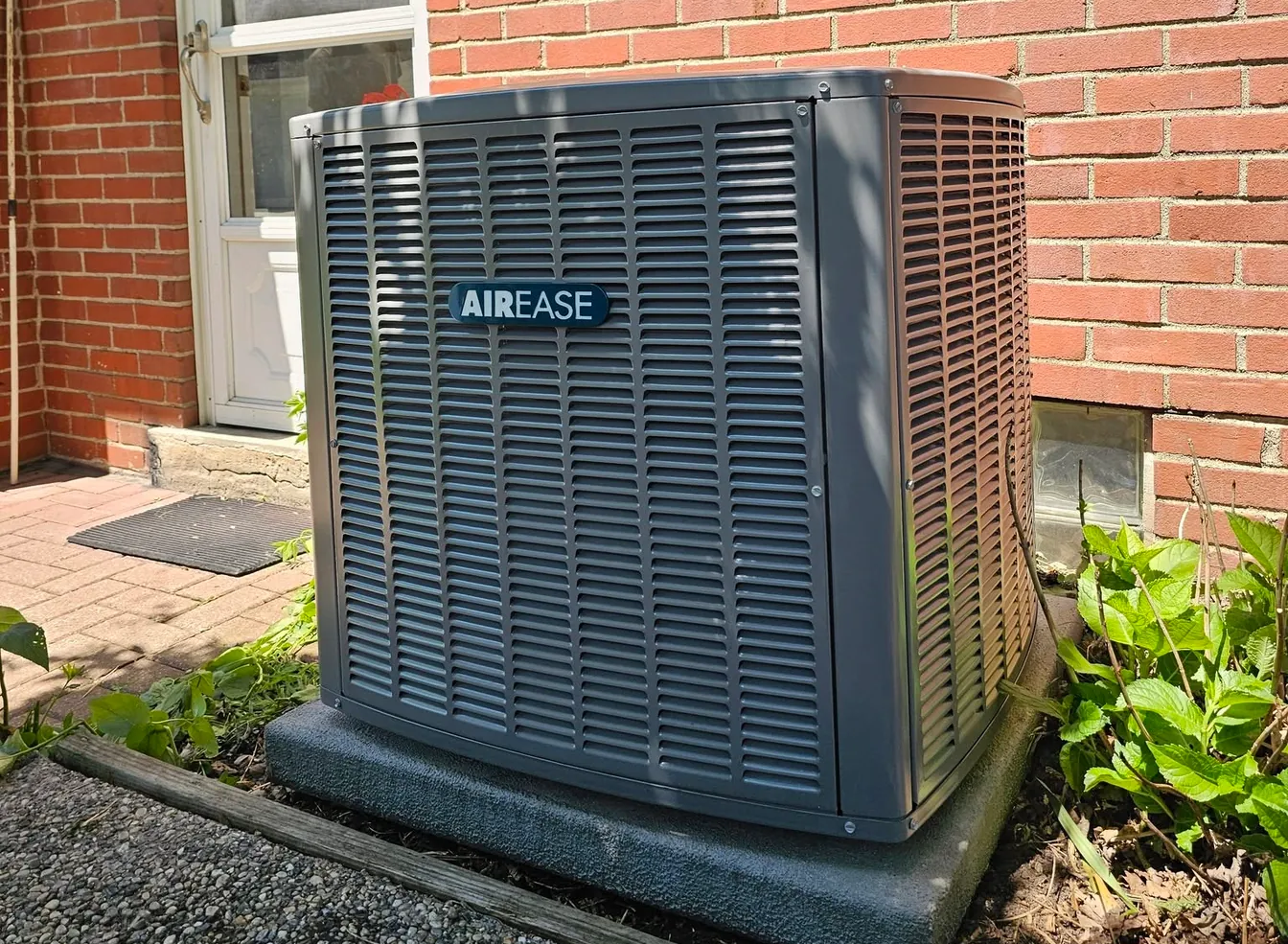
We service AirEase central air systems, and we explain each repair in terms of the specific equipment in your home. Before we recommend work, we check the model, the outdoor unit, the indoor components, and how they operate together. The goal is a repair that fits the system you own.
After testing, we walk you through what failed, what it would take to repair it, and what each choice looks like. You can ask questions at any point during the visit. Nothing is replaced without your approval, and we will tell you plainly when a repair will not solve the underlying problem.
The technicians who repair your system also perform tune-ups and seasonal maintenance visits, so they learn your equipment over time. That continuity helps us spot patterns that matter. Reach out to our team with questions about your system before you schedule.
Describe Your Problem
Use the contact form to describe the symptoms you have noticed, the rooms that feel warm, and any recent changes to your system or thermostat. Our technicians come to your home to test the equipment, so there is nothing you need to bring to us. If you are still deciding between a repair and a new system, you can compare central AC installation, read the central AC overview, or review heat pump service options.
Warning Signs to Watch
Reduced airflow often has a mechanical or airflow cause. A dirty filter, a blocked return, a collapsed duct, or a failing blower motor can each reduce the air reaching your rooms. Some rooms may feel warm while others run cool. We check airflow at the registers and the air handler before assuming the outdoor unit is at fault.
A system that switches on and off in short bursts is working harder than it should. Short cycling can come from an airflow problem, a refrigerant imbalance, or a control fault. Each cause needs a different repair. We measure the operating conditions instead of guessing from the symptom alone.
Air that stays only slightly cooler than the room can point to a refrigerant leak, a failing compressor, or a fouled condenser coil. Our technicians measure supply and return temperatures to see how much cooling the system is actually producing. The result shows whether the fault lies in the refrigerant circuit, the airflow, or the outdoor unit.
Frost or ice on the copper lines, the indoor coil, or the air handler means the system is not moving heat the way it should. Restricted airflow and low refrigerant are common causes. Turning the system off to let the ice melt can prevent further strain, but the underlying cause still needs a technician to find it.
Grinding, squealing, buzzing, or banging from the outdoor unit or the air handler can signal a worn motor bearing, a loose panel, or a failing fan. Noises that appear suddenly or grow louder over time deserve a closer look. We inspect the fan, motor, and mounting hardware, then explain which sounds are normal and which are not.
A breaker that trips repeatedly, or a burning smell at the disconnect or the indoor unit, points to an electrical fault. Do not keep resetting a breaker that keeps tripping. We check the capacitor, contactor, and wiring connections, then explain the repair needed before the system returns to service.
Repairs We Handle
Our repair work covers the components that most often affect cooling performance and the seasonal care that keeps them working.
Low cooling output can come from a refrigerant leak. We test the circuit with appropriate tools, locate the leak where we can, and recommend a repair that addresses the source rather than adding refrigerant alone. Request a Leak Diagnosis.
The capacitor helps start the compressor and fan motors, and the contactor switches power to the outdoor unit. Both wear over time, and a failure can stop the system or cause short cycling. Ask About Capacitor and Contactor Service.
We test the compressor's electrical draw and windings when the symptoms point toward the compressor. Accurate testing separates a compressor problem from a control or airflow issue, which helps avoid replacing the wrong part. Discuss Compressor Testing.
A weak or noisy outdoor fan can cause overheating and poor cooling. We check the motor, the blade, and the mounting, then repair or replace the parts that need attention. Schedule a Fan Motor Check.
Thermostat faults and damaged control wiring can make the system run at the wrong times or not run at all. We verify the thermostat settings, test the low-voltage wiring, and repair the connections we find. Get Help With Thermostat Problems.
Dirty evaporator coils restrict airflow, and a clogged condensate drain can cause water damage inside the home. We clean and inspect the coil and drain line, and we recommend repairs if either one is damaged. Ask About Coil and Drain Service.
Blower motors, belts, and filter restrictions reduce airflow and strain the rest of the system. We measure airflow, correct restrictions, and repair the blower components that are failing. Review Your Airflow Concerns.
A tune-up checks the components that matter most during peak use, including airflow, electrical connections, refrigerant performance, and the condition of the outdoor unit. Regular visits help catch wear early and keep your system ready for the season. Book a Seasonal Tune-Up.
Related Comfort Services
Many homes run more than one comfort system, and the same diagnostic approach applies across them. These related services can help you keep the rest of your home comfortable.
How a Repair Visit Unfolds
A reliable repair begins with measurements, not guesses. Each stage below narrows the cause until the correct repair is clear.
The diagnosis starts with what you have noticed, because the pattern of a problem often points toward its cause.
Electrical parts control the compressor, the fans, and the system controls, so we test them before assuming a larger failure.
Refrigerant and airflow determine how much heat the system moves, so we measure both to confirm what is happening.
Once the cause is clear, we present the repair options and carry out only the work you approve.
The visit ends with measurements and records that show the system is operating as it should.
Repair Questions
A system that runs without cooling the house usually has a problem with airflow, refrigerant, or the electrical parts that drive the compressor and fans. Each cause produces similar symptoms, so guessing from the outside is unreliable. Our technicians measure the system's operating conditions, compare the readings against normal performance, and identify the fault. You receive a plain explanation of what we found and which repairs would correct it.
We start by testing rather than swapping components. Our team reviews your description of the symptoms, checks the thermostat and control wiring, measures electrical draw and airflow, and inspects the indoor and outdoor coils. Each reading narrows the possibilities until the failed part is clear. We explain the findings before recommending any repair, and nothing is replaced without your approval.
A refrigerant leak can often be repaired when its source can be located and the surrounding components are in good condition. We test the circuit and recommend a repair that addresses the leak itself rather than adding refrigerant alone. Whether a repair or a new system makes more sense depends on the leak, the age of the equipment, and the rest of the system. We lay out those factors so you can decide.
Sometimes it is, and sometimes replacement makes more sense. We look at the cause and cost of the repair, the condition of the rest of the equipment, and how much the system is relied on for comfort. A repair that restores proper operation to a well-built system can be a sensible choice. When a system needs repeated repairs or has a major failure, we explain the trade-offs and outline the options, including a new installation.
A seasonal tune-up checks the components that matter most during peak use. Our technicians inspect airflow and filter condition, test electrical connections and the capacitor, check the outdoor and indoor coils, and review refrigerant performance. They also clean accessible parts where appropriate and look for wear before it leads to a breakdown. You receive a summary of the results so you can plan any follow-up work.
Our central AC repair work centers on AirEase equipment, which is the central air brand we install and service. If your unit carries a different nameplate, describe it when you contact us so our team can tell you what we are able to support. We would rather be honest about what we can service than promise work we cannot complete well.
Start by noting whether the outdoor fan and compressor run when the thermostat calls for cooling. If the outdoor unit stays silent, the fault may be in the thermostat, the control wiring, or the low-voltage circuit. If the unit runs but the house stays warm, the cause could be refrigerant, airflow, or the compressor itself. Our technicians test each part in turn so the diagnosis rests on measurements rather than a guess.
A short burst of noise at startup can be normal as the compressor and fan begin moving. Loud or changing noises are a different matter. Grinding, screeching, banging, or rattling can point to a worn fan motor, a loose panel, debris in the fan, or a compressor problem. We inspect the mounting hardware, fan, and motor, then explain which sounds are normal for your equipment and which need a repair.
You receive a clear summary of what failed, what we repaired or replaced, and the readings we recorded before and after the work. We walk you through the results, answer questions about the system, and explain what to watch for during normal operation. Where a manufacturer warranty applies to a replaced part, we provide the paperwork that comes with it so your records are complete.
A tune-up is a single visit, while a maintenance plan is an ongoing arrangement for regular, scheduled care. Homeowners who keep up with tune-ups on their own can continue doing so without enrolling. Those who want a set schedule and steady attention for their equipment may find our maintenance plan easier to manage. Our plan details show what members receive, so you can compare the options with your current routine.
Our Services
From the first warm day of summer to the coldest stretch of a Michigan winter, your home depends on equipment that works. As a full-service HVAC contractor, we install, repair, and maintain the systems that heat, cool, and supply hot water to homes across Lenox — plus the generators that keep everything running when the power goes out.
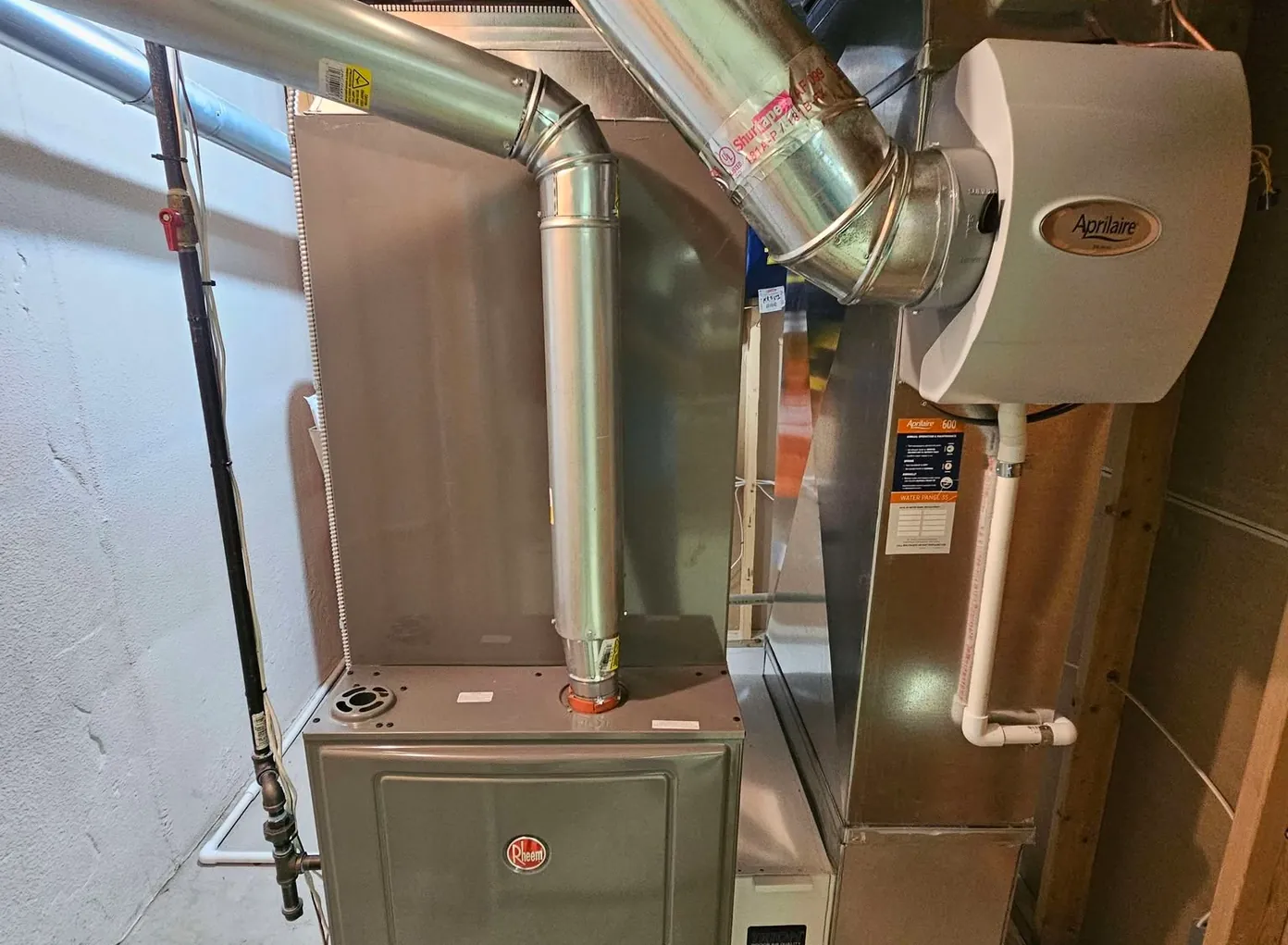
Your furnace carries the load through every Michigan winter.
A ducted heat pump heats and cools your home with one system.
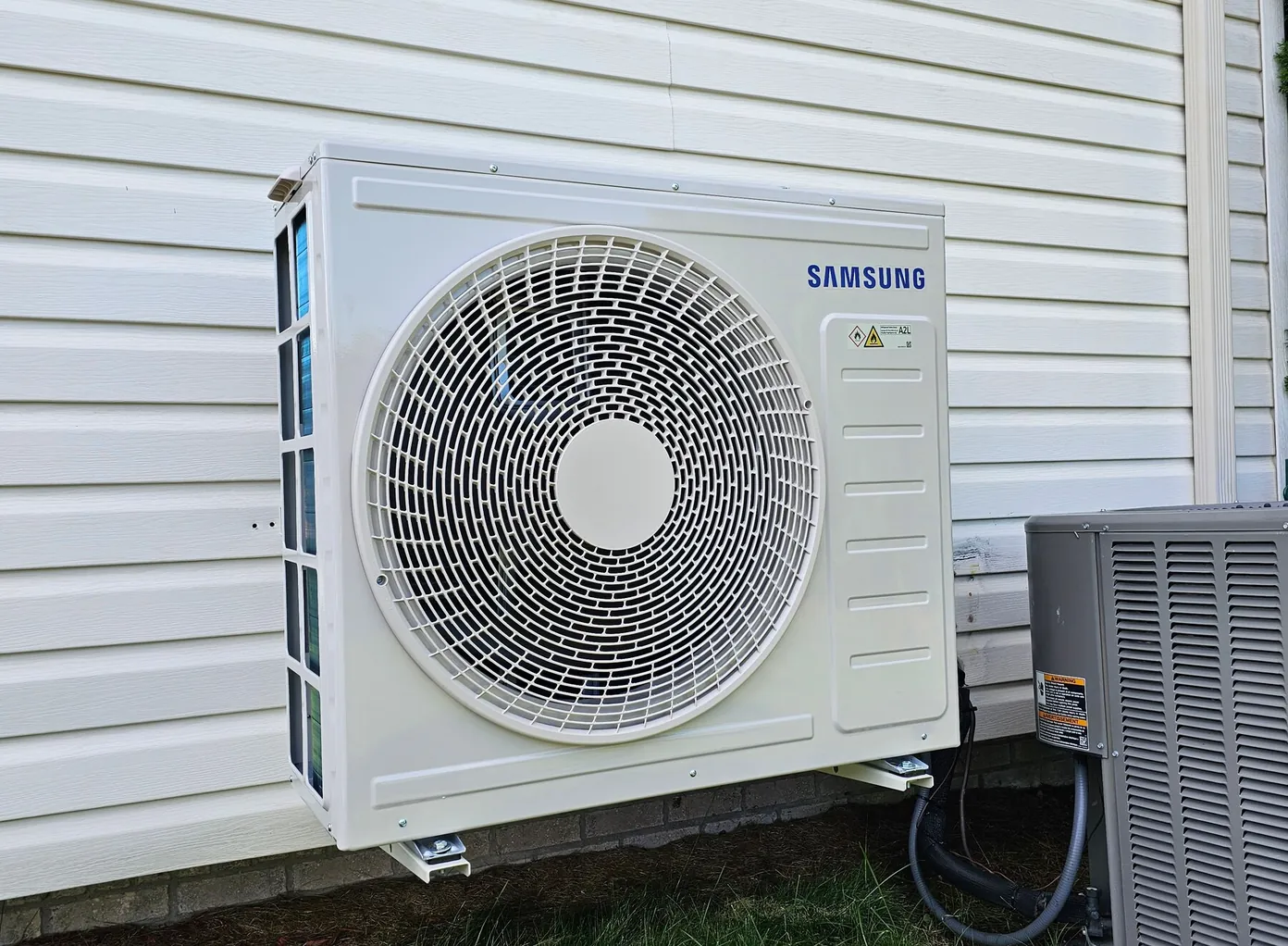
Targeted comfort for additions and homes without ductwork.
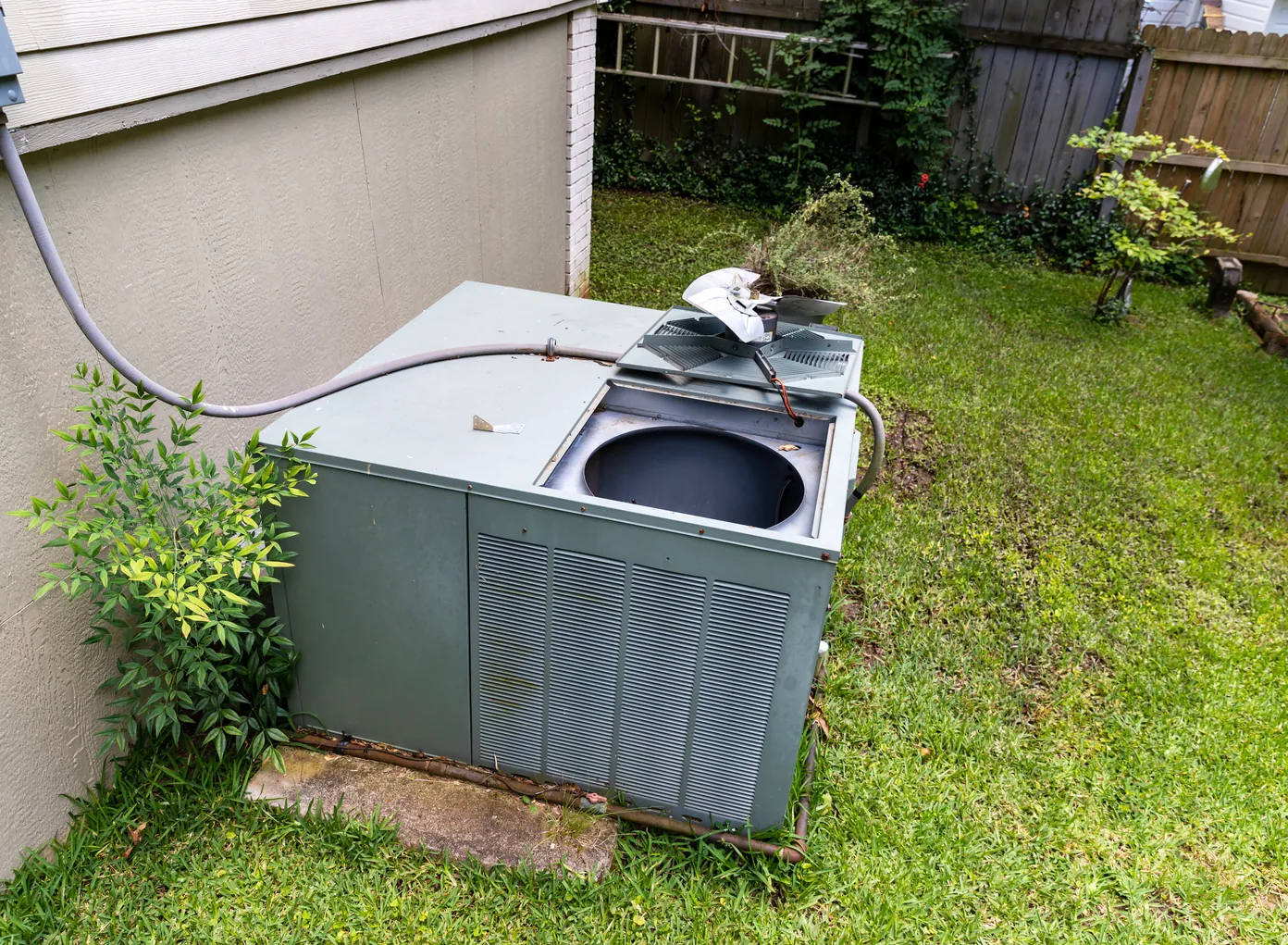
Heating and cooling in a single outdoor cabinet, saving indoor space.
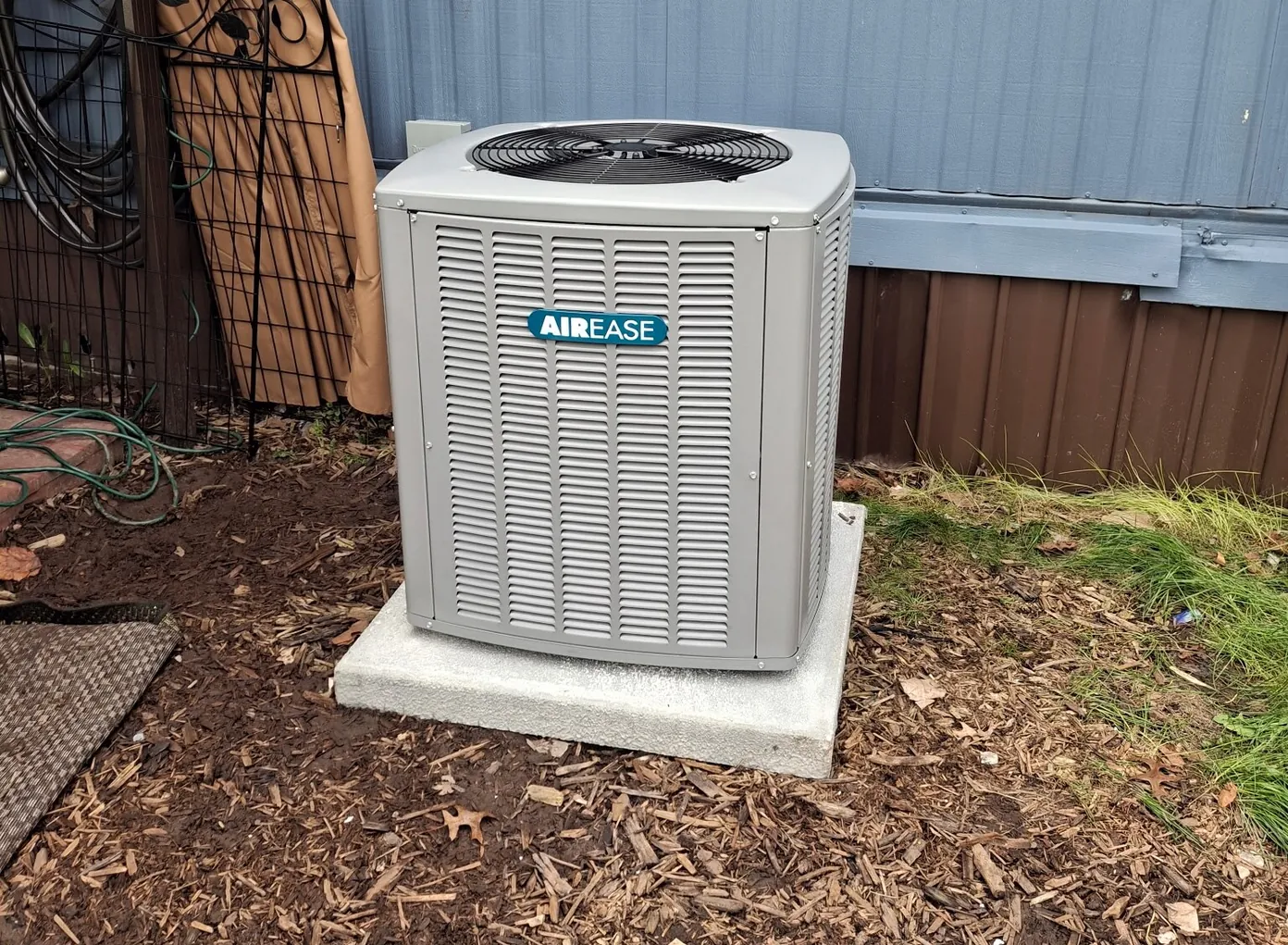
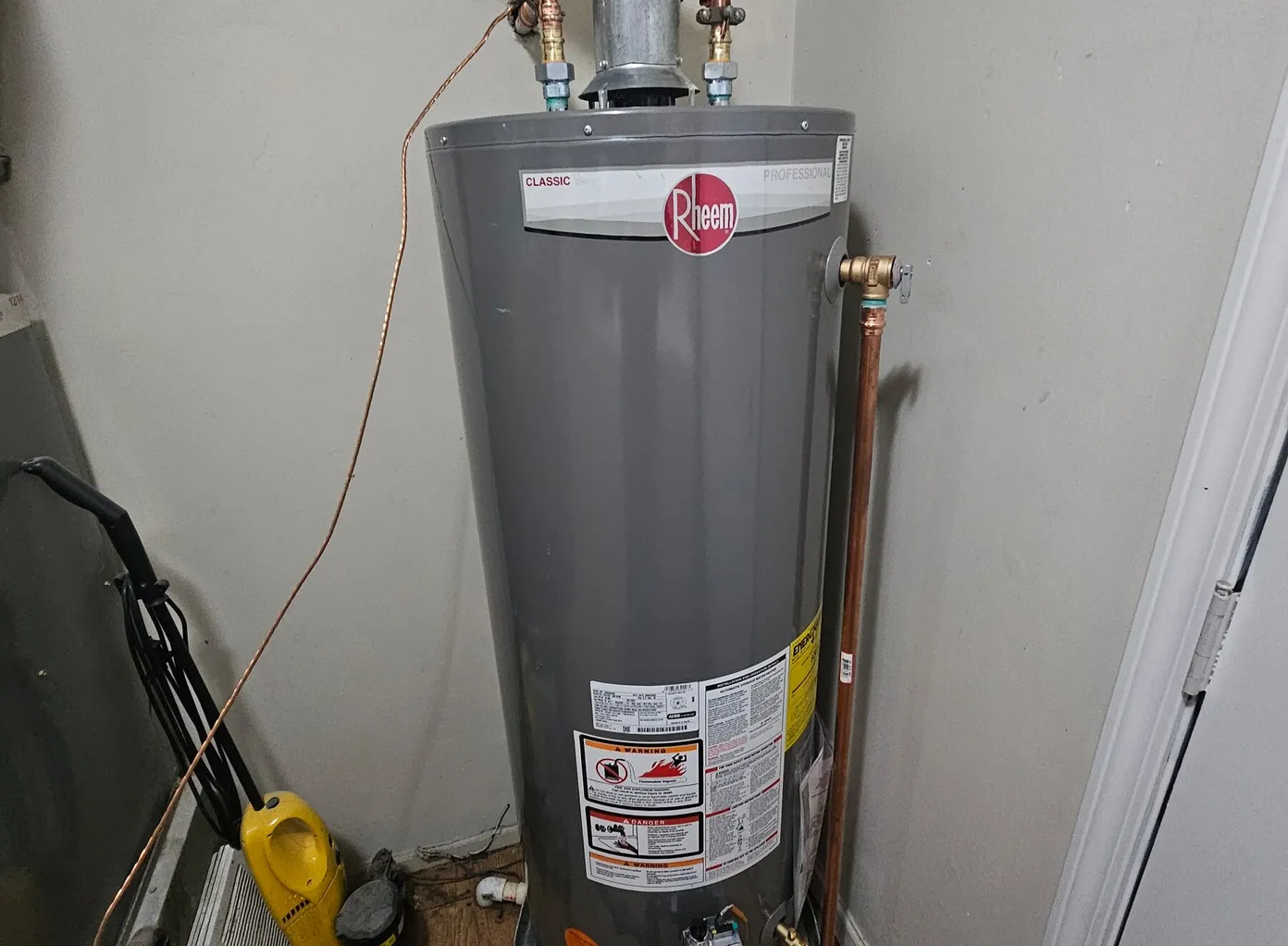
Heating, air conditioning, heat pumps, and water heating.
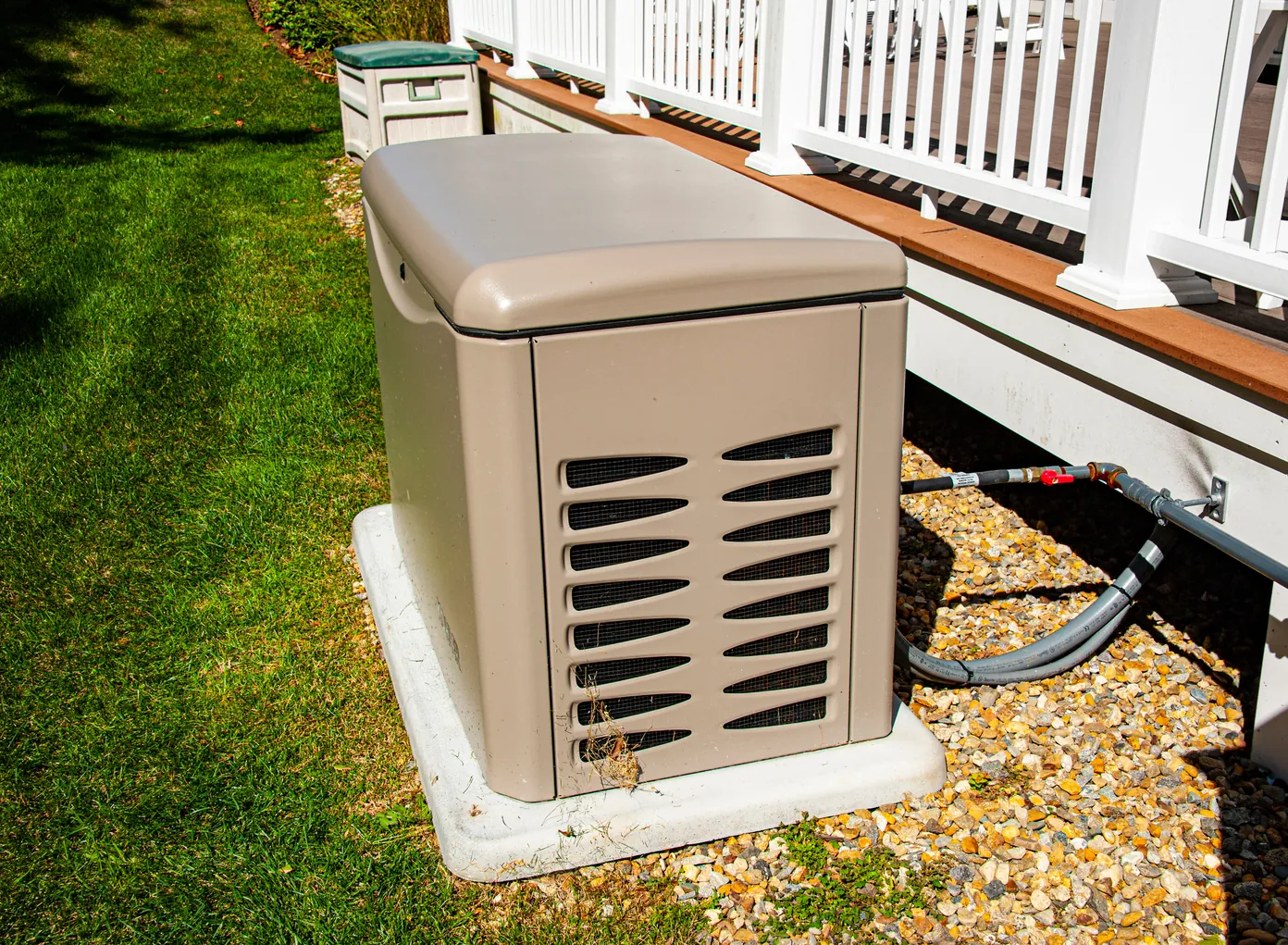
A Generac generator keeps your heat and lights running during an outage.
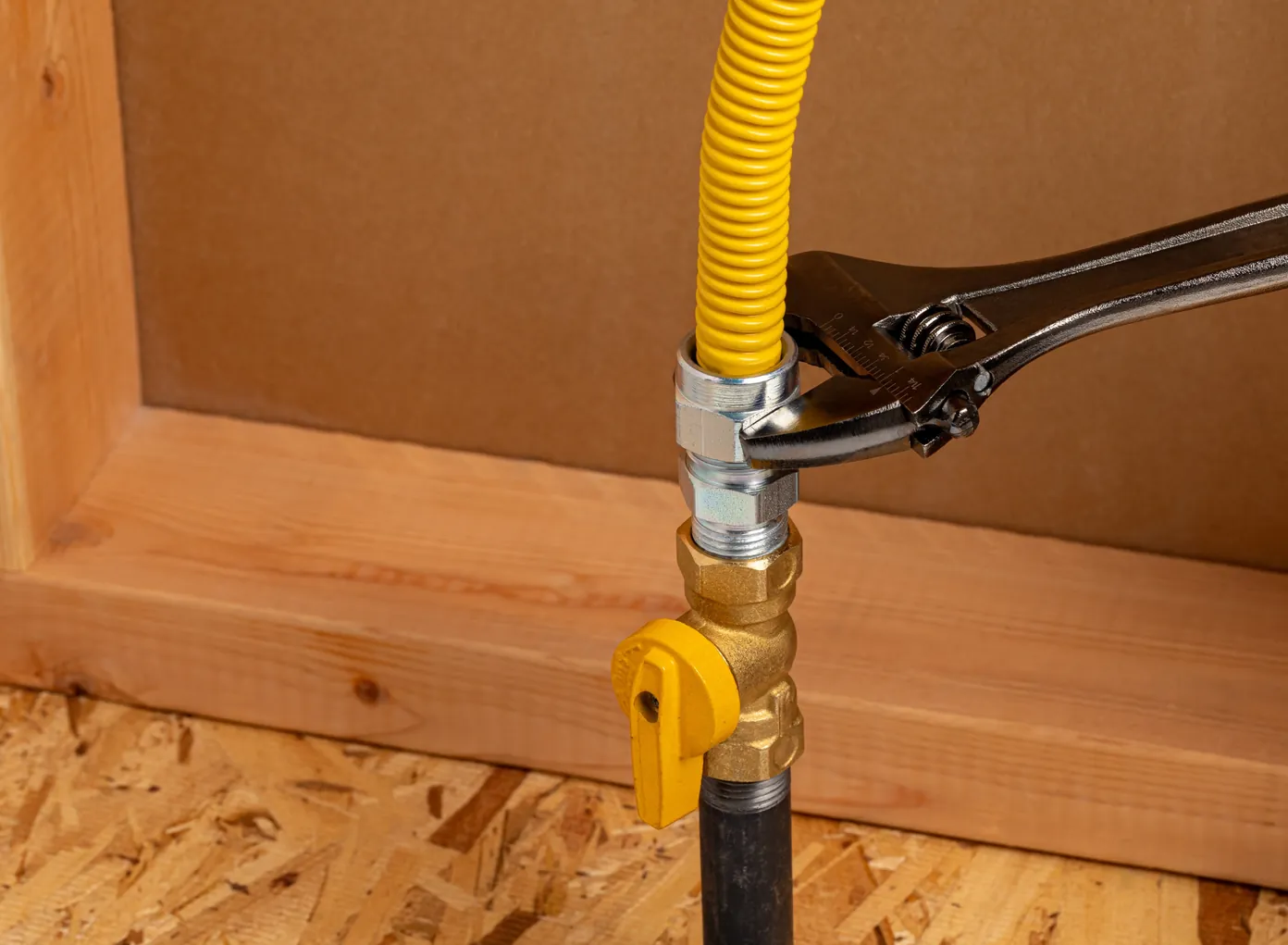
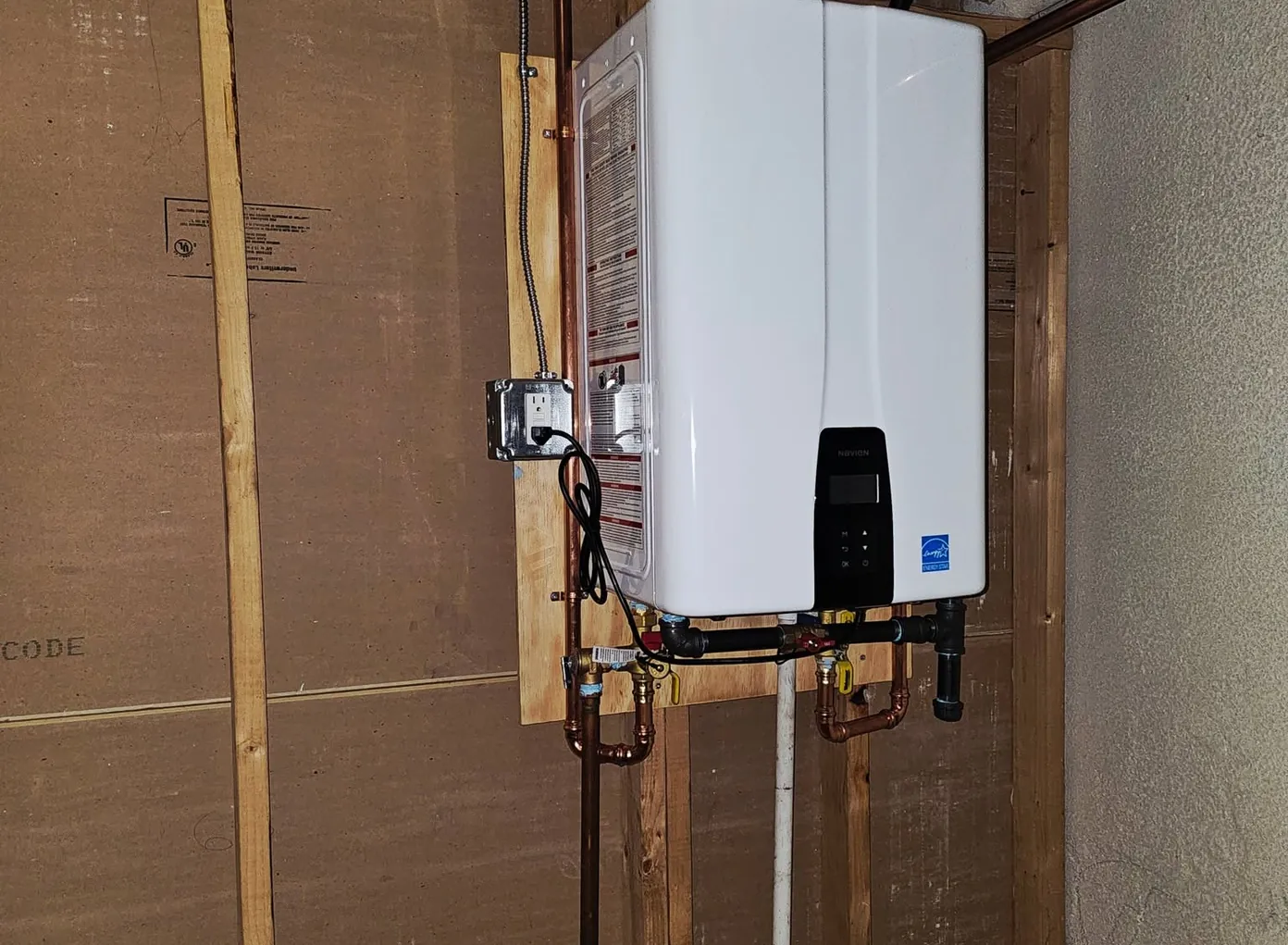
Navien tankless water heaters that heat water on demand.
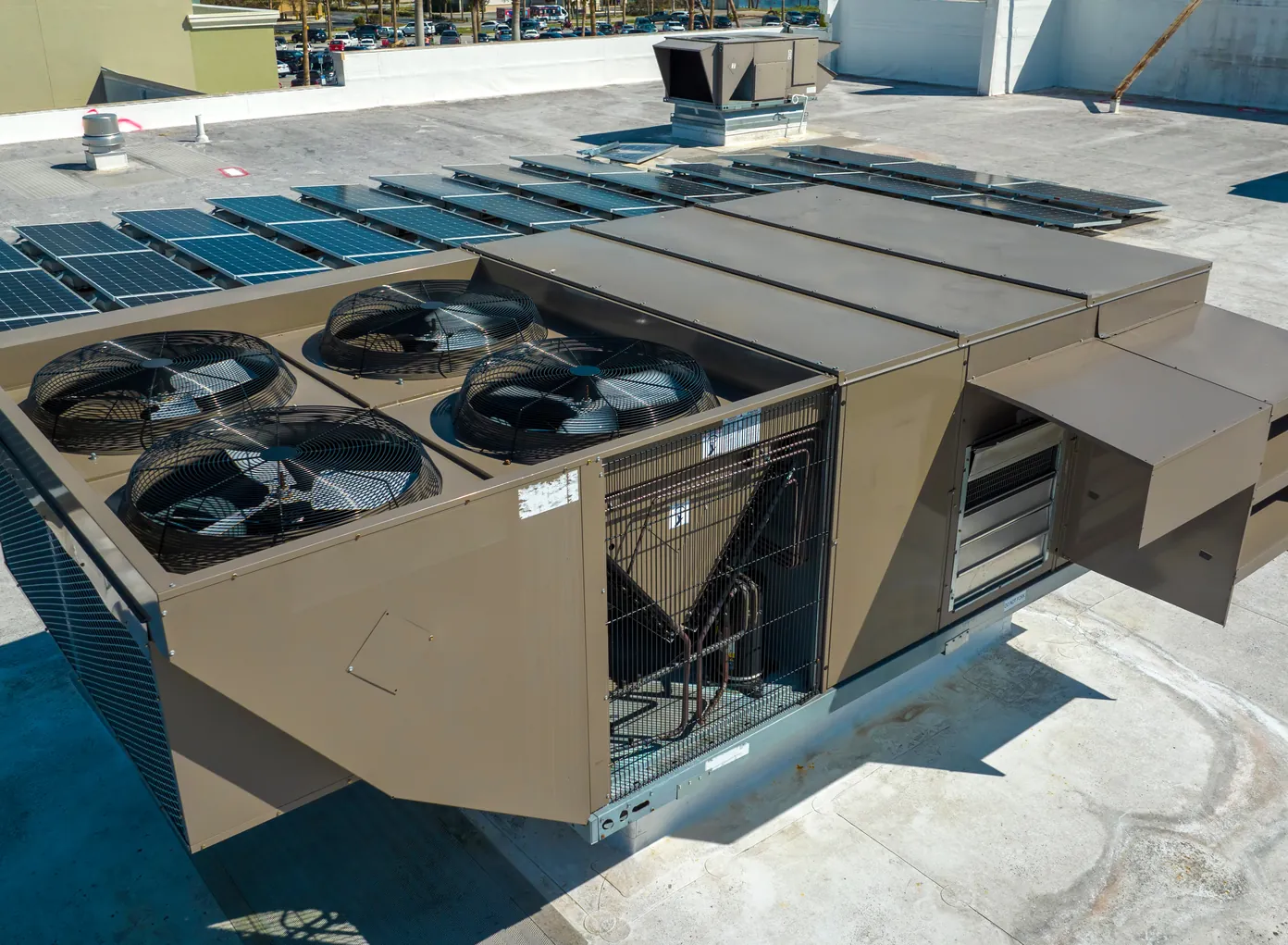
Light commercial HVAC service for rooftop units up to 25 tons.
Filtration, air purification, ventilation, UV treatment, and humidity control.

Customer Reviews
Read Reviews on Google (opens in a new tab)Our neighbors' feedback means everything to us. Read what homeowners across the area have to say about working with Degree Heating and Cooling.
Where We Work
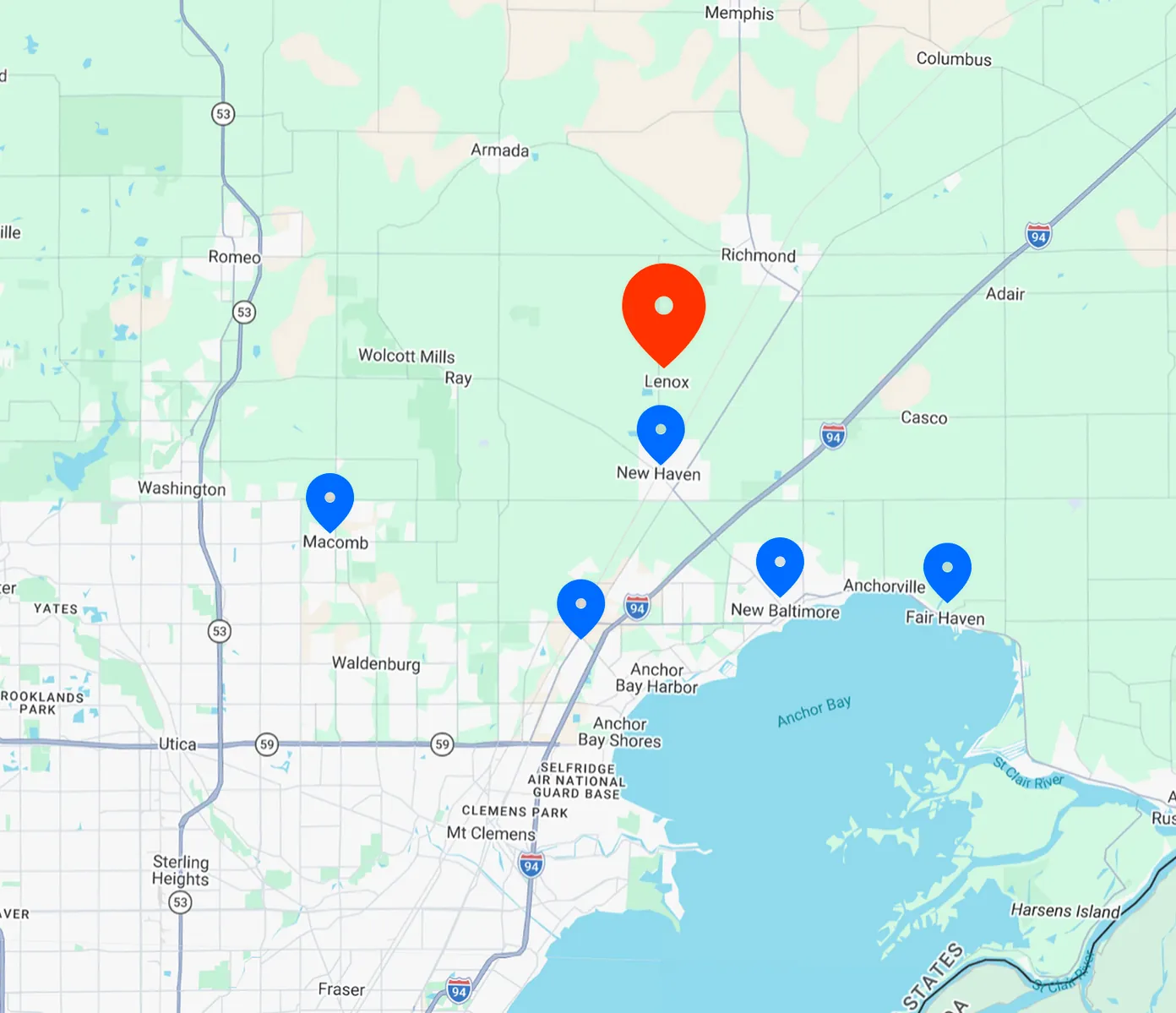
We are based in Lenox and provide central AC repair and tune-ups to homeowners in the communities below. Our service area overview explains how we cover the region, and if your town is not listed, contact our team to ask about coverage.
Don't see your town listed? We also help homeowners in neighboring communities around Lenox. Give us a call and we'll let you know if we can reach you.
Plan Your Next Visit
A failing air conditioner disrupts your household, and the right response starts with an honest diagnosis. Our locally owned business, our BBB Accreditation, and our plain-language findings stand behind every repair we recommend to homeowners in Lenox and the towns around it. You should understand what failed, why it failed, and what your options are before any work is approved.
If your system needs more than a repair, our financing options can help you plan a replacement over time with partners Hearth, Service Finance, and GoodLeap. Homeowners who want regular, scheduled care after a repair can also review our maintenance plans for steady attention to their equipment.
Tell us what your air conditioner is doing, and our team will confirm the next step with you. We serve Lenox and the communities around it, and we are glad to answer your questions before any visit is scheduled.