

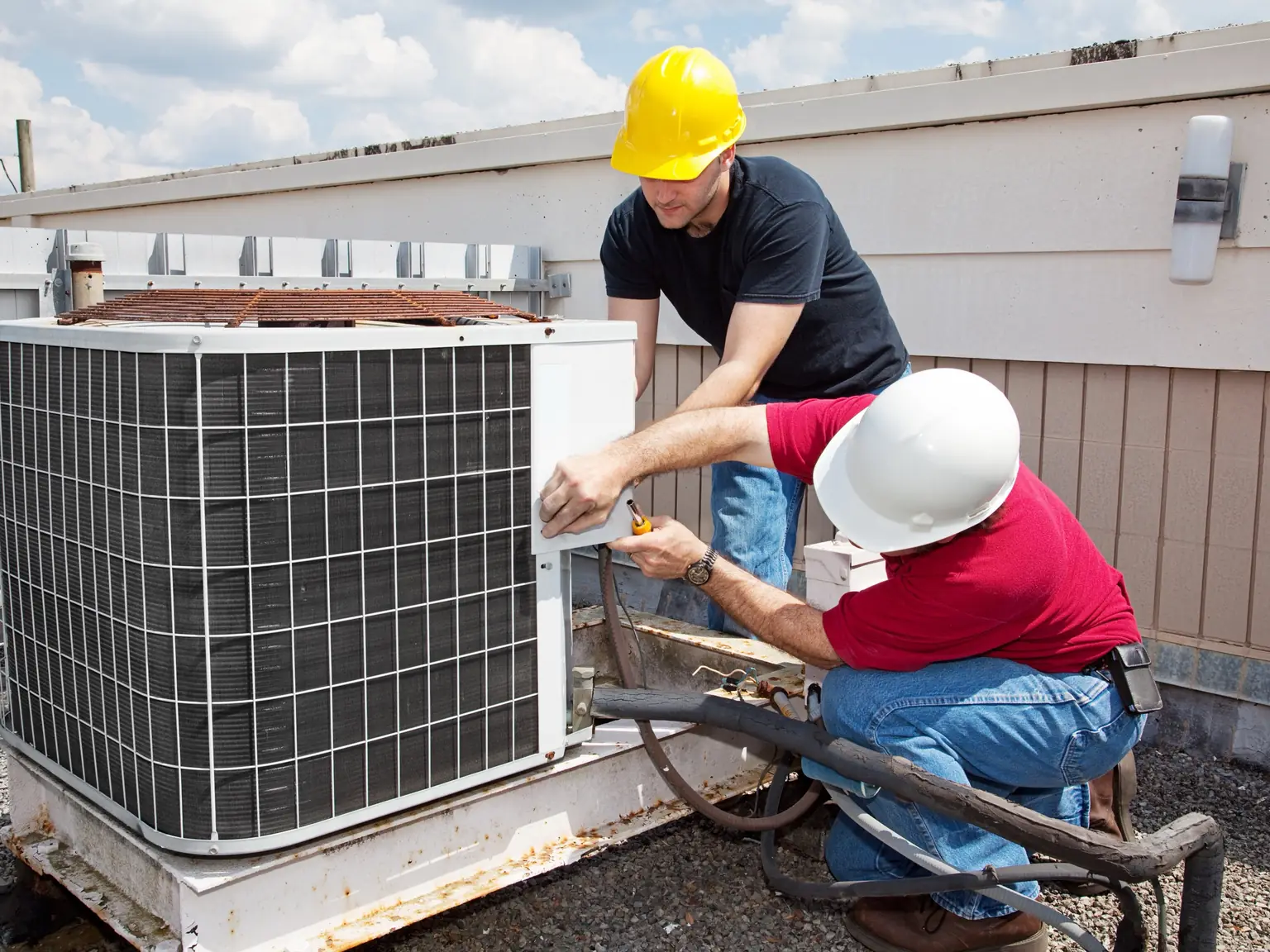
Light Commercial Repair
Rooftop Unit Repair & Maintenance in Lenox, MI
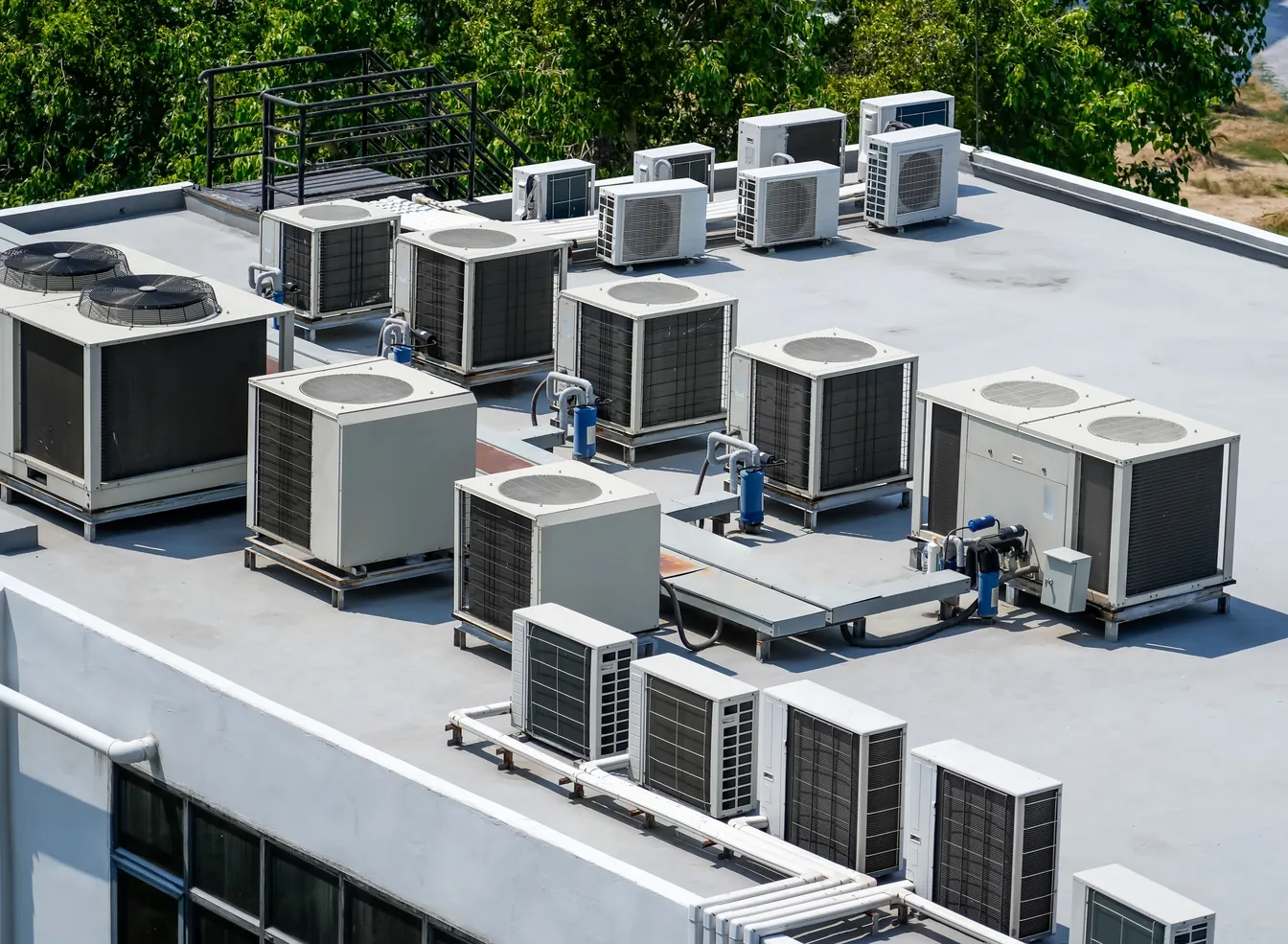
A rooftop unit packs heating, cooling, and airflow into one cabinet on the roof, so a fault in one section can show up as a problem somewhere else.
Our Repair Approach
A Light Commercial Contractor That Confirms the Cause First
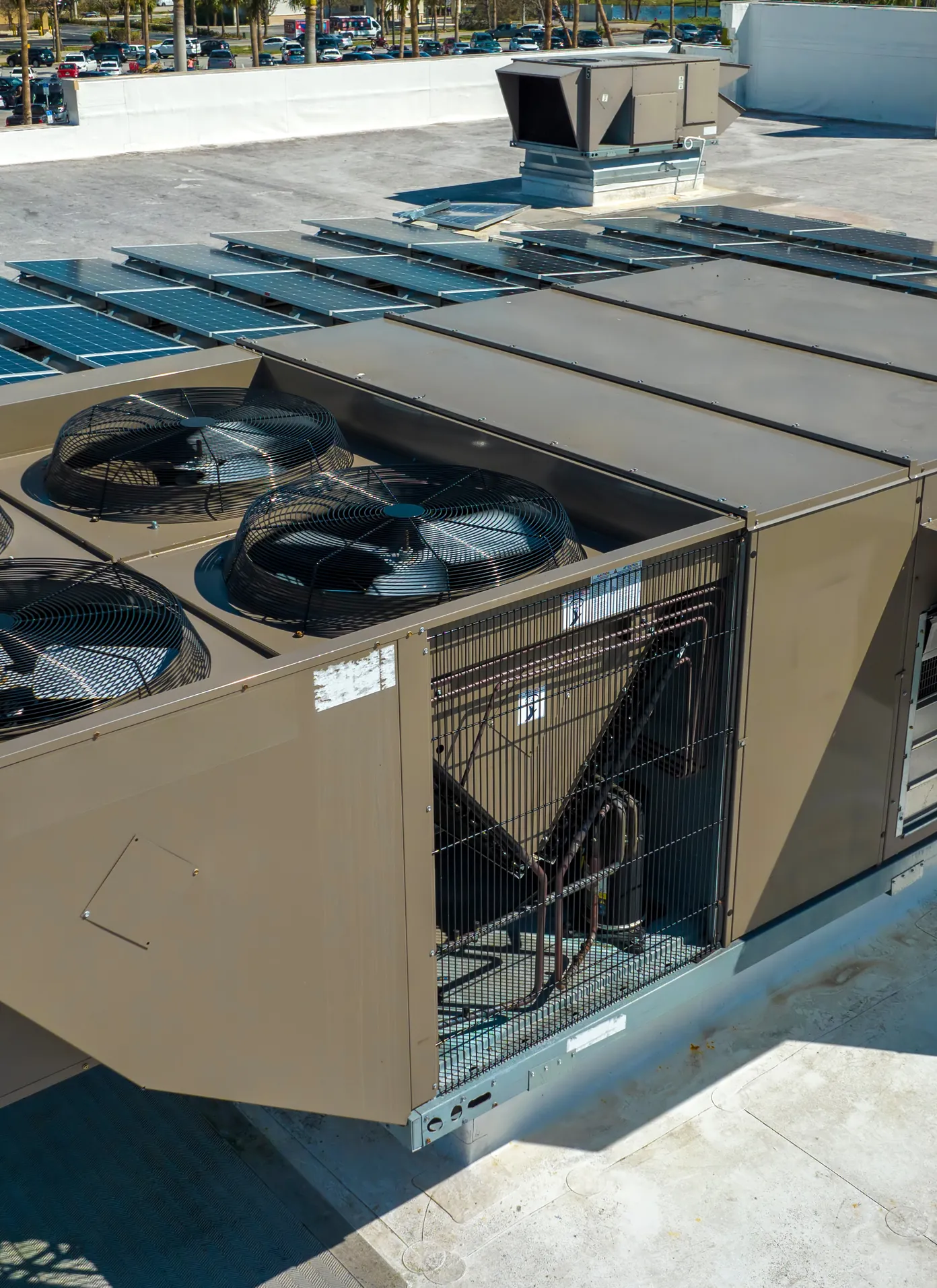
Degree Heating and Cooling repairs and maintains rooftop units up to 25 tons on light commercial buildings in Lenox, Michigan and the communities around it. Our technicians measure the cooling and heating sections before recommending a part, then explain what they found in plain language.
Locally Owned and Accountable for Each Repair
A rooftop unit keeps running for years after a repair visit, so the people who diagnosed it should be easy to reach. Degree Heating and Cooling is locally owned and operated, and our team works from Lenox, so we answer for the work we do on your building. Read about our company to learn how the business is run.
A Public Reference Before You Approve Work
We are BBB Accredited, which gives you an independent public reference before you approve repair work on commercial equipment. Checking that record is a sensible step for any building owner, and we welcome the review before the first visit.
Measured Readings Before Any Part Is Replaced
We take readings on the cooling and heating sections, the electrical supply, and the controls before we recommend a component. Those numbers show which part is failing, so the repair targets the fault instead of a symptom that looks similar.
Clear Limits on the Equipment We Service
We repair and maintain rooftop units up to 25 tons. If your building depends on boilers, chillers, or other commercial systems, we will say so plainly instead of stretching past what we are set up to service.
Cooling and Heating Faults Handled Separately
A rooftop unit carries both seasons' workload, and a fault in one section can be mistaken for a problem in the other. We test each section on its own so the findings are clear before you choose a repair.
Written Test Data for Your Records
After the visit you receive the readings we took, a list of any parts we replaced, and any manufacturer warranty paperwork that applies. Keeping those records helps your team compare future readings and plan maintenance.
Request a Visit
Tell Us What Your Rooftop Unit Is Doing
Use the contact form to describe the symptoms you have noticed, such as weak cooling, uneven heat, frequent cycling, unusual noise, or water near the curb. Include the unit's tonnage from the nameplate if you have it, and note whether the problem appears in cool weather, warm weather, or both. Our technicians visit your building for the review, so there is nothing you need to bring to us. If you are weighing a repair against a new unit, compare rooftop unit installation options, read the rooftop units overview, or review our air conditioning repair services for the residential systems we also service.
Warning Signs
Symptoms That Point to a Rooftop Unit Repair
Weak Cooling or Warm Supply Air
When the supply air feels only slightly cool, or the building warms up during the afternoon, the cooling section may be losing capacity. The cause can sit in the refrigerant circuit, the condenser, the coil, or the airflow across the coil. We compare supply and return temperatures against the unit's operating data before deciding which part needs attention.
Heat Section That Lights Late or Shuts Off
If the heat section takes a long time to ignite, or it lights and then drops out, the ignition sequence, the safety controls, or the gas supply may be at fault. A repeated shutdown should be investigated rather than reset again and again. We test the sequence during a live heating call and check the supply pressure before replacing anything. If the supply line itself is in question, our gas piping services cover that work.
Short Cycling Between Calls
A unit that starts, stops, and restarts within minutes is working against itself. Short cycling can point to a control, a sensor, a fan running at the wrong speed, or an airflow restriction that trips a safety switch. We follow the sequence from start to stop so the cause is identified rather than guessed.
Water Near the Curb or Under the Unit
Water around the base of the unit or dripping from the drain line usually points to the condensate drain, a trapped line, or a blocked drain pan. Water that reaches the space below should be reported so we can trace where it enters. The drain path, the pan, and the connections are checked together, so the repair addresses the true blockage or leak.
Rattling, Squealing, or Grinding From the Cabinet
Unusual sounds from the fan section or the compressor can come from a worn motor bearing, a loose component, or a failing blower wheel. Each sound has a different source, so we note when it happens and where it comes from, then inspect the moving parts in order.
Repair and Tune-Up Services
Rooftop Components and Tune-Ups We Service
We cover the components that most often affect cooling, heating, and airflow on rooftop equipment, plus the seasonal care that helps keep them from failing.
Refrigerant Circuit Diagnosis
Low cooling output can come from a refrigerant leak, a restricted line, or a failing component in the circuit. We measure the circuit and locate any leak before we add refrigerant. Request a Refrigerant Check.
Condenser Fan and Compressor Service
A failing fan motor or compressor can cut cooling capacity or shut the unit down on a safety device. We test each component under operating conditions and replace it only when the readings support the change. Discuss Compressor Concerns.
Heat Section Ignition and Safety Controls
Weak ignition, dirty burners, and failing safety switches can keep the heat section from running as designed. We clean, test, and repair these parts according to what the readings show. Ask About Heat Section Service.
Blower, Belt, and Airflow Repair
A worn blower motor, a loose belt, or a restricted filter can reduce airflow to every zone the unit serves. We check the blower and the airflow path together so the repair addresses the true restriction. Describe Your Airflow Issue.
Contactors, Capacitors, and Electrical Controls
Worn contactors and capacitors can keep the unit from starting or cause it to stop intermittently. We test each electrical component and replace only the failed parts the readings identify. Book an Electrical Controls Check.
Condensate Drain Clearing and Repair
A clogged drain line or pan can leak water into the building and trigger a safety shutoff. We clear the line, test the drain switch, and repair the connection when it is damaged. Request a Drain Check.
Seasonal Tune-Ups and Maintenance Visits
A tune-up cleans and inspects the cooling and heating components before the season that stresses them. Our residential maintenance plan does not cover rooftop equipment, so we talk through what regular service would look like for your unit. See our maintenance plans for the residential option, and request a rooftop tune-up consultation for your building.
Connected Systems
Keep the Rest of Your Property Comfortable
A rooftop unit is one part of a building's climate plan, and a few related services may be worth reviewing alongside it.
- Furnace repair and tune-upsIgnition, safety, and airflow testing for residential furnaces.
- Heat pump repairTesting and repair for ducted heat pump systems that heat and cool a home.
- Mini-split repairDiagnosis and repair for ductless systems that serve individual rooms.
- Packaged residential system repairRepair and tune-ups for residential packaged systems that combine heating and cooling.
- Whole-home generatorsGenerac backup power for households that want standby electricity.
How We Diagnose
The Order We Follow Before Any Rooftop Repair
A rooftop repair moves from the building's history to the controls, then to measurements, and only then to parts. Each stage narrows the cause, and the electrical and safety checks come first.
Gather the Service History and Symptoms
Every visit begins with what the building has been experiencing, because the timing of a fault often points toward its source.
- Note when the problem began and whether it appears in cooling, heating, or both
- Record the unit's tonnage, make, model, and approximate age from the nameplate
- Ask about recent service, changes to the roof, ductwork, or controls, and any power interruptions
- Identify the areas of the building that feel too warm, too cold, or uneven
- Describe any noise, odor, water, or flame behavior the building staff has observed
Confirm the Safety Controls and Electrical Supply
Safety and power come first, so we confirm the unit is receiving what it needs before we test its internal parts.
- Check the disconnect, breaker, and supply voltage at the unit
- Inspect the wiring, contactors, and terminal connections for wear or heat damage
- Test the pressure switches, limit switches, and other safety devices
- Confirm the thermostat or control signal reaches the unit correctly
- Verify the condensate drain and the safety switch on the drain pan
Measure the Cooling and Heating Sections Separately
Each section is checked on its own, because a fault in one can look like a fault in the other.
- Measure supply and return air temperatures across the cooling and heating sections
- Check operating pressures and temperatures on the refrigerant circuit against the unit's data
- Examine the condenser fan, the compressor operation, and the outdoor coil condition
- Inspect the heat section burners, ignition, and flame when the unit has gas heat
- Check the blower speed, drive condition, and airflow through the filter and coil
Present the Findings and the Approved Repair Scope
We explain the findings before any repair begins, and we carry out only the work you approve.
- Describe what each reading means for the unit's operation and safety
- Explain each repair option, what it corrects, and what it will not address
- Replace only the components the readings confirm as failed
- Note any building-level issue, such as roof access or ductwork, that needs attention before the repair
- Begin work only after you have reviewed the plan and agreed to it
Verify the Repair and Leave the Test Data
The visit ends with readings that show the unit is operating as it should in both sections.
- Run the unit through cooling and heating operation and record the readings
- Confirm the controls, safety devices, and airflow respond correctly after the repair
- Provide a written summary of the findings, the work performed, and the readings taken
- Provide manufacturer warranty paperwork for any replaced part where the manufacturer offers it
- Recommend whether a seasonal tune-up would help the unit before its next busy season
Common Questions
Rooftop Repair Questions, Answered
The usual causes include a weak igniter or flame sensor, a dirty burner assembly, a failing safety switch, or a gas supply that does not hold steady pressure. Each one can produce a similar no-light fault, so we test the sequence during a live heating call. We confirm the supply pressure and check the safety devices before recommending a part. Once the cause is clear, we explain the repair and what it involves.
We begin by measuring operating pressures and temperatures on the refrigerant circuit and comparing them with the unit's operating data. We look for signs of a leak at the connections, coil, and lines, and we confirm any leak before adding refrigerant. Guessing wastes a visit and can hide the real fault, so the readings guide each step. You receive the results in plain language, including any repair a leak requires.
A blower can run normally while air fails to reach parts of the building, which usually points to the distribution path. A clogged filter, a restricted coil, a damaged duct connection, or a failing blower wheel can each block airflow. We measure supply air at several points and inspect the ductwork that connects to the unit. That shows whether the repair belongs in the unit or in the distribution system.
Repeated tripping points to a fault that draws too much current, a short in the wiring, a failing component, or a supply problem at the disconnect. Each cause needs different testing, so we check the supply voltage, the wiring, and the contactors before anything is reset. A reset alone does not fix the fault, and we do not treat a trip as normal operation. We explain what we found and what repair it requires.
Describe the make, model, and tonnage when you contact us, and our team will tell you what we can support. Many repairs involve common components such as blowers, contactors, safety switches, and controls, so the same testing approach applies. If a part is unavailable or the equipment is beyond a practical repair, we will say so before any work begins. Our scope covers rooftop units up to 25 tons.
A repair makes sense when the fault is isolated, the rest of the unit is sound, and the building's heating and cooling needs are unchanged. Replacement becomes the better discussion when several major components are failing, the unit no longer matches the building's load, or repeated repairs address the same decline. We explain both options using the readings. The decision belongs to the building owner, and we never recommend replacement without a reason.
We do not apply one schedule to every building. The right interval depends on the unit's age, how the building uses it, its exposure on the roof, and its service history. After reviewing those details, we recommend an interval and explain what each visit would check. You can then decide whether that plan fits the building's budget and operating needs.
Keep the written summary, the test readings, the list of parts replaced, and any manufacturer warranty paperwork. Those documents show what was tested and what changed, which makes future diagnosis easier for any technician who works on the unit. We review the summary with the facility contact before we leave, so questions are answered on the spot. Store the records with the building's maintenance files.
Yes. We verify thermostat settings, control signals, and the wiring that carries them, then test whether the unit responds as designed. A control problem can mimic a mechanical fault, so we check it before replacing any equipment. Where a control must change, we explain why and confirm the change with the building contact before installing anything. Controls set up for an earlier unit sometimes need adjustment when equipment changes.
Length depends on the fault, the parts involved, and how easily the roof and electrical equipment can be reached. We cannot promise one timeline for every building, so we explain what we are testing as the visit goes and what remains to be done. Before we leave, we confirm the next step and any parts that must be ordered. You receive the written summary once the visit is complete.
Our Services
Complete HVAC Services in Lenox and Nearby Communities
From the first warm day of summer to the coldest stretch of a Michigan winter, your home depends on equipment that works. As a full-service HVAC contractor, we install, repair, and maintain the systems that heat, cool, and supply hot water to homes across Lenox — plus the generators that keep everything running when the power goes out.
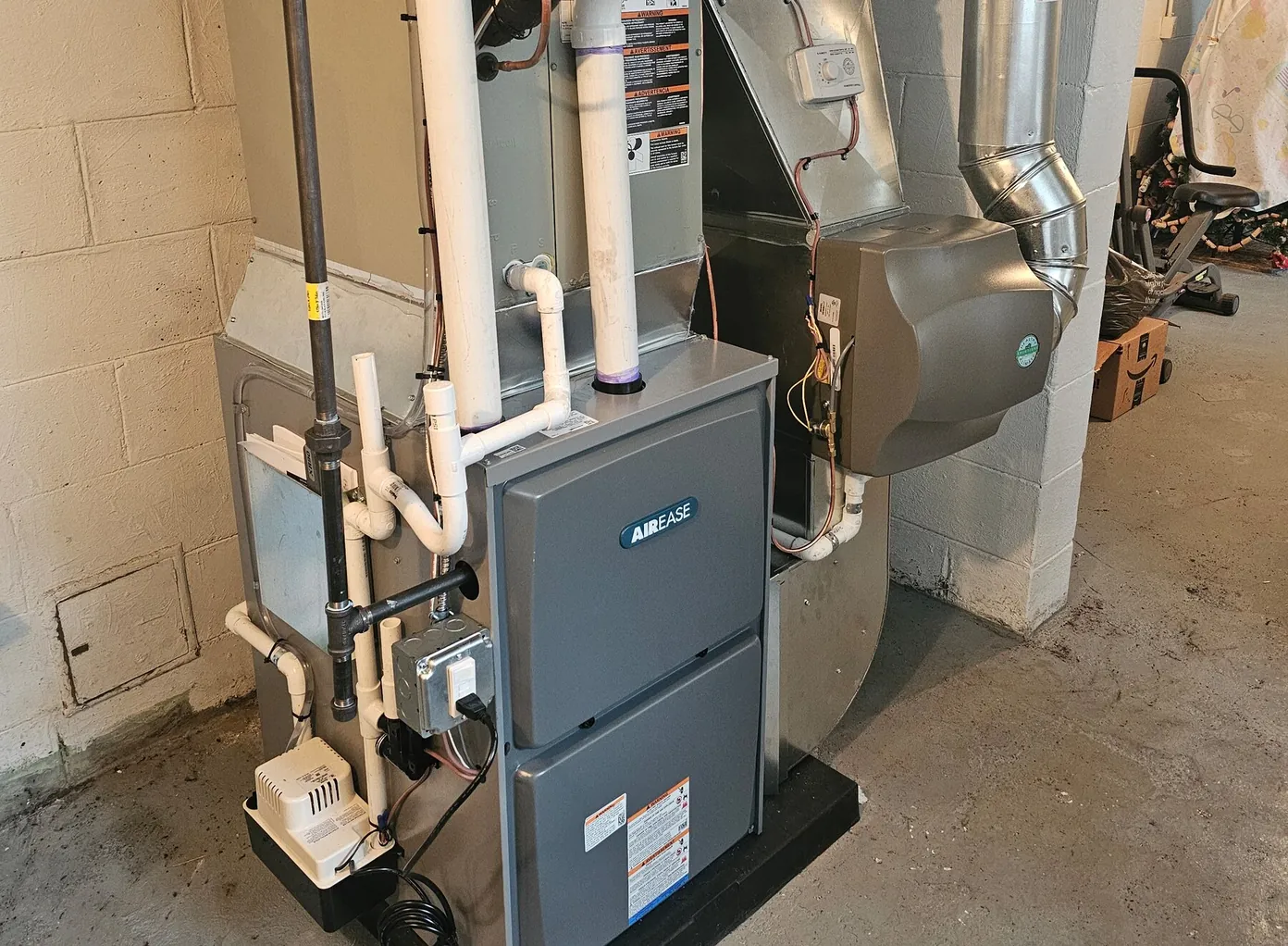
Furnace
Your furnace carries the load through every Michigan winter.
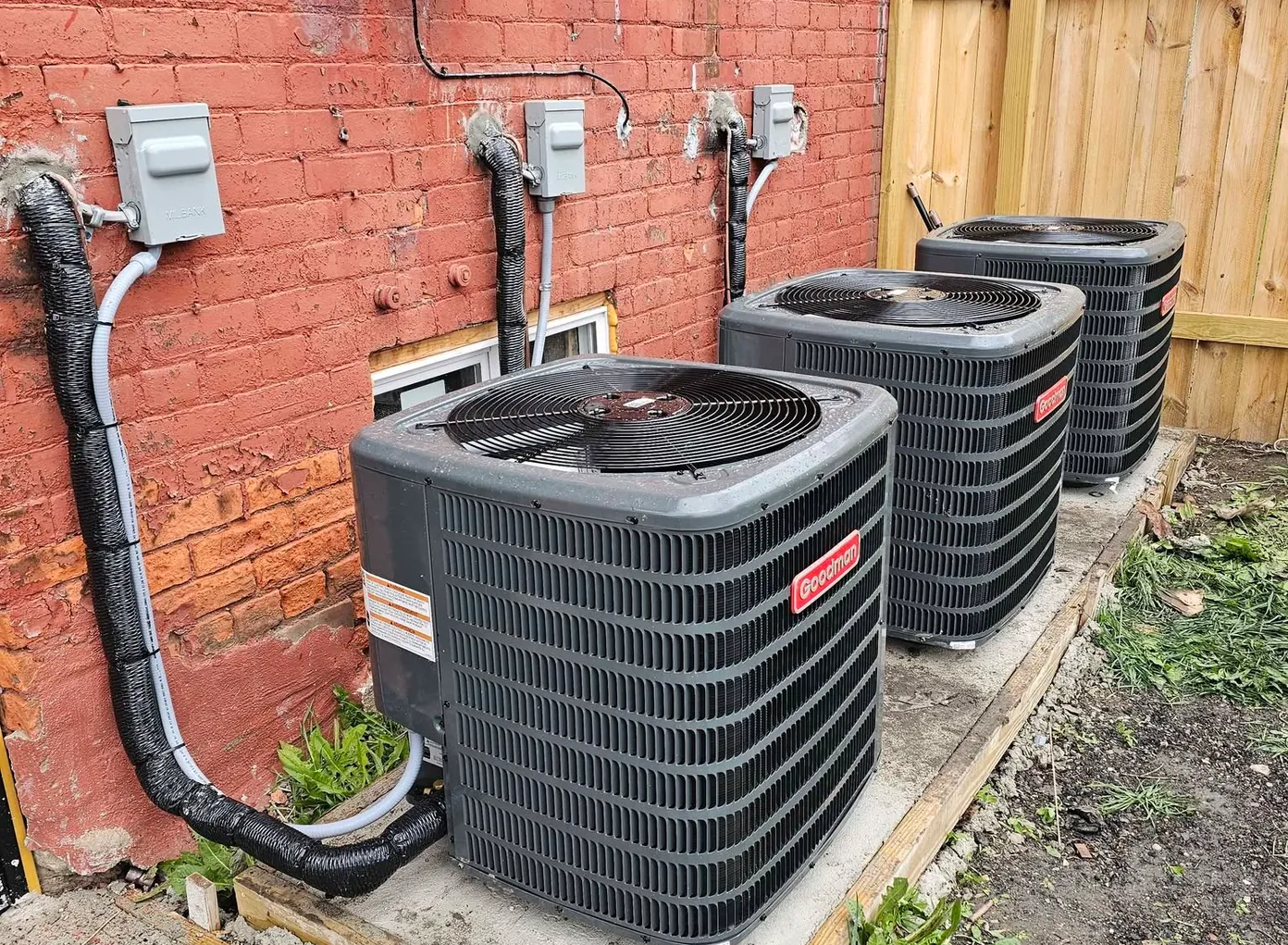
Heat Pump
A ducted heat pump heats and cools your home with one system.
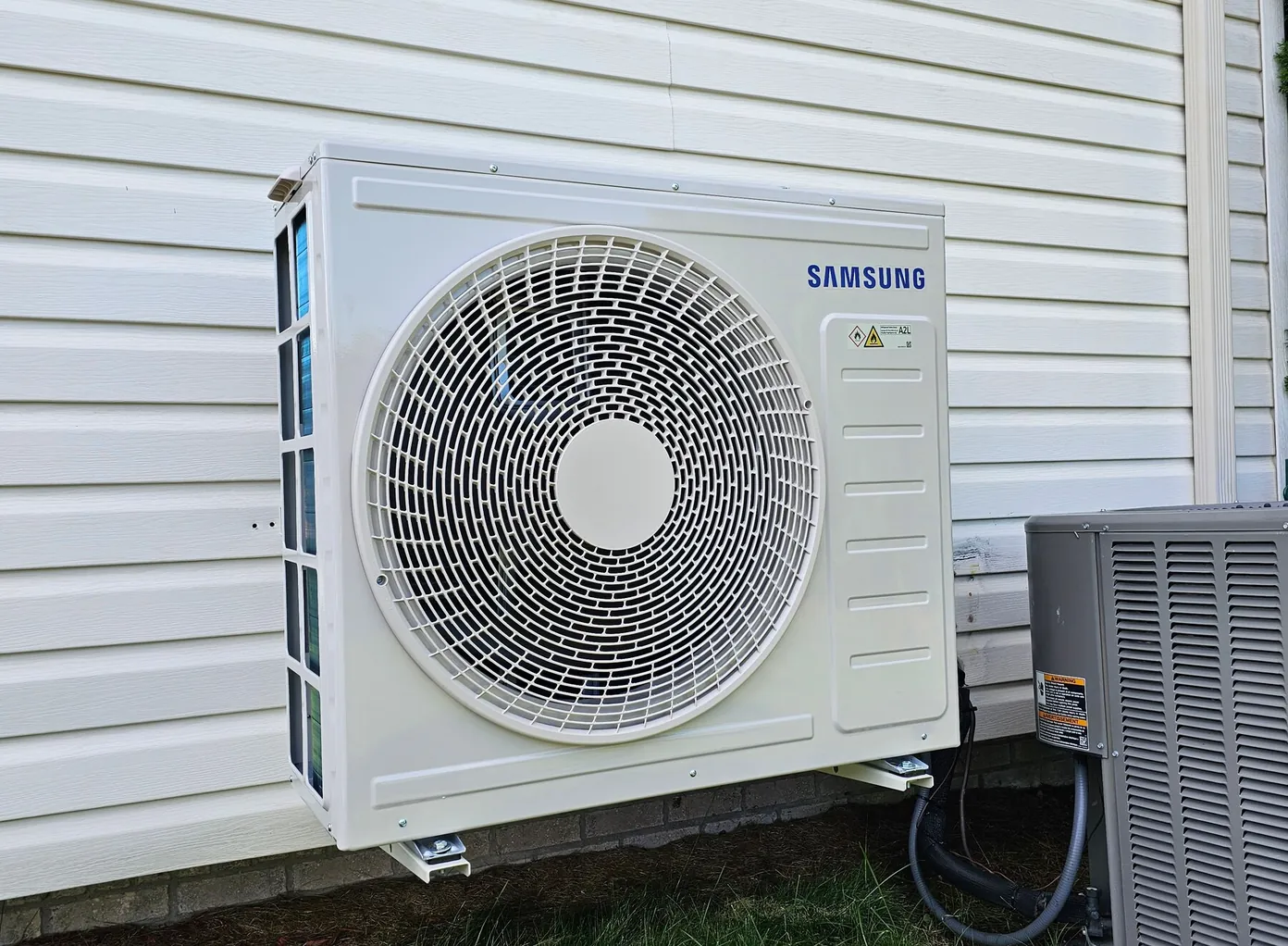
Mini-Split
Targeted comfort for additions and homes without ductwork.
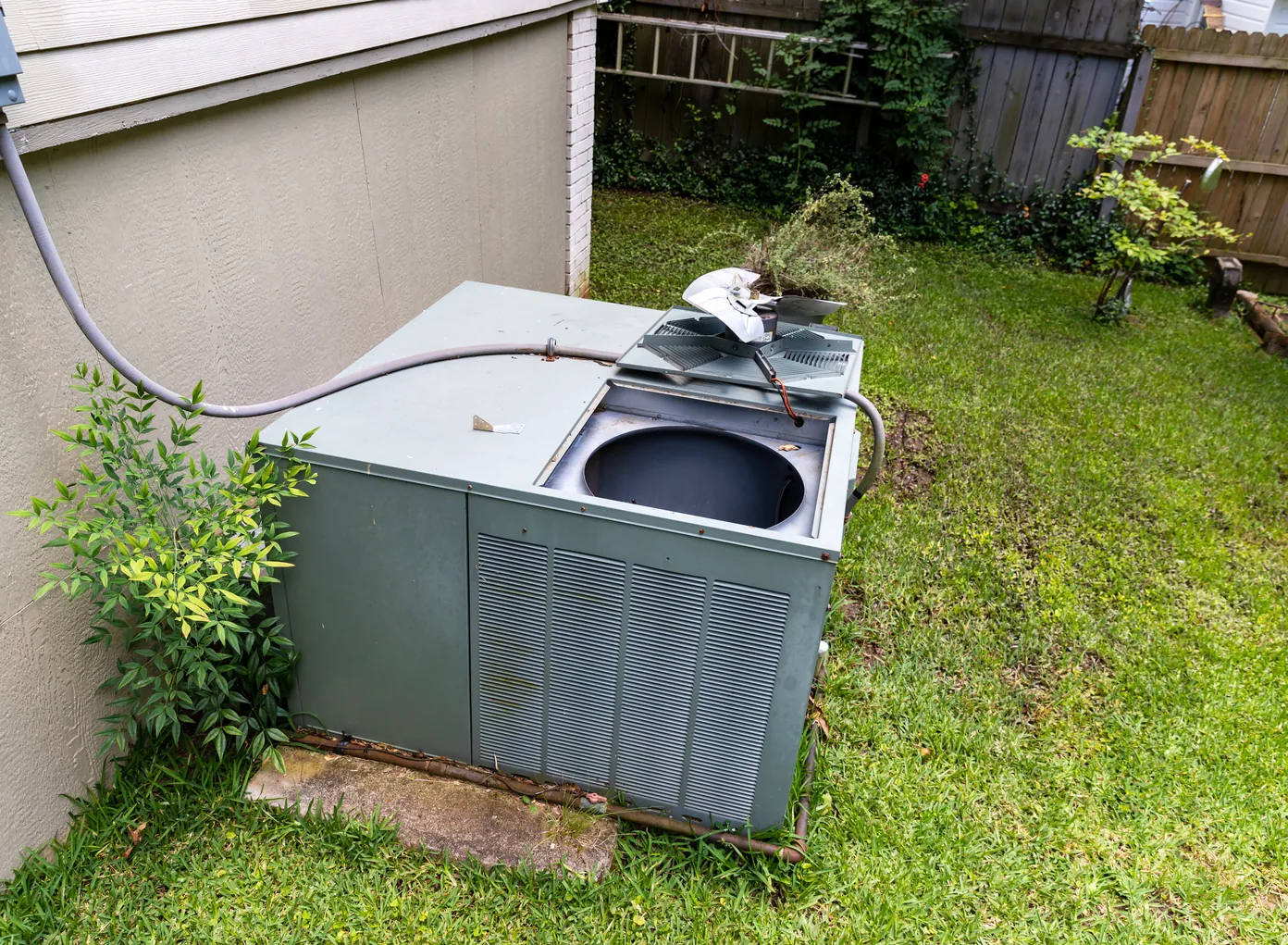
Package Residential
Heating and cooling in a single outdoor cabinet, saving indoor space.
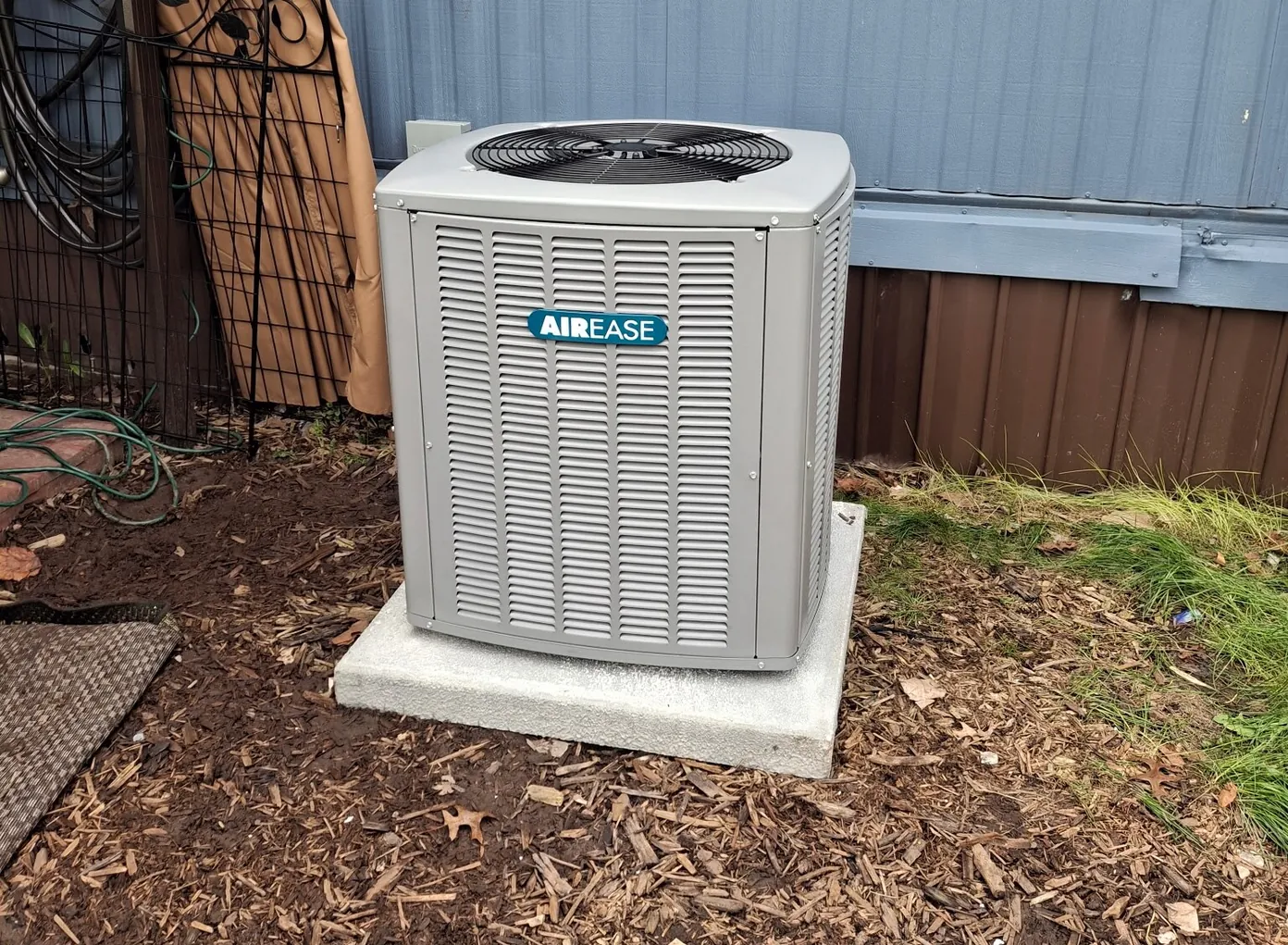
Mobile & Modular Homes
Heating, air conditioning, heat pumps, and water heating.
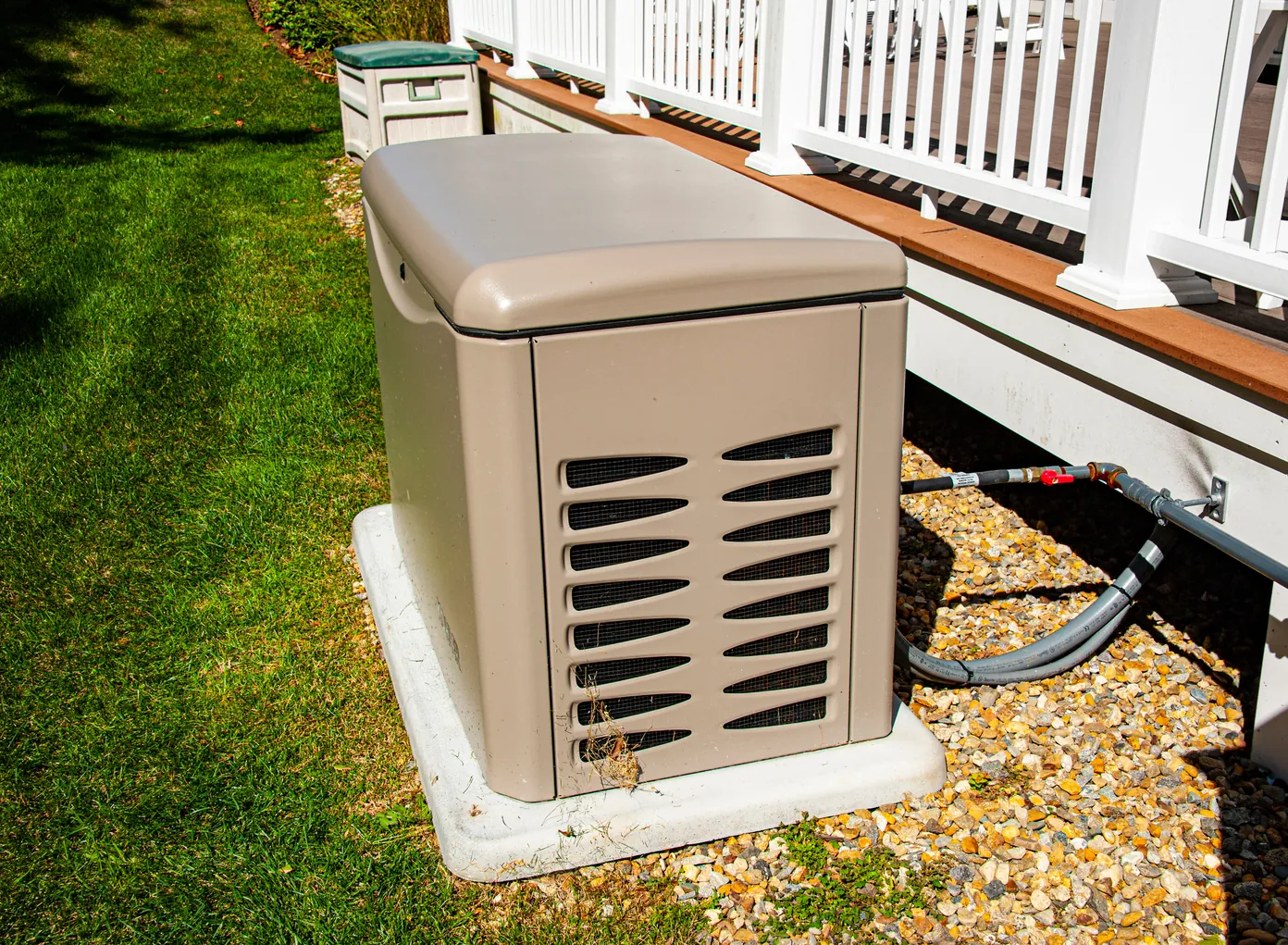
Whole-Home Generators
A Generac generator keeps your heat and lights running during an outage.
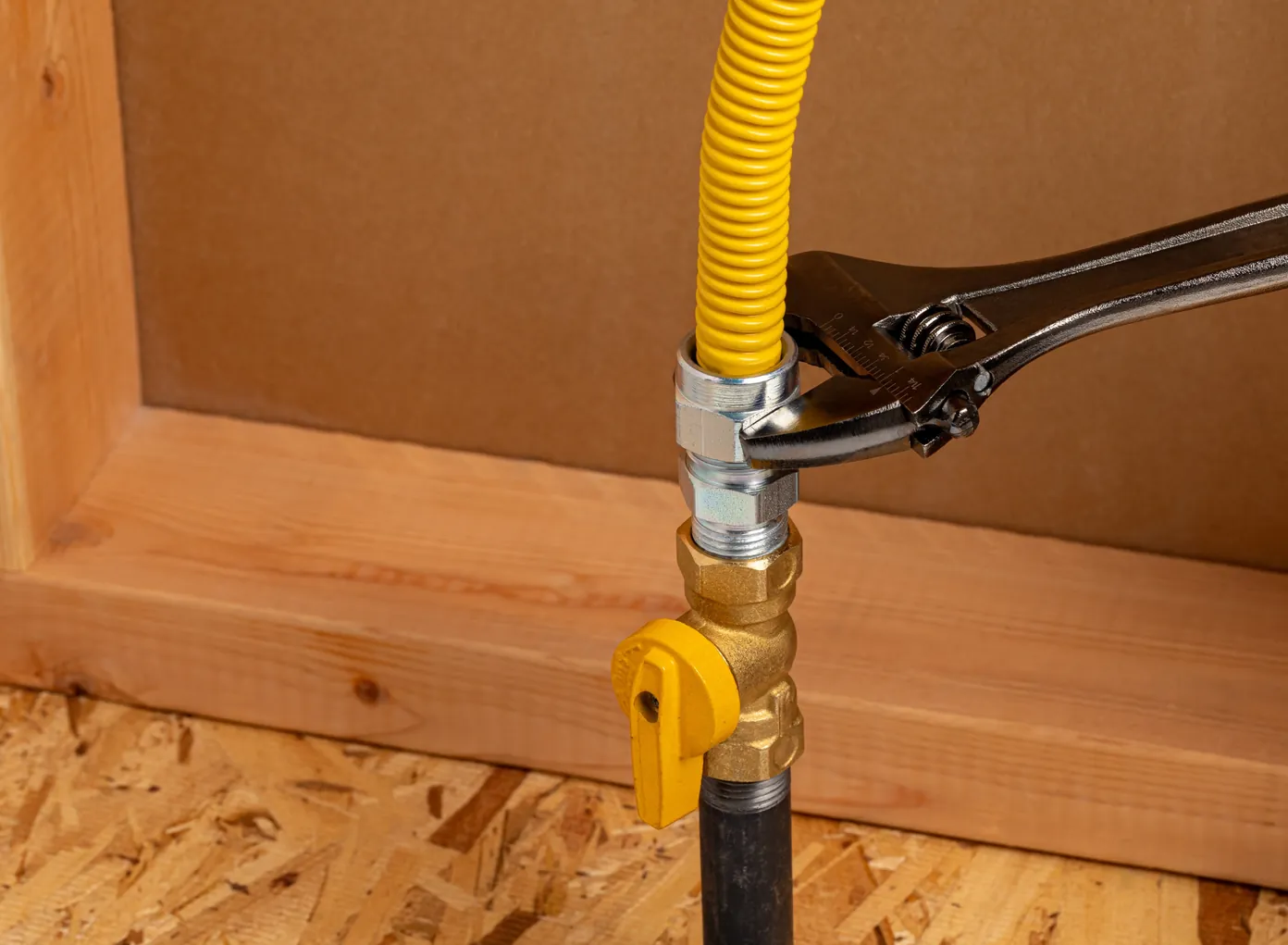
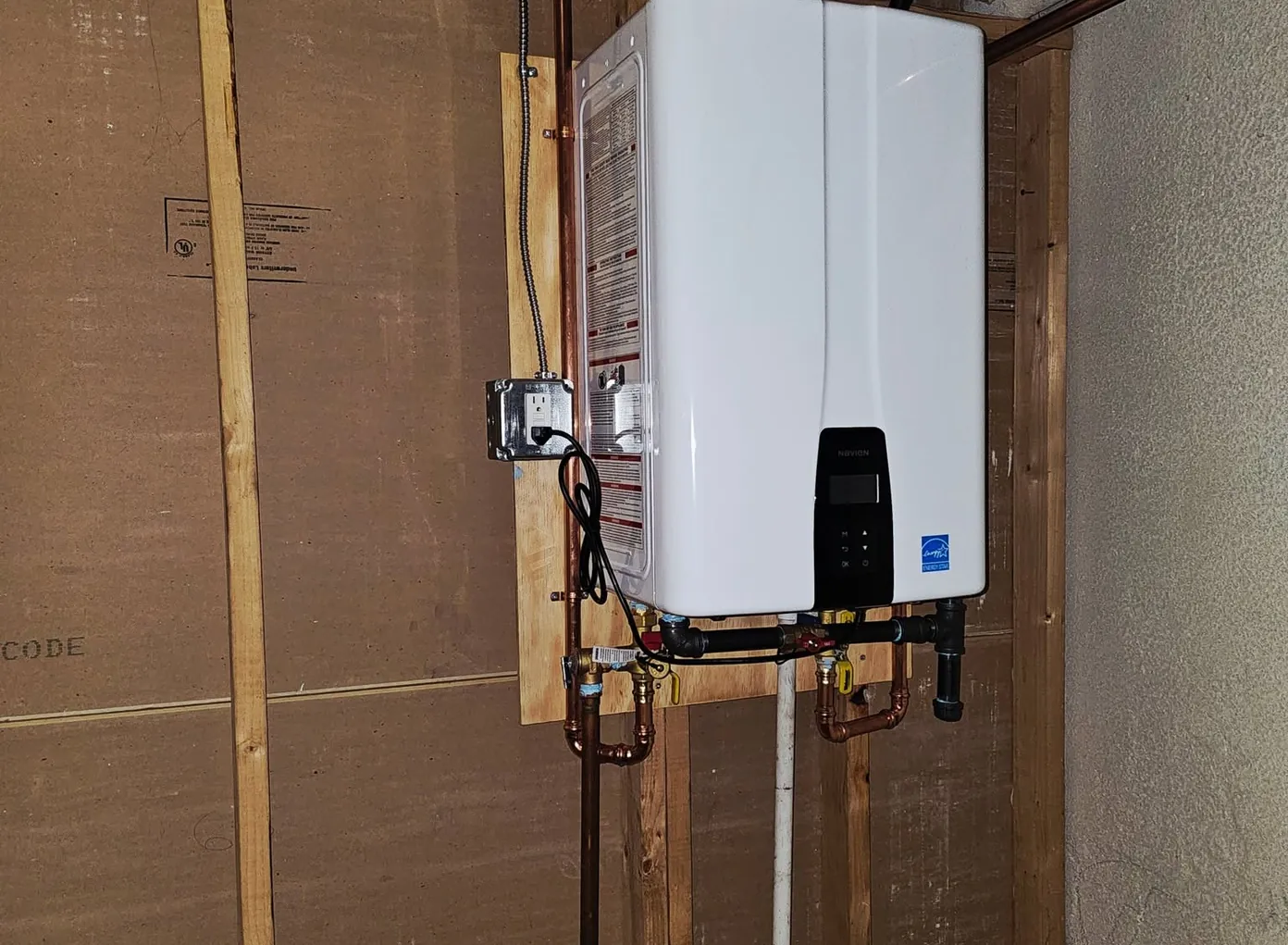
Tankless Water Heaters
Navien tankless water heaters that heat water on demand.
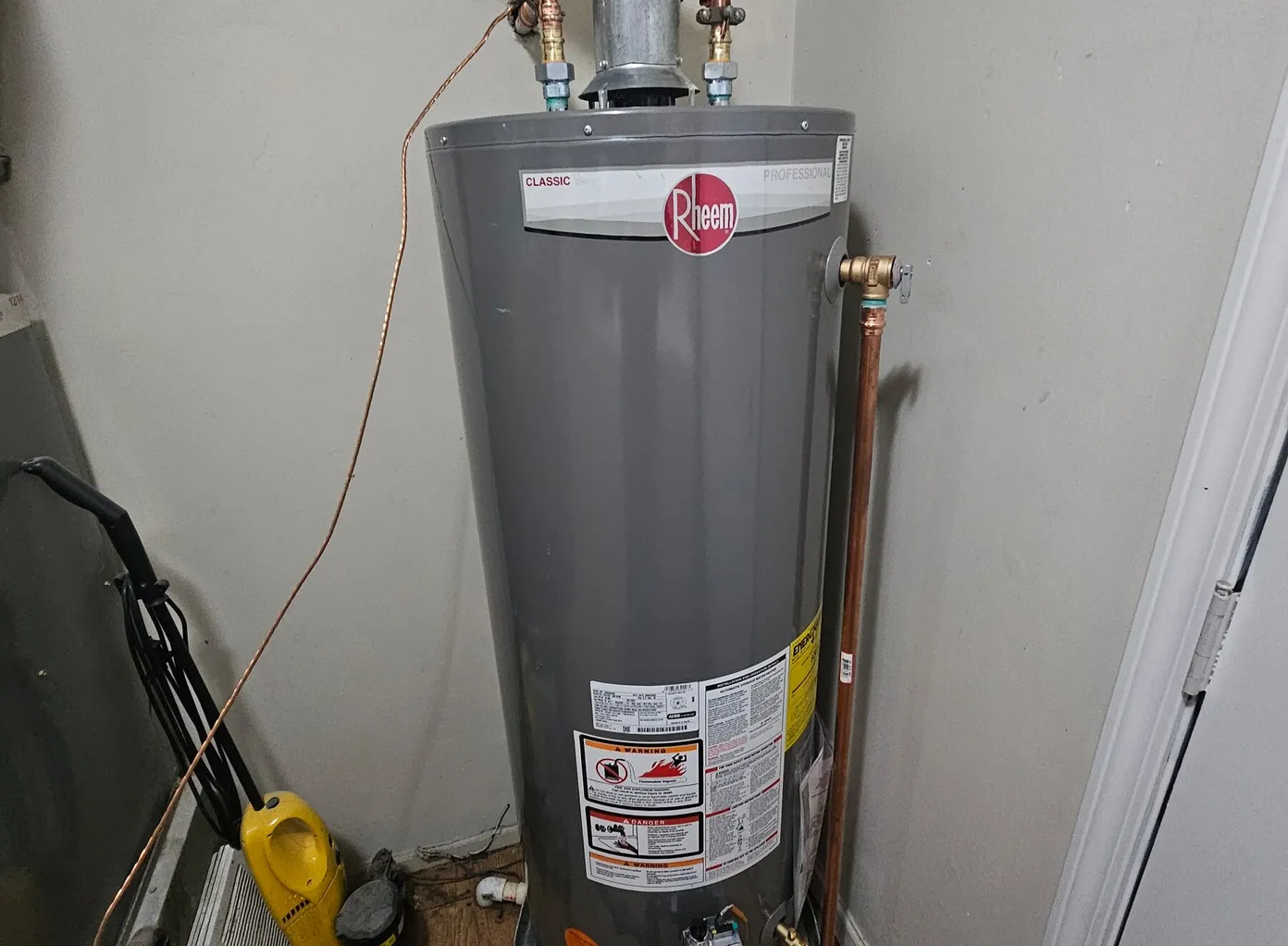
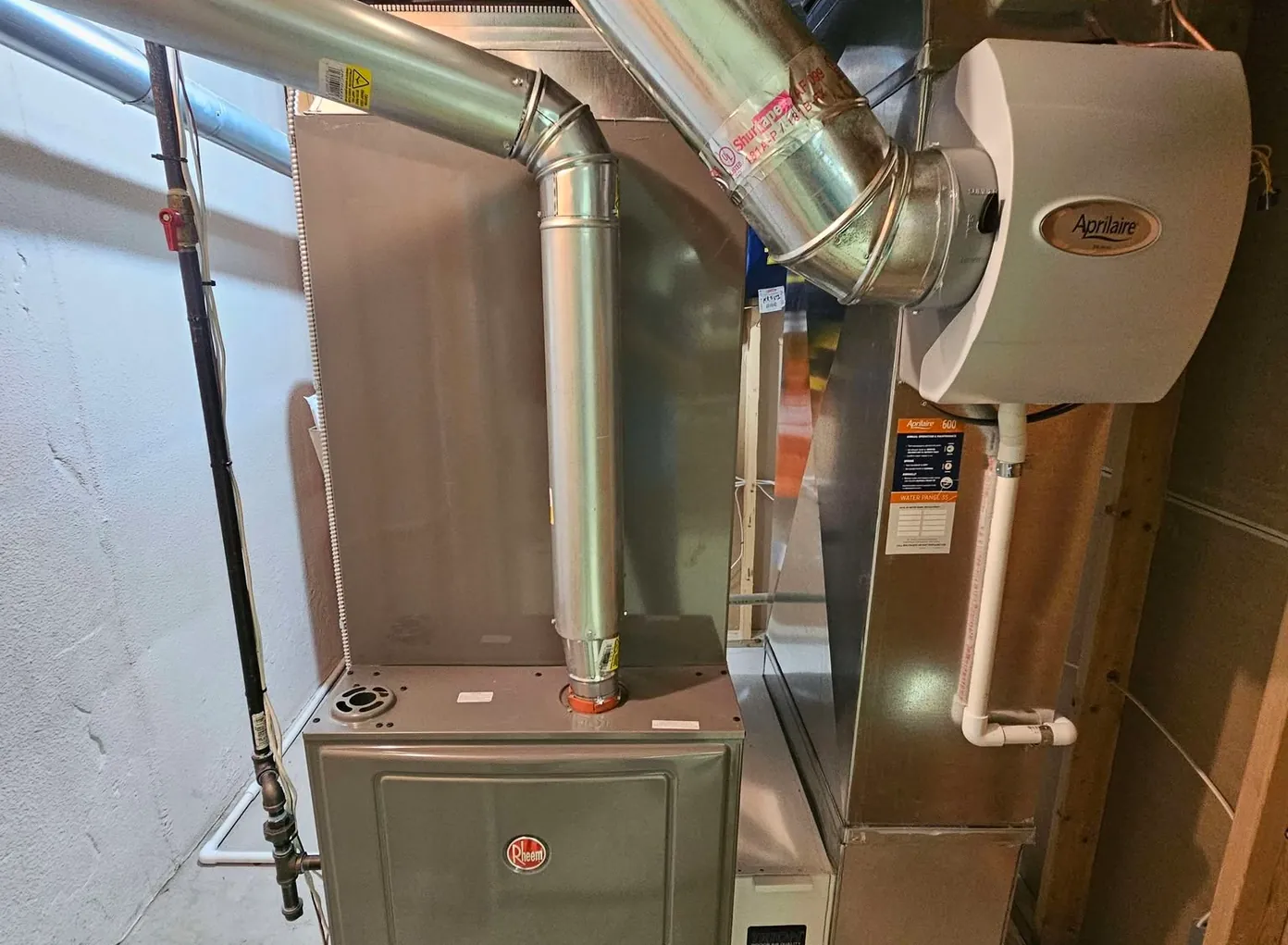
Indoor Air Quality
Filtration, air purification, ventilation, UV treatment, and humidity control.

Customer Reviews
Read Reviews on Google (opens in a new tab)What Our Customers Say
Our neighbors' feedback means everything to us. Read what homeowners across the area have to say about working with Degree Heating and Cooling.
Service Towns
Rooftop Repair Coverage Around Lenox, MI
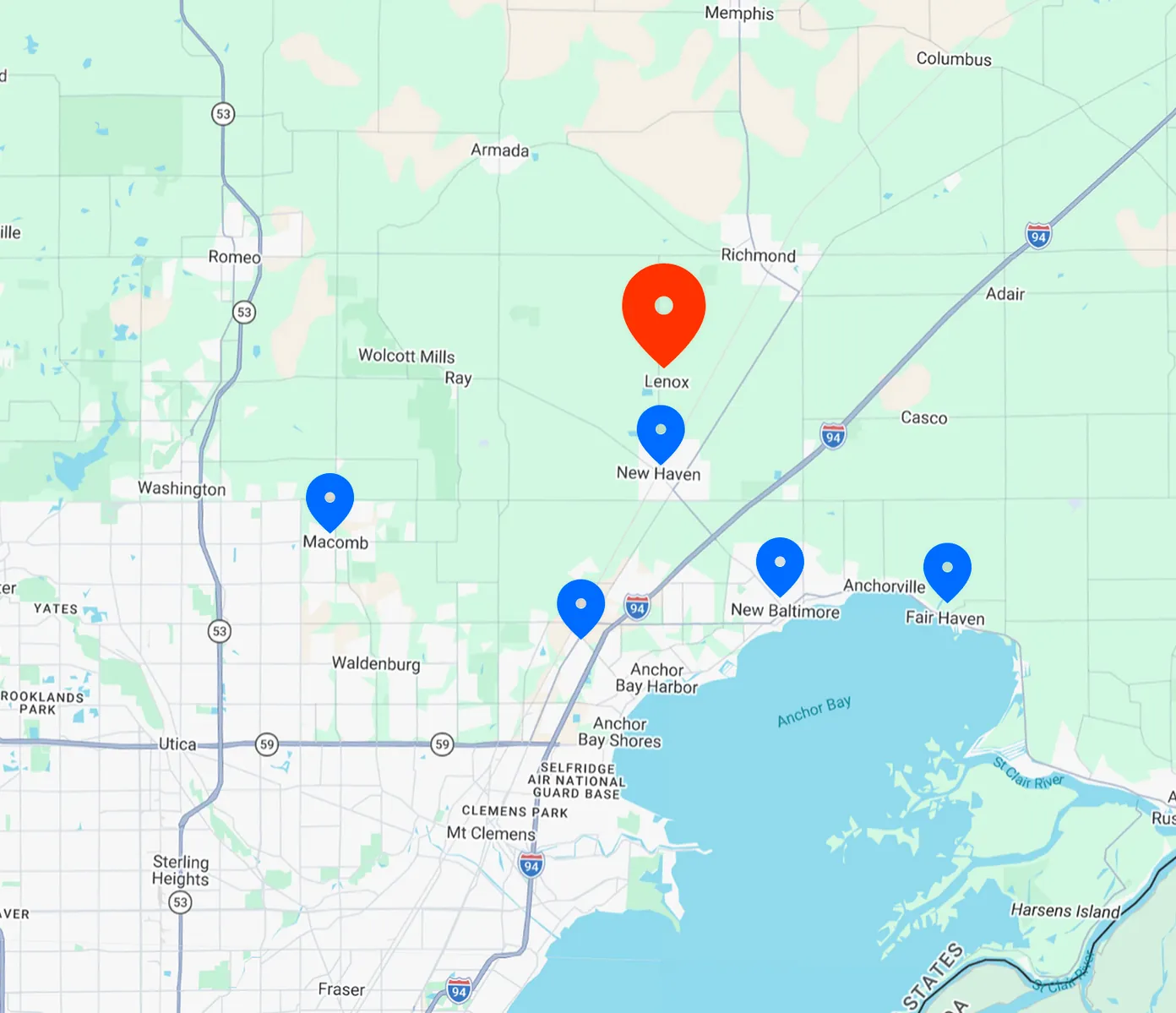
We are based in Lenox and repair and maintain rooftop units for building owners in the communities below. Our service area overview explains how we cover the region, and each community has its own local page. If your building sits outside these towns, contact our team and we will tell you honestly whether we can help.
Don't See Your Location?
Don't see your town listed? We also help homeowners in neighboring communities around Lenox. Give us a call and we'll let you know if we can reach you.
- Honest, Transparent Service
- BBB Accredited
- Locally Owned & Operated
- AirEase & Samsung Systems
- Flexible HVAC Financing
Next Steps
Your Lenox Rooftop Repair Company
A rooftop unit works hard through every season, so the company you choose for its repairs matters as much as the diagnosis itself. We want building owners to understand each finding before anything changes, whether the unit is struggling in cooling, heating, or both. Our locally owned business and BBB Accreditation shape how we explain each visit, and every recommendation stays tied to readings you can review.
If a repair turns into a larger project, our financing options describe the partners we work with, and each partner sets its own terms and approval. For homes on the same property, our maintenance plan is available for residential equipment, so rooftop service is discussed separately.
Tell us about the building, the unit's tonnage, and the symptoms you are seeing, and our team will confirm the next step with you. We serve Lenox and the communities around it, and we are glad to answer questions before any visit is planned. A clear picture of the problem helps us plan a visit that matches what the unit actually needs.